
INTERNSHIPS
Conservation Internships in Cape Town, South Africa
Explore conservation abroad through wildlife and marine work, biodiversity research, habitat management, environmental education, and the practical work that keeps conservation programs running.
VAC develops your placement around the kind of conservation work you want to understand, the experience you already have, and the projects local organizations are actively working on.
WILDLIFE & MARINE CONSERVATION
Explore work connected to species and ecosystems
FIELDWORK & HABITAT
Experience the practical side of conservation
RESEARCH & DATA
Support monitoring and evidence gathering
EDUCATION & ADVOCACY
See how conservation reaches beyond the field
WHY CAPE TOWN?
Experience conservation where mountain, coast, city and nature meet
Cape Town puts dramatically different natural environments within reach of one city. Mountain landscapes, coastline, protected areas, and urban natural spaces create opportunities to explore conservation from both terrestrial and marine perspectives.
That variety is reflected in the organizations working here. Some focus on wildlife or marine animal care and rehabilitation. Others work on biodiversity, habitat restoration, ecological research, environmental education, advocacy, or public engagement.
A conservation internship in Cape Town can therefore show you not only what is being protected, but the research, physical work, communication, and day-to-day organization required to protect it.
WHAT YOU MAY EXPERIENCE
Explore different sides of conservation
Wildlife & Animal Care
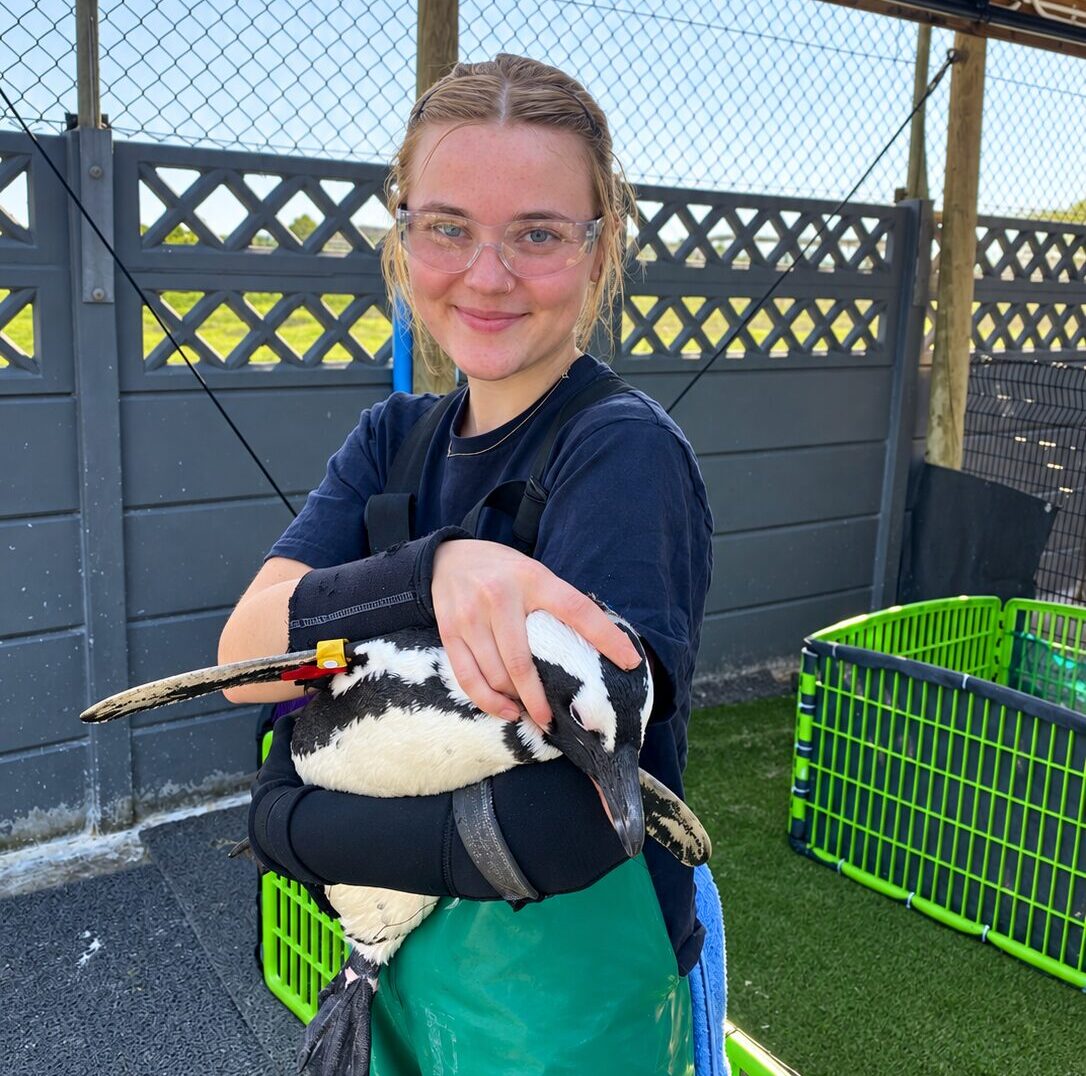
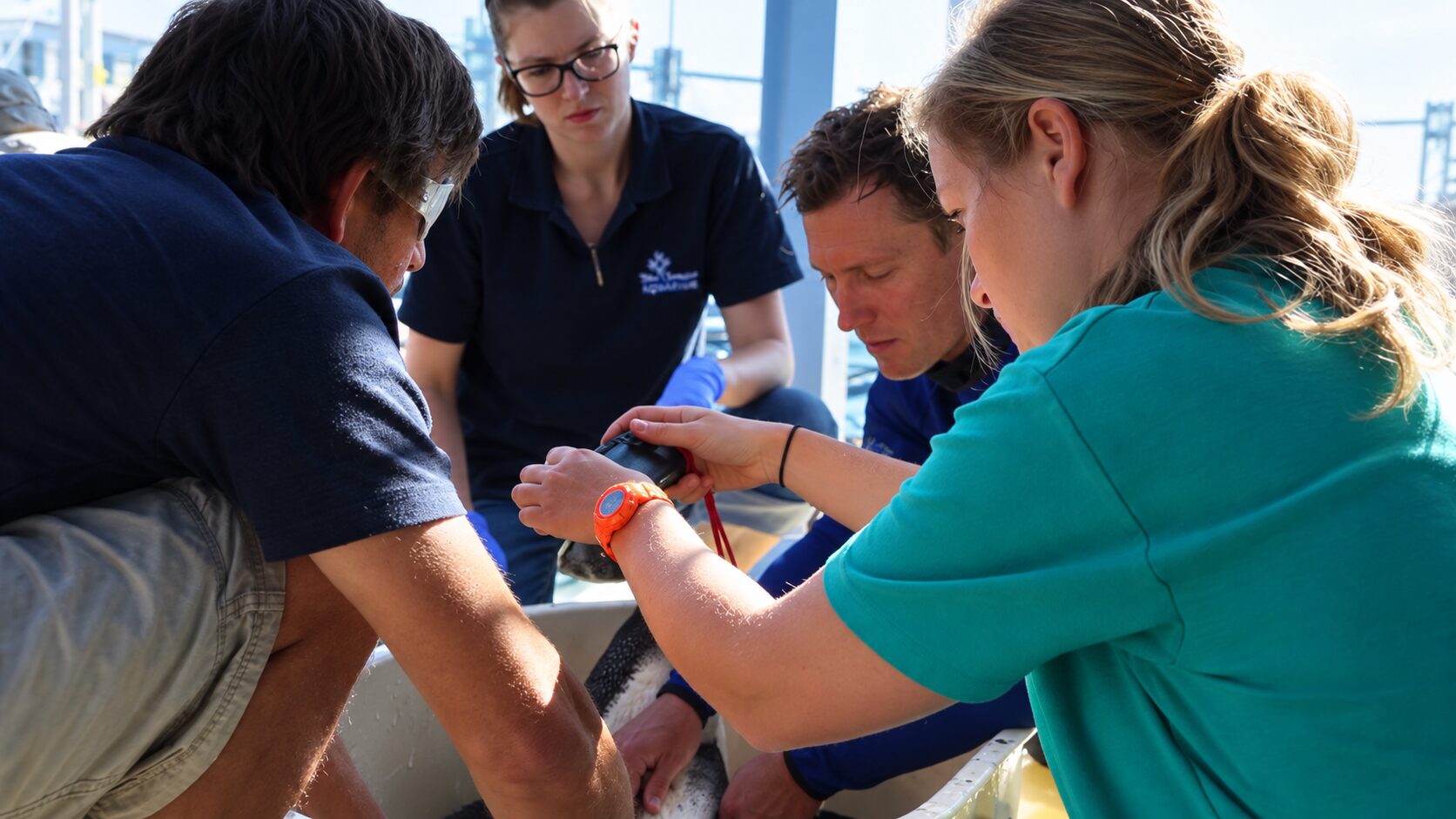
Selected placements may involve organizations caring for or rehabilitating wildlife or marine animals. Depending on the site and its protocols, interns may support routine animal care, food preparation, cleaning, record keeping, monitoring, measurements, or rehabilitation activities.
Marine & Coastal Conservation
Cape Town’s coastal setting creates opportunities to learn about marine ecosystems, marine wildlife, seabirds, and other coastal conservation priorities. Work may involve animal care, rehabilitation, monitoring, research, education, data collection, or the operational tasks that support marine and aquarium-based conservation work.
Biodiversity, Habitats & Protected Areas
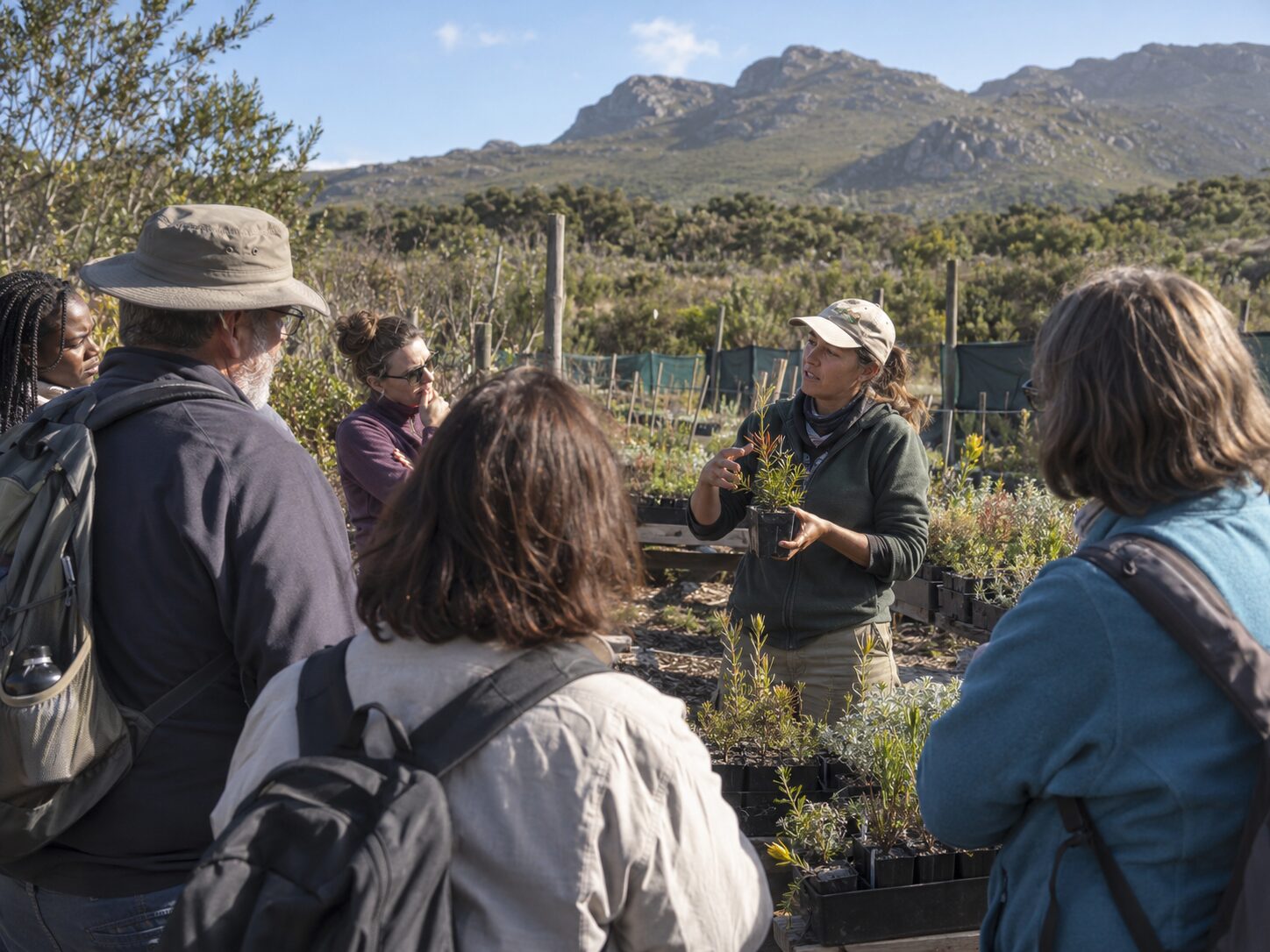
Some internships focus more directly on landscapes and ecosystems. You may encounter habitat restoration, biodiversity monitoring, invasive-species work, reserve maintenance, ecological data collection, or general site support.
Research, Education & Communications
Not every conservation internship takes place outdoors. Organizations also need people who can support research, analyze data, develop environmental-education material, communicate conservation issues, write content, assist with advocacy, or help coordinate programs.
WHAT YOU MAY DO
Contribute to the work behind conservation
Your responsibilities depend on the organization, its current projects, and your background.
Conservation work often combines fieldwork and research with the practical tasks that keep projects running. From preparation and maintenance to record keeping and day-to-day site support.
Support Field & Habitat Work
You may assist with ecological monitoring, biodiversity surveys, habitat or reserve maintenance, invasive-species clearing, site operations, or other practical conservation activities.
Work With Research & Data
Tasks can include collecting species or habitat information, recording observations, capturing and organizing data, supporting research, or helping prepare information for analysis.
Support Education & Programs
You may contribute to environmental education, public engagement, writing, communications, advocacy, program administration, or other work that helps a conservation organization operate and communicate its mission.
WHAT CONSERVATION WORK LOOKS LIKE
There’s more than one way to work in conservation
For one participant, a conservation internship might mean physically active days supporting habitat or reserve work. For another, it may involve animal care or rehabilitation, including the routine work required to support wildlife or marine animals.
Someone else might spend much of the internship researching environmental issues, analyzing information, creating educational material, or helping a conservation organization communicate its work.
Together, these different roles show how much goes into protecting species, habitats, and natural environments.
VAC starts by understanding which part of the field interests you most — wildlife, marine conservation, ecology, fieldwork, research, education, communications, advocacy, or something in between — and then looks for a placement whose current work provides a realistic match.
What about working with animals?
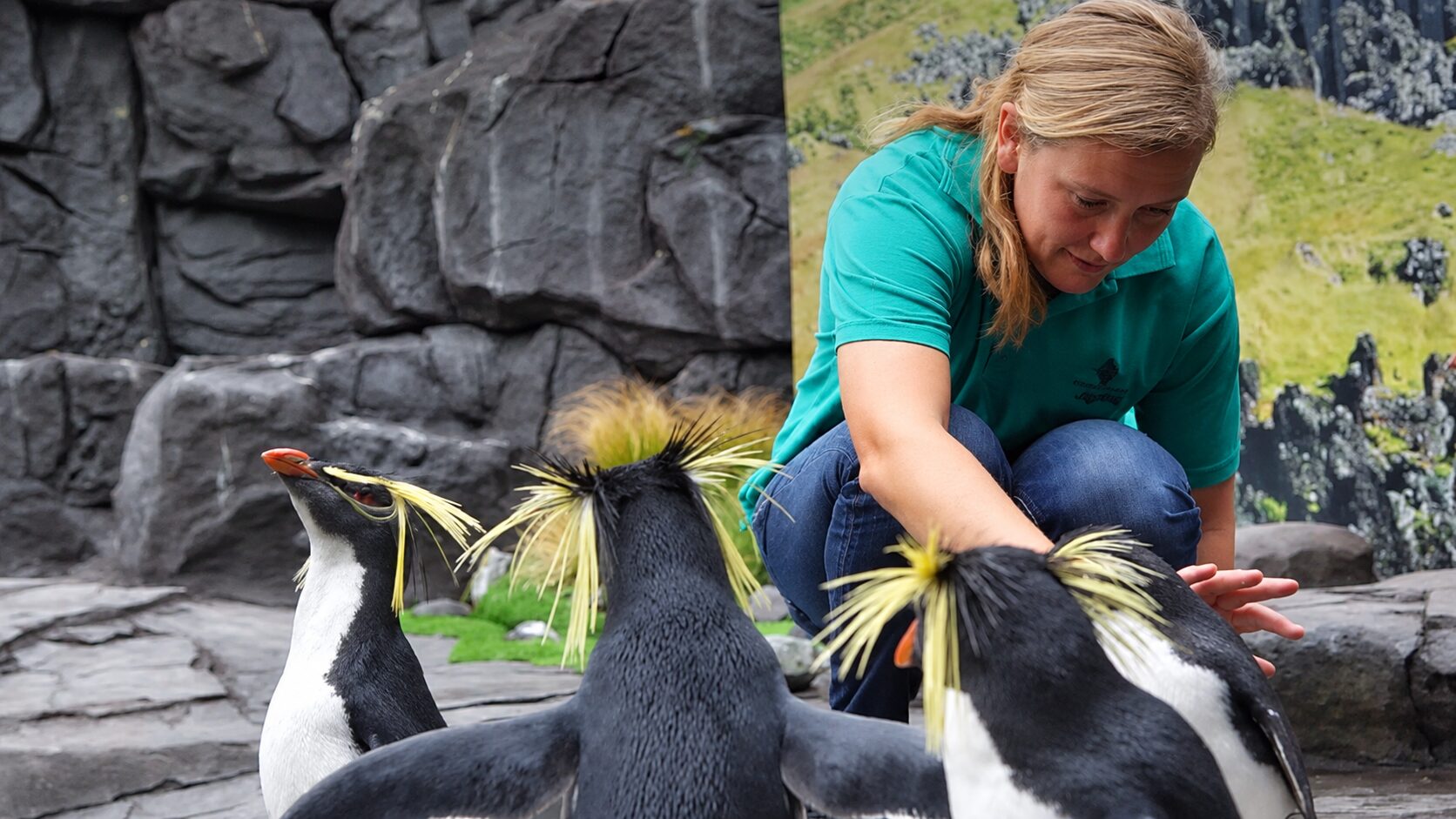
Some wildlife and marine placements can include hands-on animal care or rehabilitation. The experience varies by organization, species, season, and current conservation needs.
The species, amount of contact, and responsibilities depend on the host’s current needs, protocols, and assessment of what is appropriate for each participant.
WHO THIS IS FOR
Conservation experience at different stages
Gap Year Participants
Many Conservation placements can suit motivated Gap Year participants.
Roles involving practical conservation work, environmental education, general program support, reserve activities, or entry-level research assistance may not require previous university study.
University Students
Students studying areas such as Conservation Biology, Ecology, Environmental Science, Marine Biology, Zoology, Biology, or related subjects may be suited to field, research, or data-oriented opportunities.
Students from other backgrounds can also be relevant where their skills match the work — particularly in communications, education, research, or advocacy.
Graduates & Postgraduates
Participants with more developed scientific, research, GIS, data, policy, or communications skills may be matched to organizations where those abilities are relevant to current conservation projects.
The right placement depends on the work available and the match between your skills and the organization’s needs.
WHY VAC FOR CONSERVATION INTERNSHIPS?
Find the side of conservation that fits you
Conservation can lead in many directions. Some participants are drawn to wildlife or marine environments; others are more interested in ecology, habitat work, research, environmental education, communications, or advocacy. We consider your background and the projects local organizations can realistically involve you in before we place you.
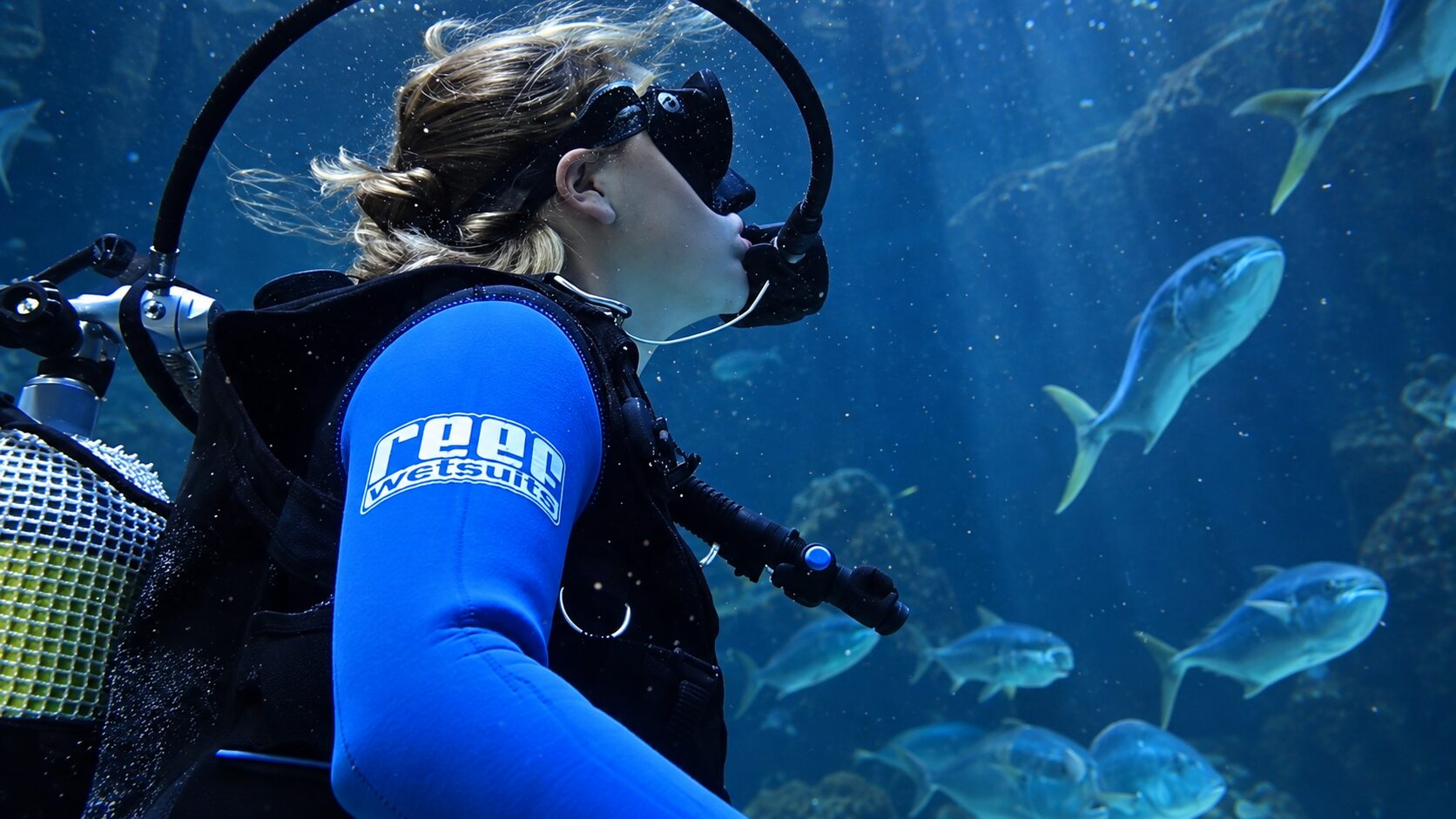
We Look at the whole picture
Wildlife can be one part of conservation. Habitat work, research, education, communications, and operational support can be just as central to how conservation organizations work.
We Develop Placements Locally
Our placement process is based in Cape Town, allowing us to look across different organizations and types of conservation work rather than placing everyone into one predefined role.
We Match to Current Work
Conservation projects change with seasons, research priorities, rehabilitation needs, and organizational capacity. Your placement is developed around work that is genuinely active during your internship.
PLAN YOUR INTERNSHIP
Program options, dates and practical details
STANDARD INTERNSHIP PROGRAM
Flexible participation within VAC’s standard internship program.
GAP YEAR INTERNSHIP PROGRAM
A fixed-date cohort program with one- or two-term options.
PROGRAM HOUSING
Private bedrooms in shared participant housing in Observatory, Cape Town. Housing is arranged separately and is not included in the VAC program fee.
UNPAID INTERNSHIPS
VAC internships are unpaid professional learning experiences rather than paid employment.
WHAT THE PROGRAM INCLUDES
Placement matching, pre-arrival preparation, orientation, airport services, weekly activities and local VAC support.
ACADEMIC CREDIT
Optional academic-credit pathways are available. Credit fees are separate, and transfer is determined by your home institution.
CONSERVATION INTERN STORIES
Hear from past VAC Conservation interns
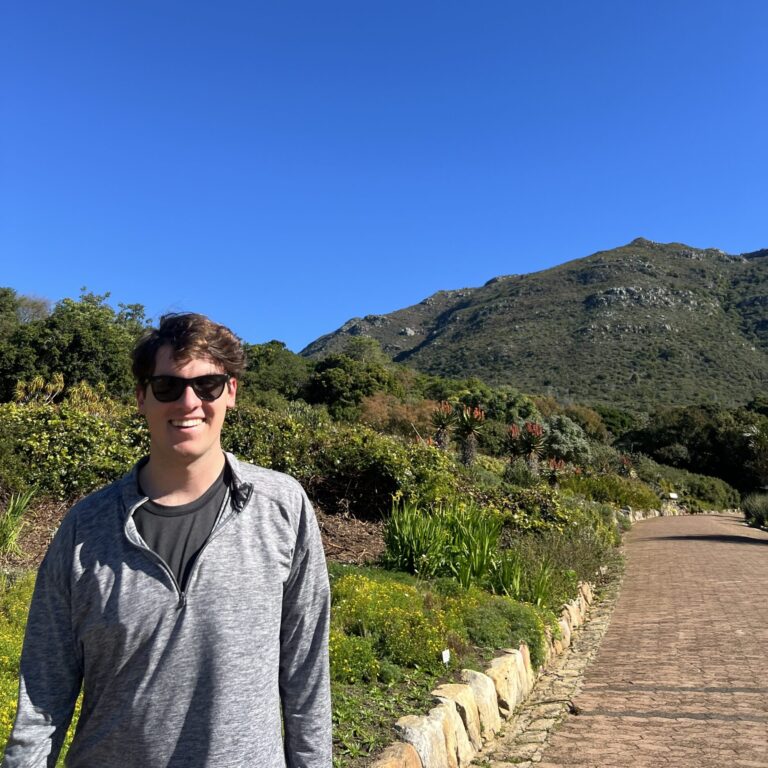
Reid Sperisen
Reid is studying Communications at UCLA. He joined VAC for an eight-week internship in Cape Town, where he completed a media and communications placement with a Western Cape conservation and environmental education nonprofit. His work included writing blog posts, press releases and…
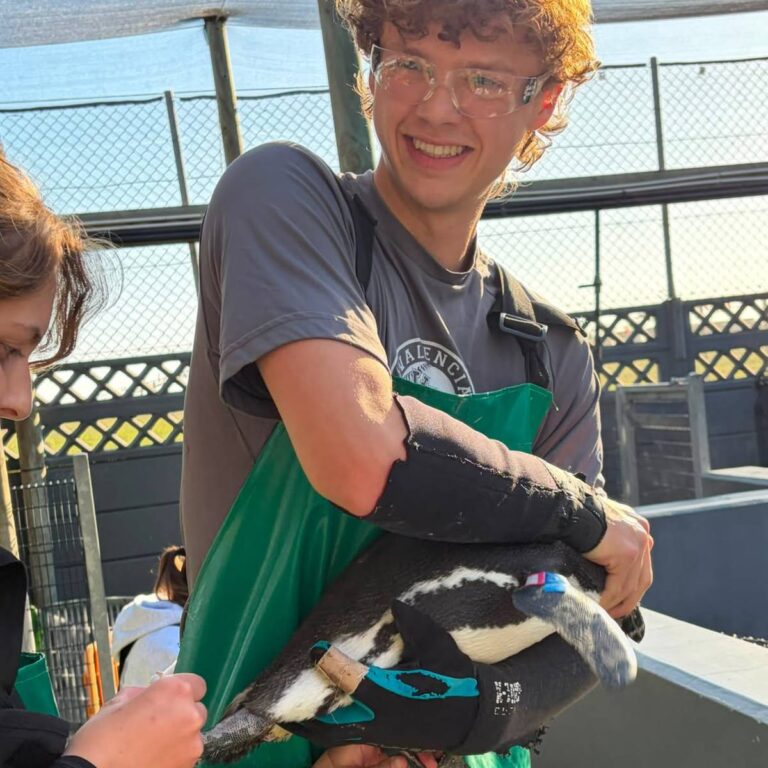
William Verlaque
Will studies Fisheries, Wildlife, and Conservation Sciences at Oregon State University in the United States. He joined VAC in June 2026 and completed a conservation internship with a South African seabird conservation organization, where he gained hands-on experience caring for and supporting…
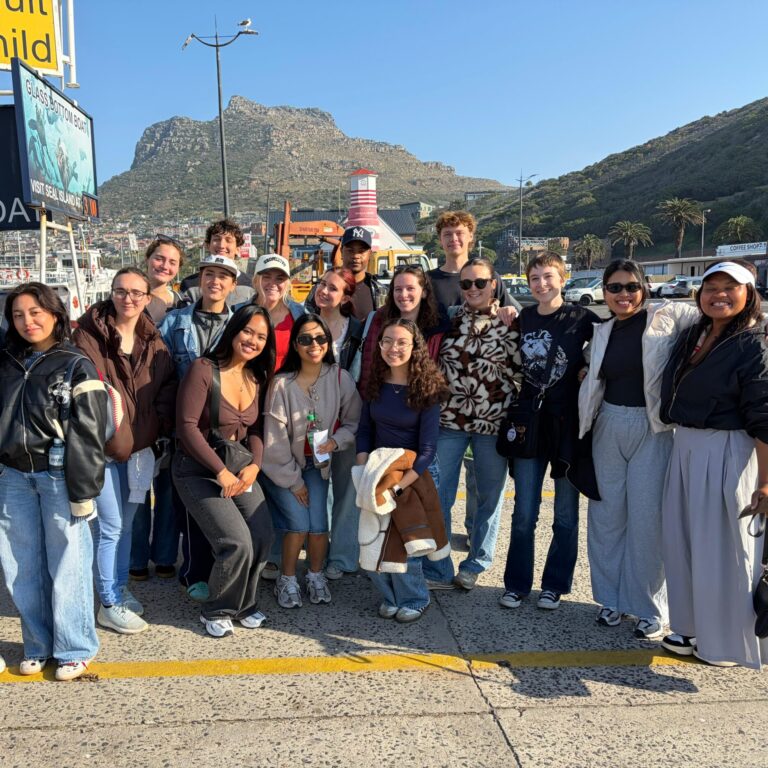
Rachelle T
Rachelle studies Conservation at Oregon State University in the United States. She joined VAC in June 2026 and completed a conservation internship with a South African marine wildlife rehabilitation organization, where she gained hands-on experience caring for and rehabilitating marine birds while…

Phoebe Twichell
Phoebe joined the VACorps program in January 2026 as part of her gap year. During the program, she completed an internship in environmental science with a local conservation organization in Cape Town that focuses on restoring natural ecosystems and engaging the community…
Mae Madison
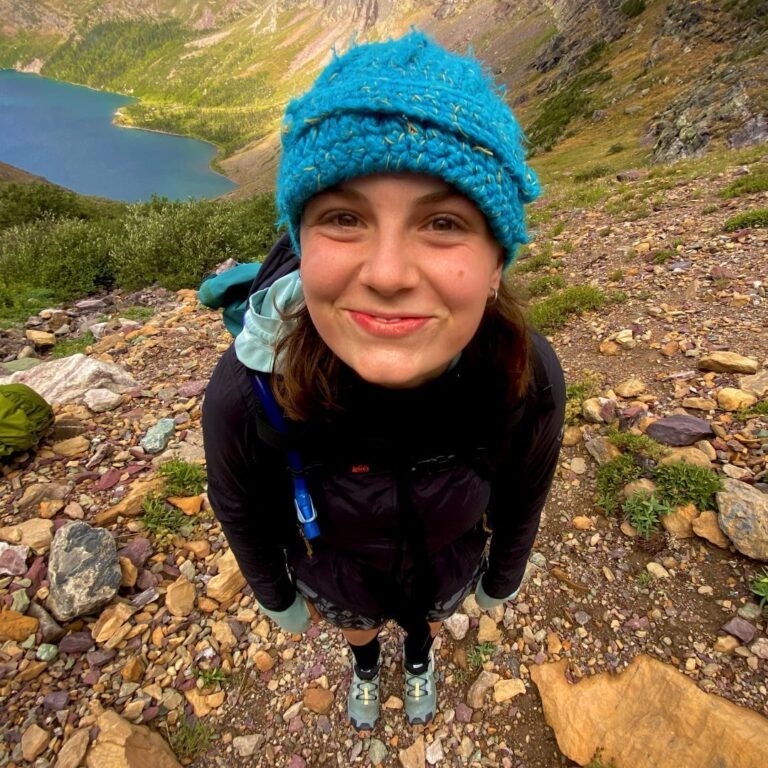
I chose Cape Town as a place to work abroad because of its beautiful landscapes and incredible wildlife. During my time here, I had the opportunity to intern with a local seabird conservation and rehabilitation organization, where I helped care for several…
Lani C
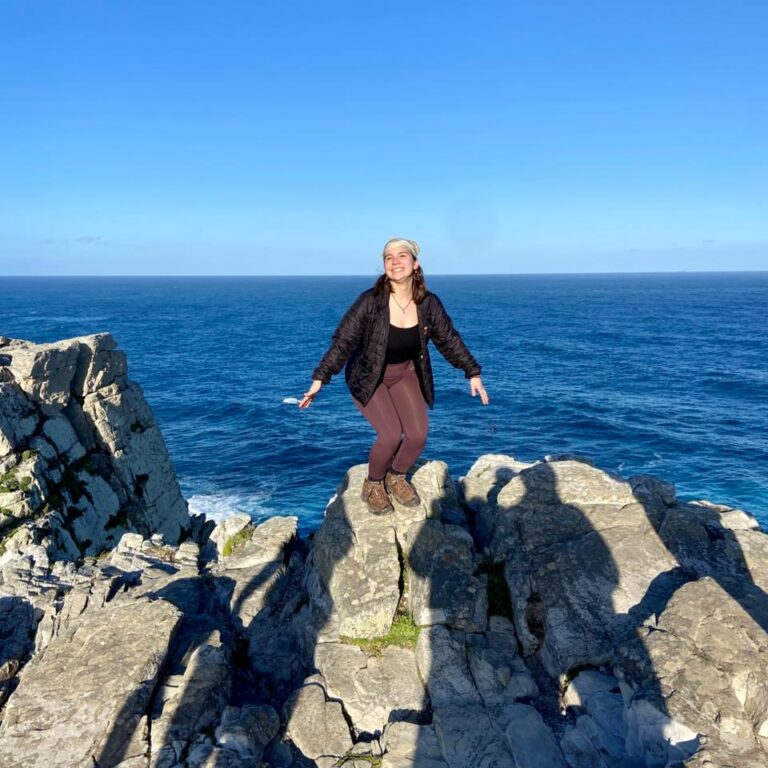
Lani is studying Fisheries, Wildlife, and Conservation Studies. She joined the VACorps program in June 2025 and participated in a conservation internship at a seabird rehabilitation center.
CONSERVATION INTERNSHIP FAQS
Questions about Conservation internships in Cape Town
What kinds of Conservation internships can VAC arrange in Cape Town?
Placements may involve wildlife or marine conservation, animal care or rehabilitation, nature reserves, biodiversity and habitat projects, ecological research, environmental education, advocacy, communications, data, or conservation-program support.
The exact role depends on your interests, background, and the current work of available host organizations.
Will I get to work directly with animals?
Yes, some placements can include direct animal-care or rehabilitation experience. The level of contact varies according to the organization, species, current needs, and the responsibilities appropriate for the role.
Can I do a wildlife conservation internship in Cape Town?
Yes. Wildlife conservation is one of the pathways VAC can explore when developing a Conservation placement.
However, wildlife conservation does not always mean handling animals. Roles may also involve monitoring, habitat work, research, data, education, or general conservation operations.
Can I do a marine conservation internship?
Marine and coastal conservation are established areas within VAC’s broader Conservation field.
Depending on current opportunities, internships may involve marine wildlife, animal care, rehabilitation, coastal ecosystems, research, education, data, or operational support.
What might I actually do during a Conservation internship?
Tasks may include ecological monitoring, biodiversity surveys, data collection, habitat or reserve maintenance, invasive-species work, animal-care support, environmental education, research, communications, advocacy, administration, or general site operations.
Your responsibilities develop around the host organization’s current priorities.
Do I need to study biology or conservation?
No. Many Conservation placements are open to participants from a range of academic backgrounds.
Many Conservation opportunities can suit participants without formal conservation study, particularly practical, educational, communications, or general program-support roles.
More specialized scientific, animal-care, or research work may require relevant knowledge, skills, or previous experience.
Are Conservation internships suitable for Gap Year students?
Yes. Many Conservation placements can be appropriate for motivated Gap Year participants where the host can provide a suitable role.
Prior field experience is not a universal requirement.
What is the difference between Conservation and Sustainability & Clean Energy?
Conservation focuses primarily on species, ecosystems, biodiversity, and habitats.
Sustainability & Clean Energy focuses more broadly on areas such as climate, energy transition, sustainable development, environmental management, and food systems.
Some organizations work across both areas, so VAC classifies the placement according to your main responsibilities and learning goals.
The time is now to explore, connect, and invest in yourself in Cape Town. Let us match you with an experience that counts.
Explore other internships

Biotechnology
Explore biotechnology internships abroad in Cape Town focused on applied R&D, sustainable materials and biotech startups, matched to your background and skills.
Learn more
Business and Finance
Explore business and entrepreneurship internships in Cape Town across startups, business development, operations, market research and growth-focused roles.
Learn more
Clean Energy
Explore clean energy internships in Cape Town focused on energy markets, policy, climate finance, consulting, research, and the clean-energy transition.
Learn more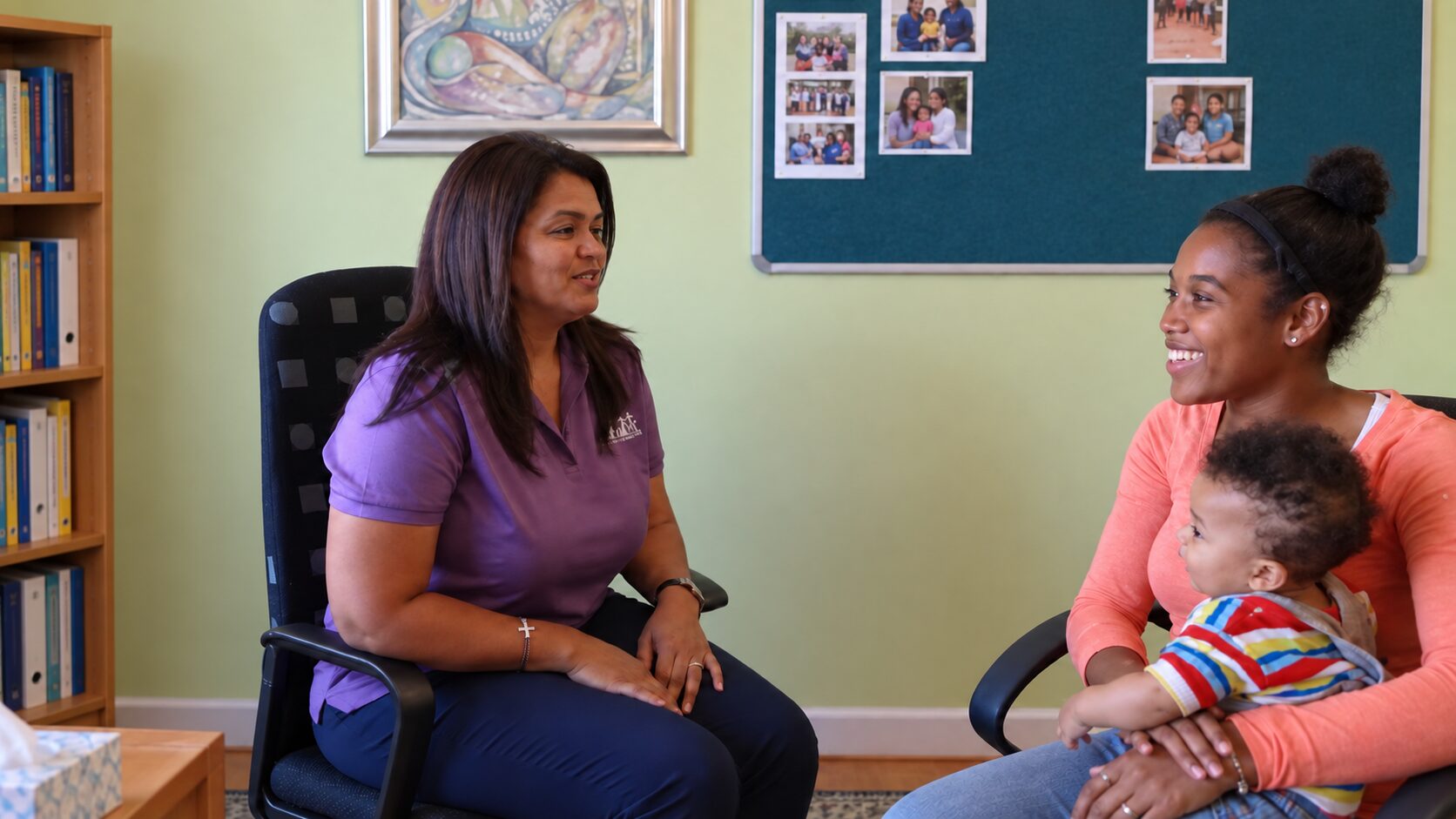
Counseling & Psychology
Explore Counseling & Psychology internships in Cape Town, from community-based mental-health and psychosocial placements to limited postgraduate Clinical Psychology opportunities.
Learn more
Education
Explore teaching and Education internships in Cape Town, South Africa. Gain practical experience in schools, classrooms and education programs with VAC.
Learn more
Engineering
Explore international engineering internships in Cape Town across mechanical, electrical, civil, mechatronics, product development, design, testing, and technical projects.
Learn more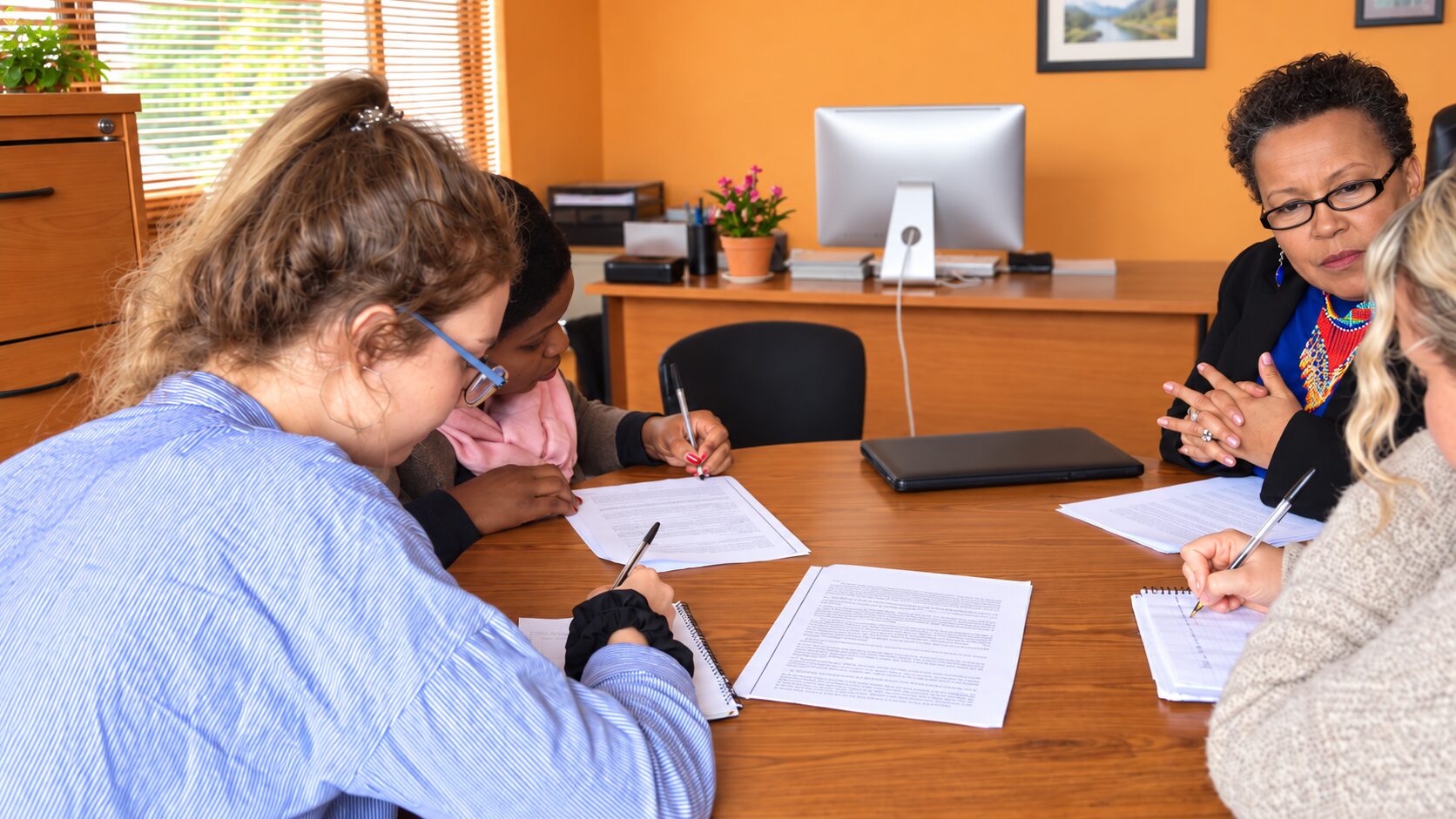
Human Rights & Community Advocacy
Advocate for the vulnerable assisting organizations protecting rights and services for marginalized groups.
Learn more
Journalism
Explore Journalism internships abroad in Cape Town across reporting, radio, broadcast, digital journalism, and editorial work, with placements matched to your experience.
Learn more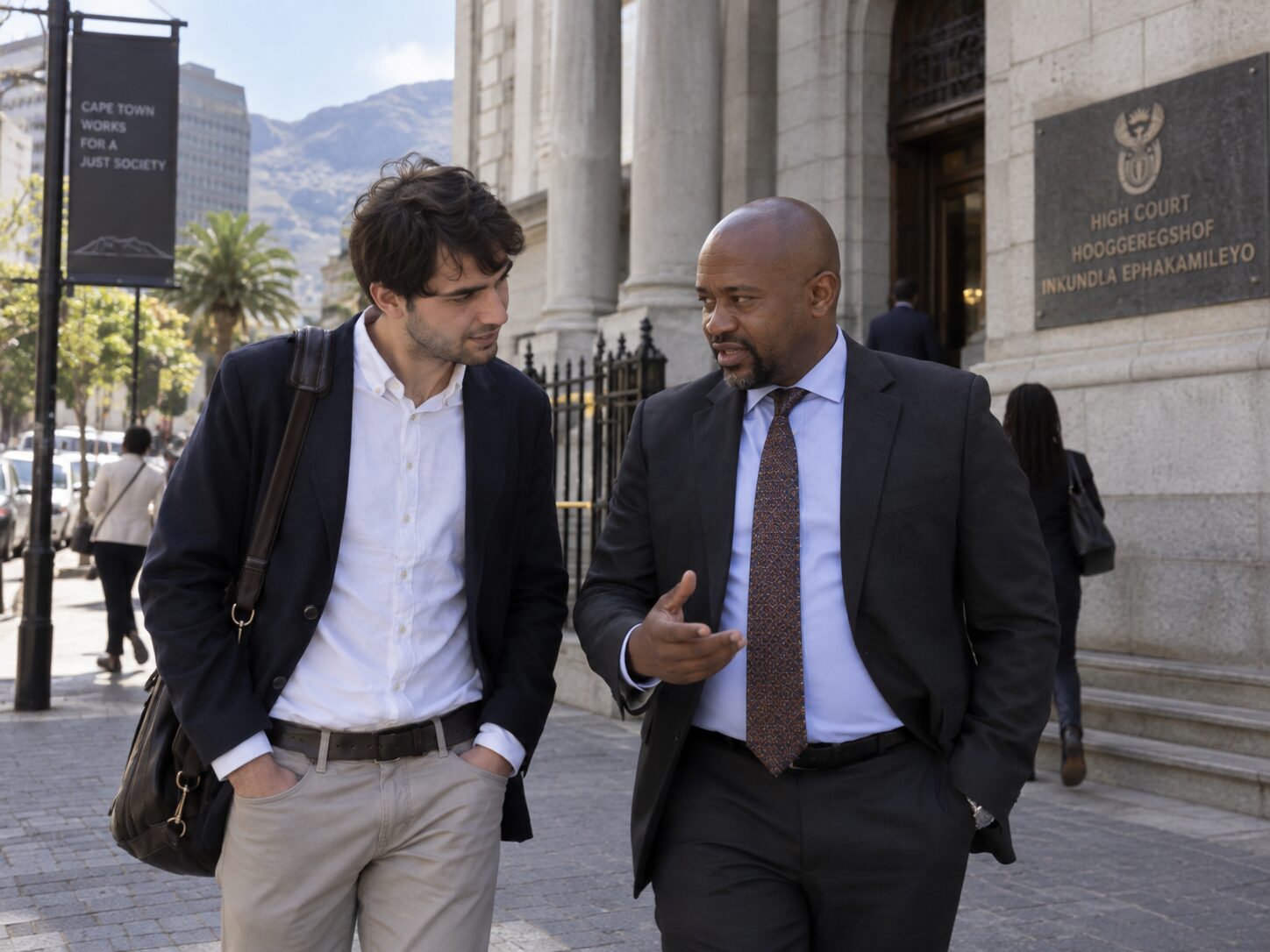
Law
Explore law internships in Cape Town, South Africa, spanning human rights, public-interest, access-to-justice and civil or commercial legal work.
Learn more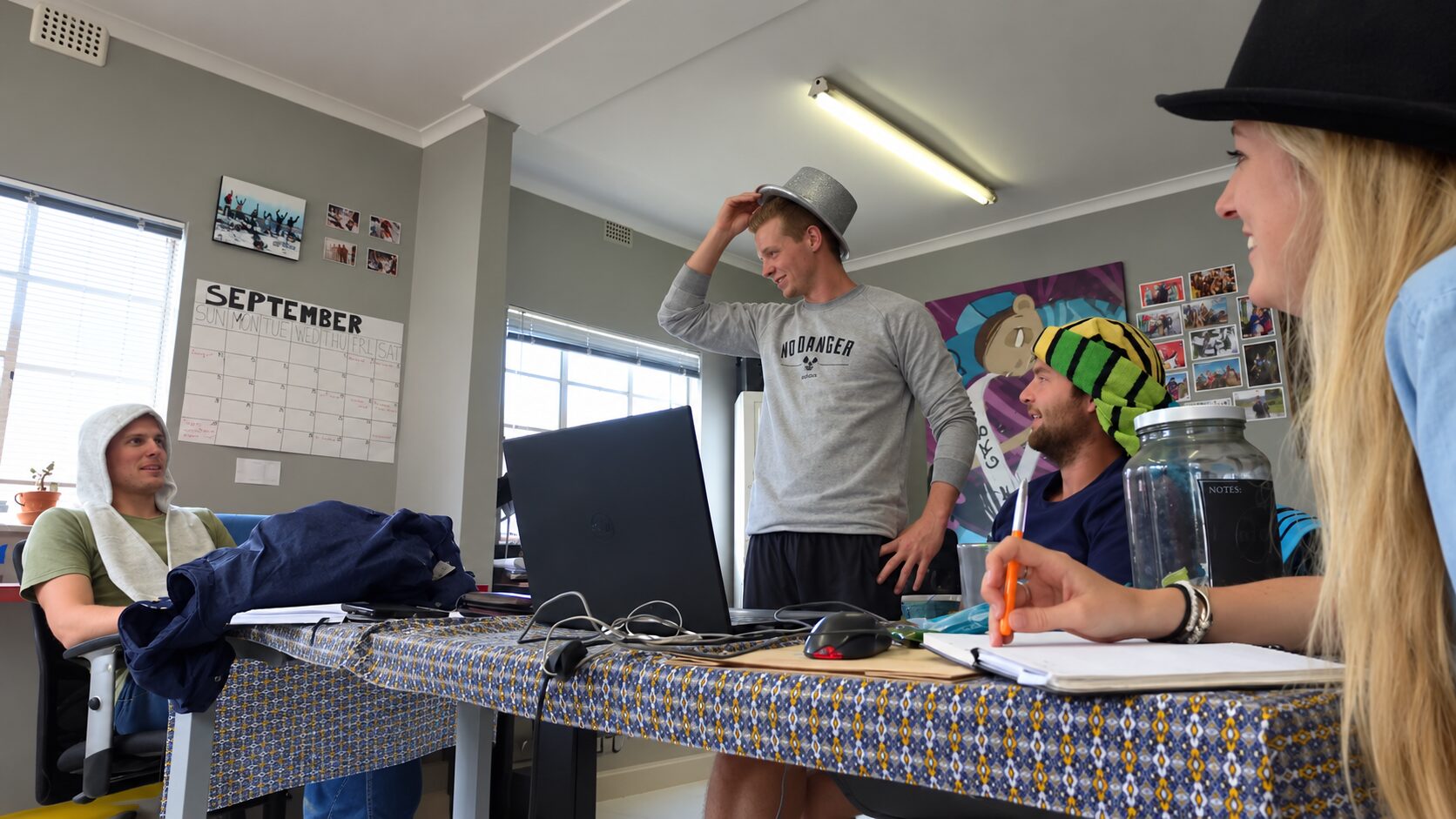
Marketing
Explore marketing internships abroad in Cape Town across digital marketing, communications, PR, social media, content, brand, campaigns, research, and events.
Learn more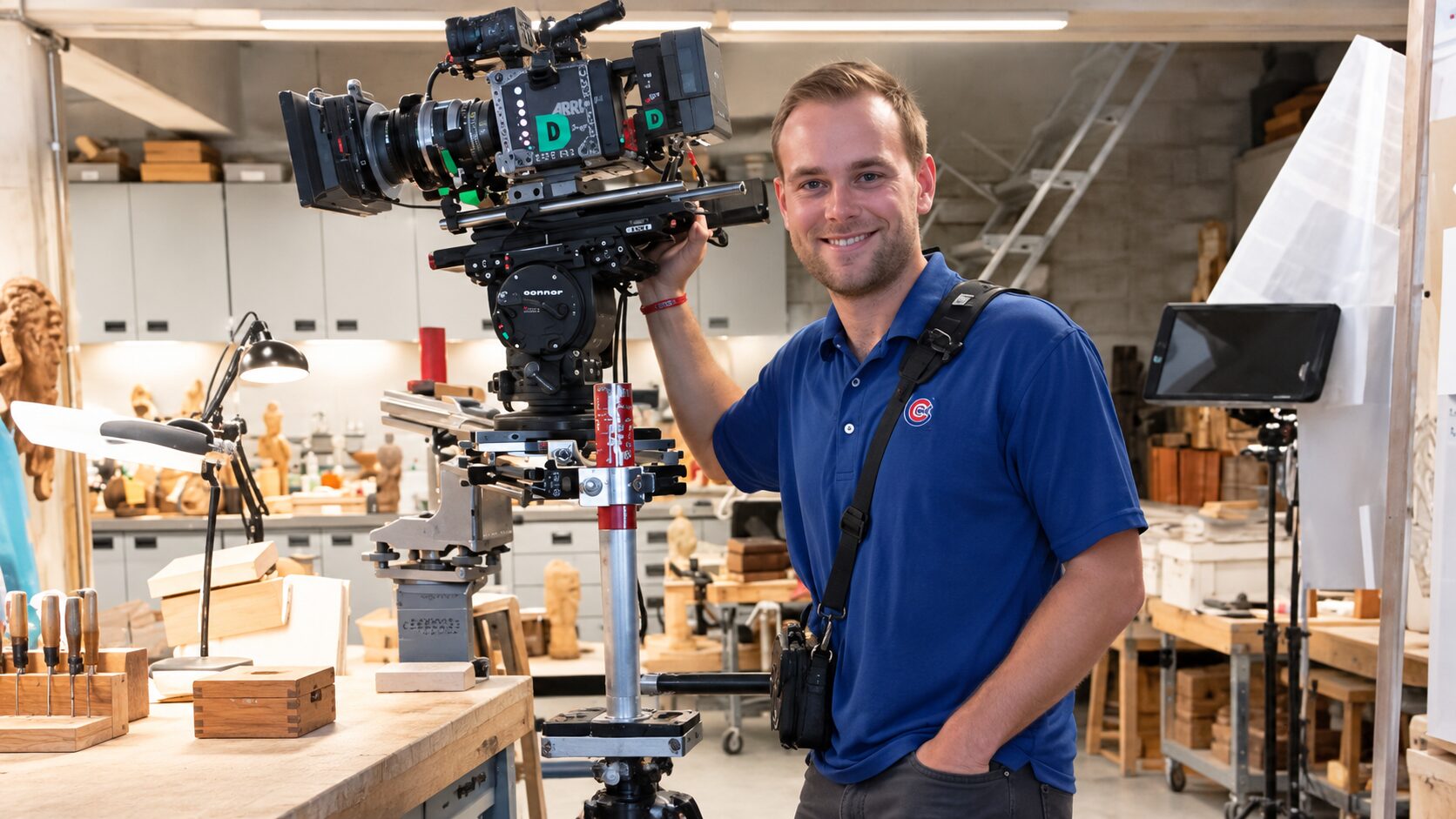
Film & Media
Explore Film & Media internships abroad in Cape Town, with opportunities spanning production, editing, post-production, community media and digital storytelling.
Learn more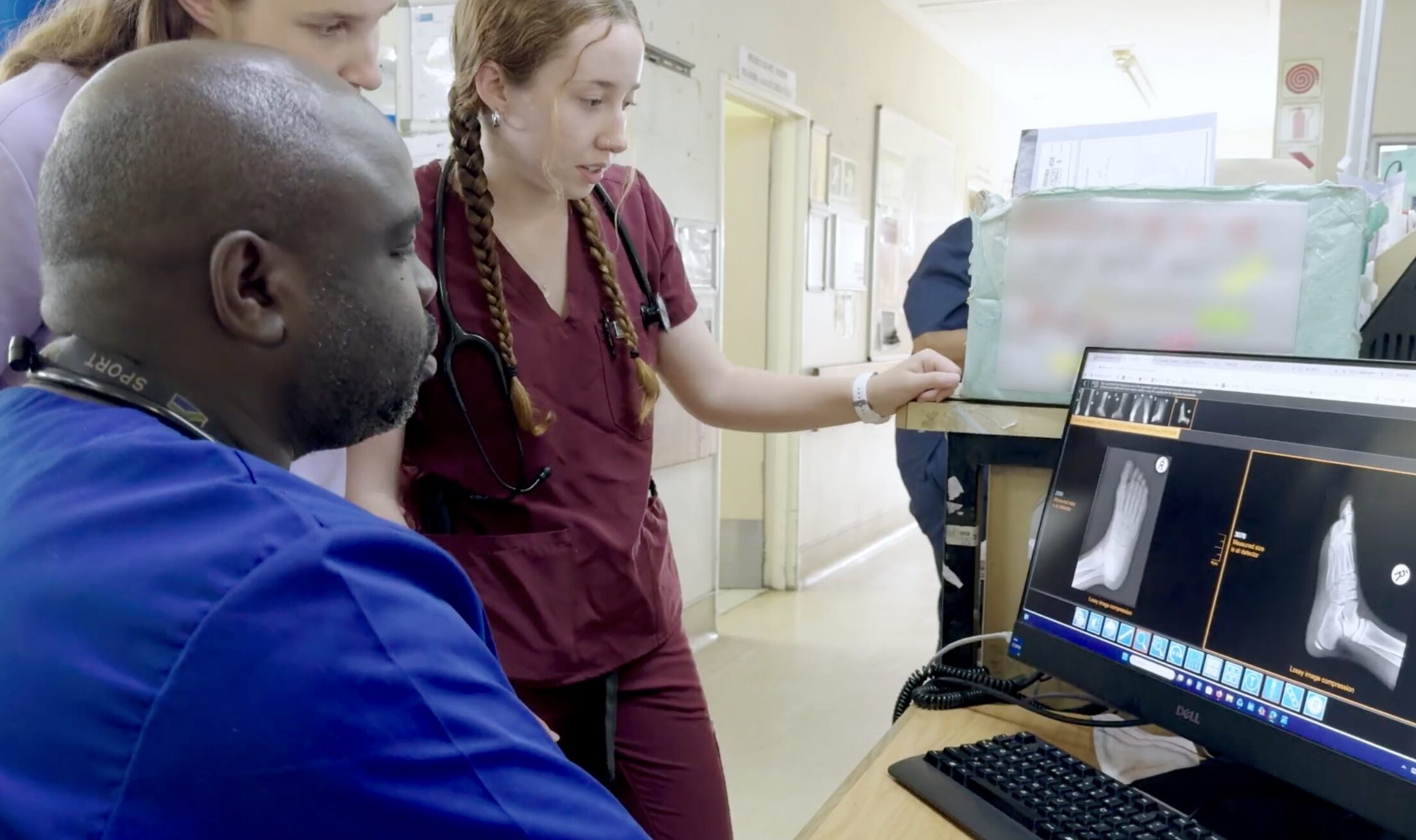
Medical
Step inside Cape Town’s public healthcare system through a Medical or Pre-Med internship, gaining supervised exposure to clinical teams, patient care and medicine in a very different healthcare context.
Learn more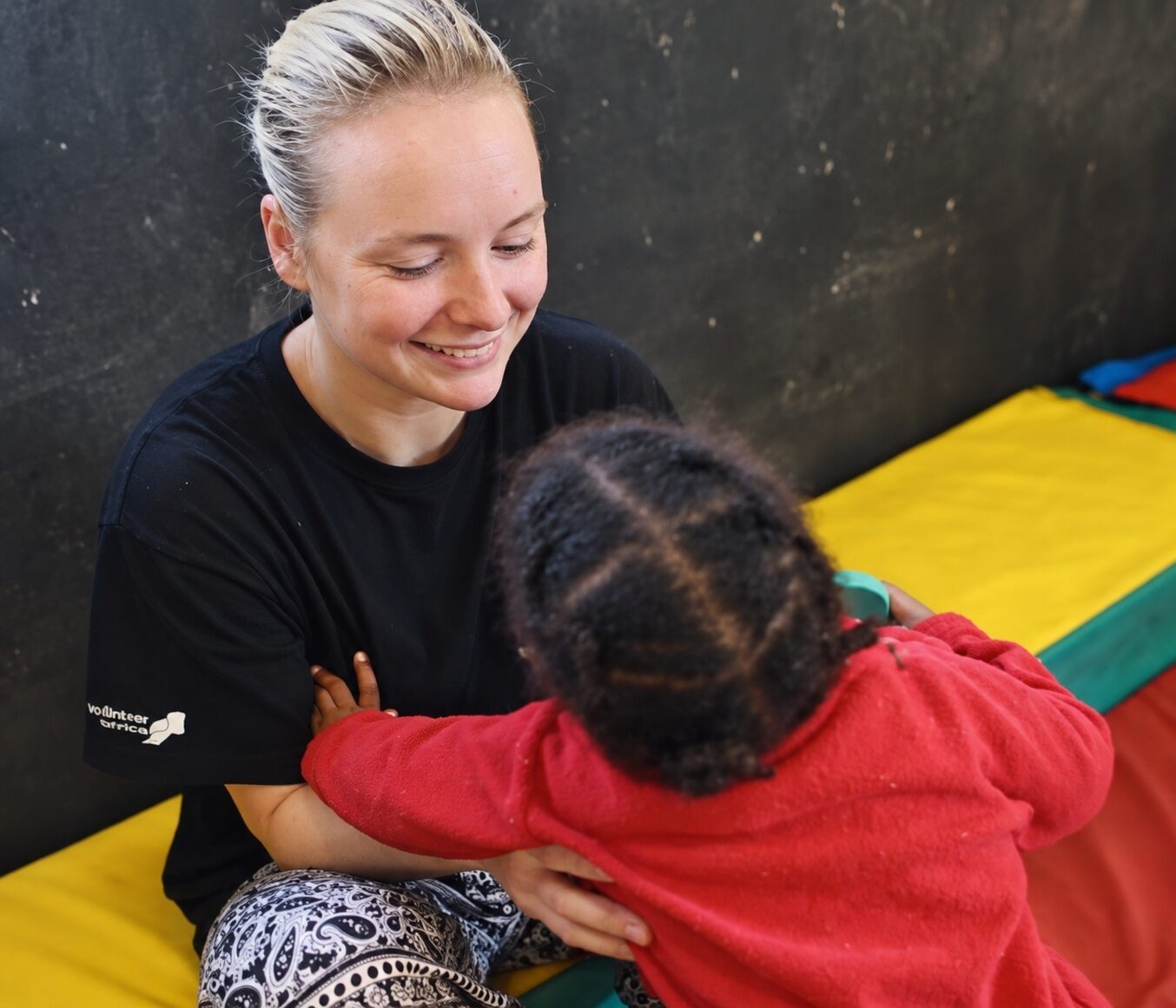
Occupational Therapy
Explore Occupational Therapy in Cape Town through placements developed around your background and stage of training. Opportunities may include pediatric, school-based, outpatient and rehabilitation settings, with supervision and involvement matched to your experience.
Learn more
Physical Therapy
Explore Physical Therapy in Cape Town through placements developed around your background and stage of training. Opportunities may include rehabilitation, pediatric, community and sports settings, with involvement matched to your experience and supervision.
Learn more
Political Science
Explore political science and public policy internships in Cape Town, South Africa, with opportunities in policy research, governance and international relations.
Learn more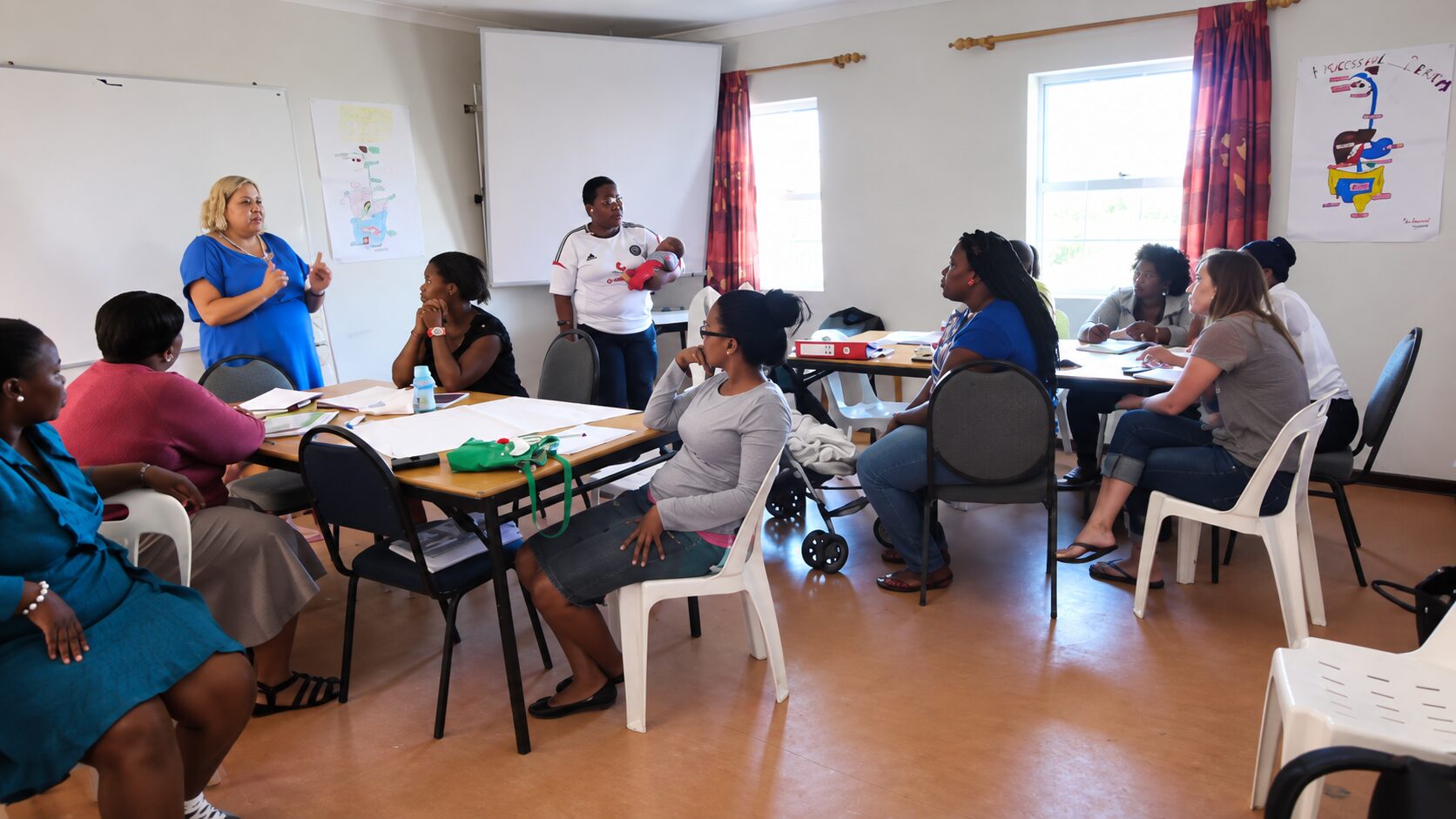
Public Health
Protect the vulnerable by collecting data, assisting workshops and expanding community health access.
Learn more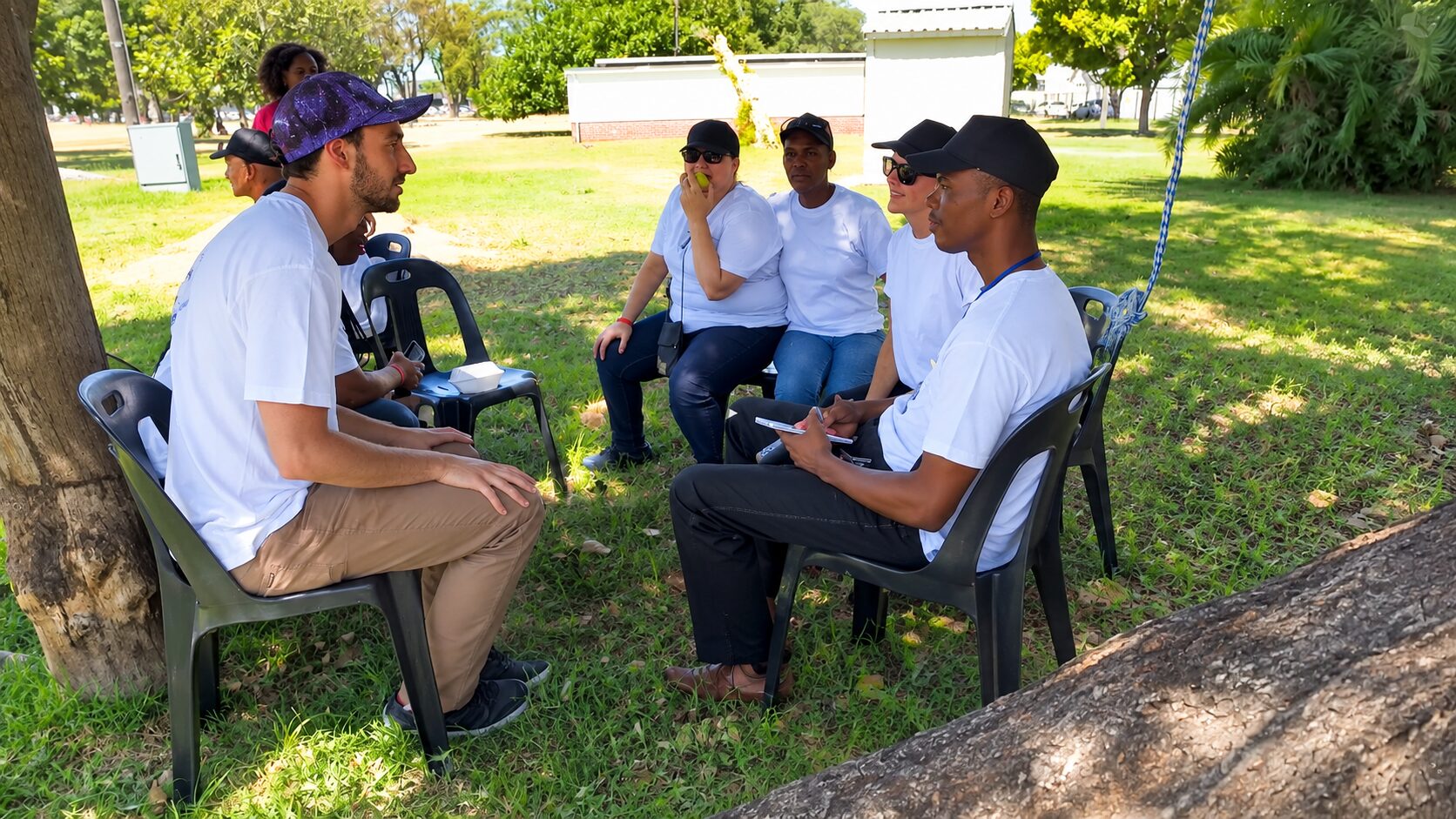
Refugee Work
Empower asylum seekers to help refugees access housing, employment, healthcare, and legal aid.
Learn moreSocial Work
Explore Social Work internships in Cape Town, South Africa, with supervised experience across community, youth, family and social-service programs.
Learn more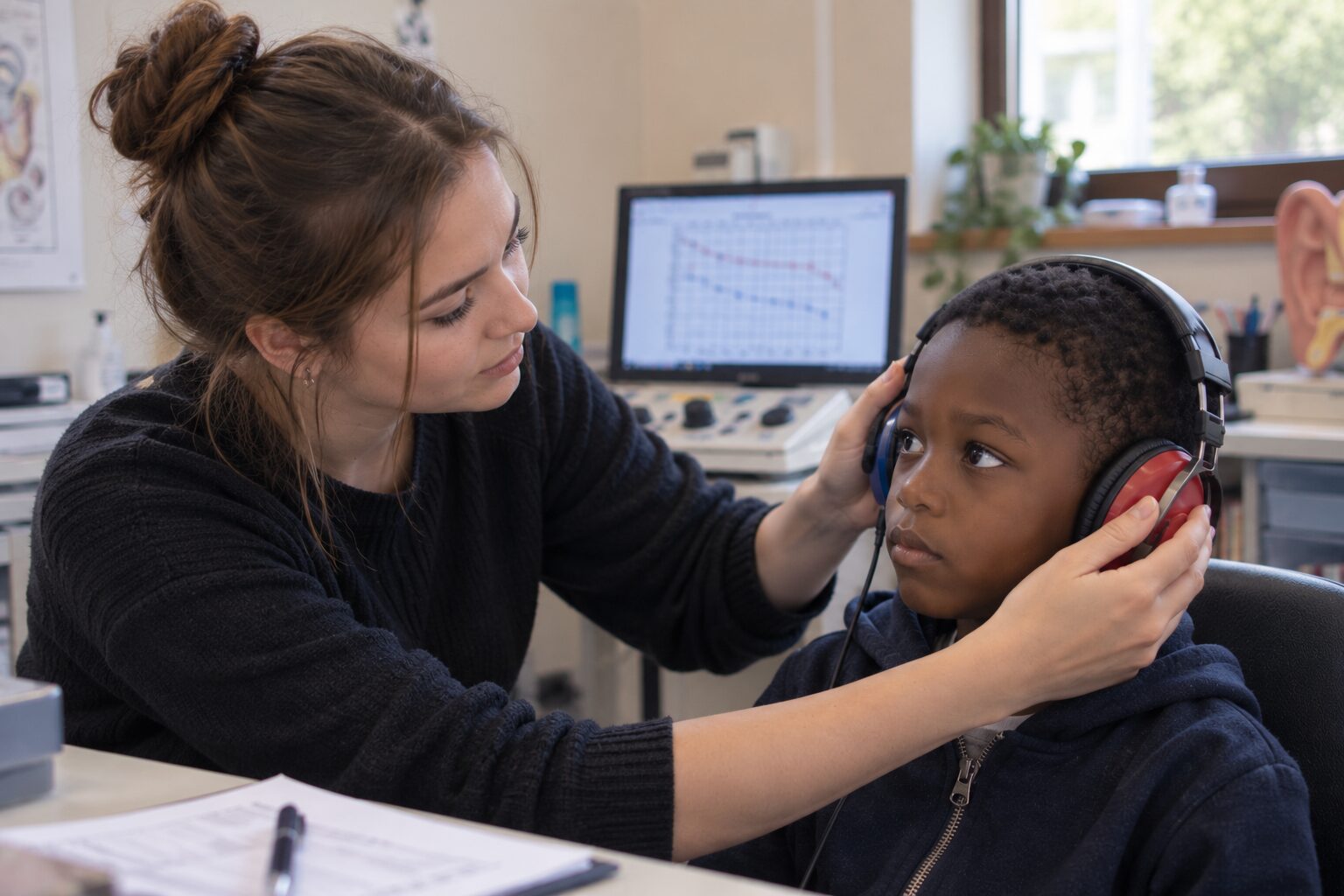
Speech Pathology & Audiology
Explore Speech Pathology or Audiology in Cape Town through placements shaped around your background and stage of training, from observation-focused experiences to formal clinical pathways for qualified students.
Learn more
Sports Management
Explore international Sports Management internships in Cape Town across sports programs, events, operations, marketing, youth sport, and business development.
Learn more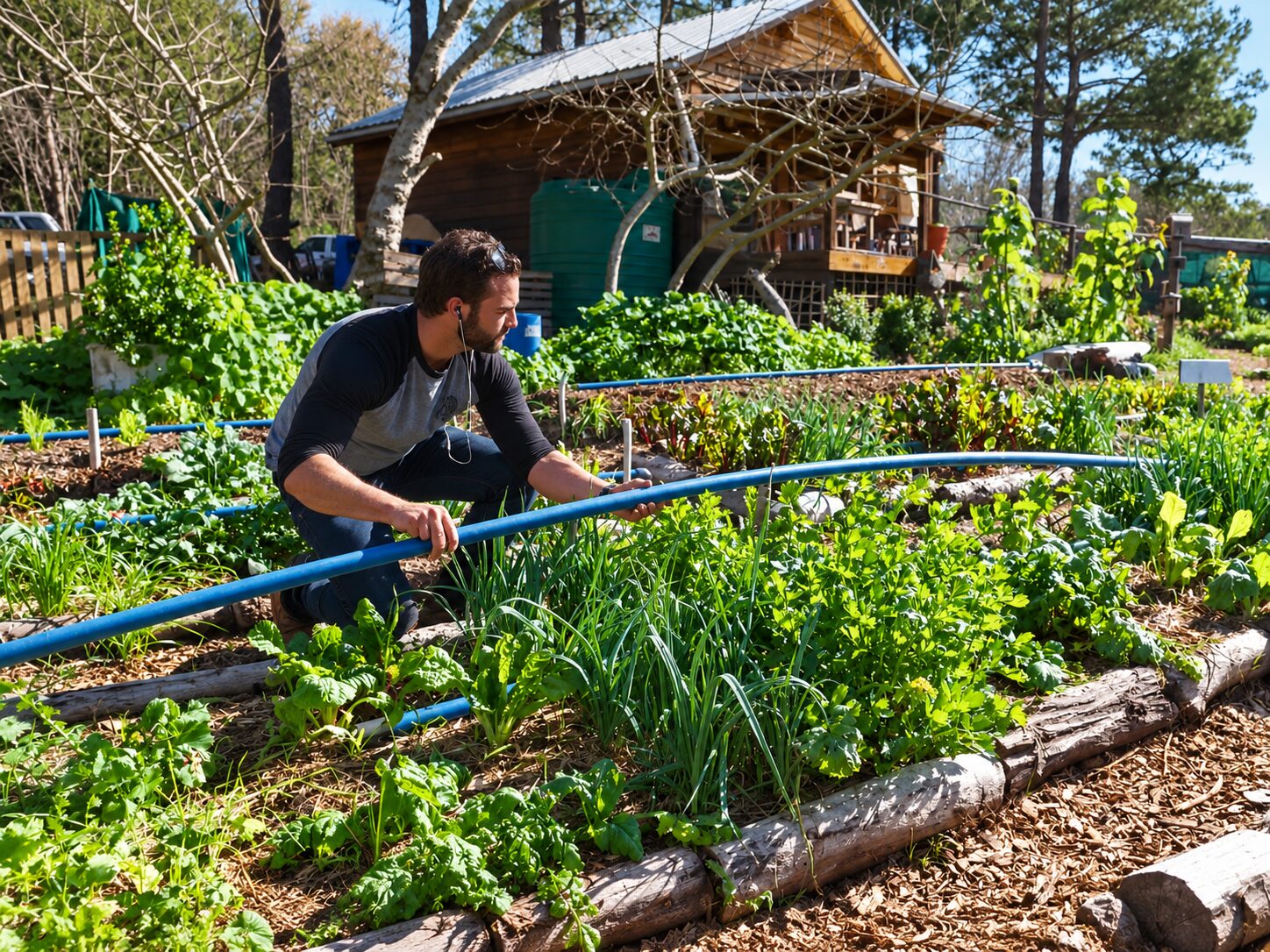
Sustainability
Explore sustainability internships in Cape Town focused on climate, environmental research, food security, urban agriculture, community programs, and sustainable development.
Learn more
Technology
Explore international technology internships in Cape Town across software development, web applications, data, product testing, digital systems, and related technical work.
Learn more