
INTERNSHIPS
Biotechnology Internships Abroad in Cape Town
Explore biotechnology through an internship abroad in Cape Town, where scientific research can move from the laboratory into real-world applications.
VAC develops your placement around your background, interests, and the work a local host organization is actively doing.
APPLIED SCIENCE
See biotechnology being developed for practical applications
RESEARCH & DEVELOPMENT
Support active R&D, research, and experimentation
BIOTECH STARTUPS
See how research moves toward practical applications
MATCHED TO YOUR SKILLS
Your background helps shape the placement
WHY CAPE TOWN?
Explore biotechnology where science meets real-world application
Cape Town has a varied science and innovation environment, including researchers, startups, and businesses working on applied scientific and environmental challenges.
Current VAC biotechnology opportunities are particularly strong in sustainable materials, applied research and development, and early-stage biotech businesses.
This can expose you not only to research and experimentation, but also to the process of testing applications, developing partnerships, and moving scientific ideas toward practical use.
WHAT YOU MAY EXPERIENCE
Explore the applied side of biotechnology
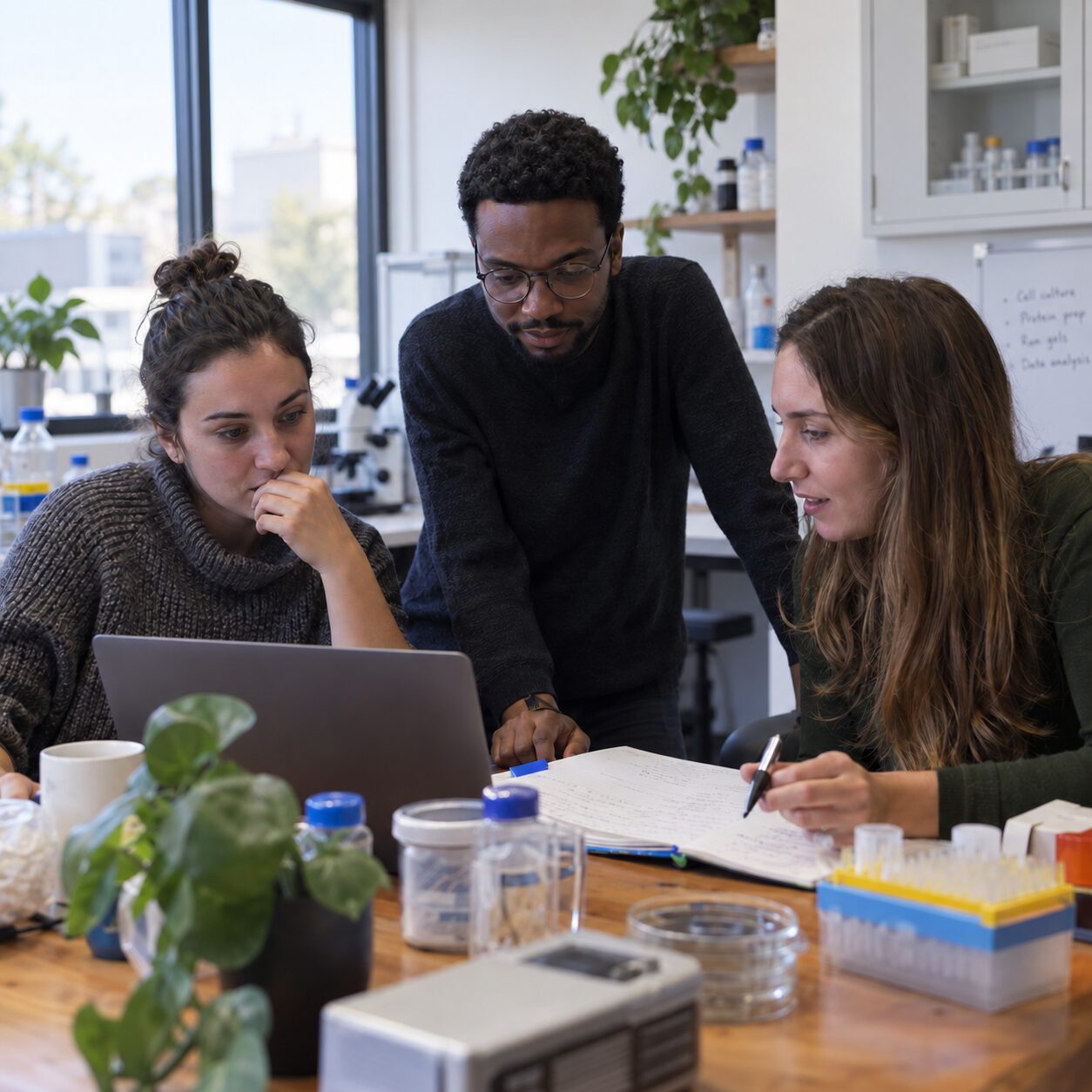
Applied Biotechnology & Sustainable Materials
Work alongside a biotechnology business developing new materials or applications using biological processes. You may gain exposure to the research, testing, and development involved in moving an idea toward practical use.
Research & Development
Observe or support active R&D. Depending on your preparation and the work underway, this may include experiments, material prototyping, research, documentation, or analysis.
Biotechnology Startups
Experience the commercial side of science. You may see how research connects with product development, possible applications, partnerships, funding, and the realities of growing a science-based business.
Research, Data & Documentation
Scientific work extends beyond experiments. Interns may assist with literature research, data, documentation, application research, or other work that supports the host’s active projects.
WHAT YOU MAY DO
Contribute to real biotechnology work
Your responsibilities depend on your training and the host’s current projects, but biotechnology internships may include work across these areas.
Laboratory involvement depends on the work underway, your academic background, and what the host considers appropriate. Daily wet-lab work is not guaranteed.
Support Research & R&D
You may assist with research, literature reviews, experiments where appropriate, material prototyping, testing, data, or scientific documentation.
Investigate Applications
You may research how a biotechnology product or material could be used, including application, market, industry, or stakeholder research.
See How Science Becomes a Business
You may support grant or partnership research, presentations, documentation, or other work that connects R&D with product development and startup growth.
WHAT YOU BRING
Your preparation shapes the opportunity
Biotechnology is one of the VAC fields where your academic and practical background can significantly affect the work a host can involve you in.
Starting Out
Less-experienced participants may contribute through research, observation, documentation, application research, and broader startup exposure.
Building Technical Experience
Students with laboratory, biology, chemistry, biotechnology, engineering, or data experience may be able to support more technical research and development work.
Strong Scientific Preparation
More advanced candidates may be considered for deeper laboratory, R&D, analysis, or prototyping exposure where their existing skills match the host’s current work.
The stronger the evidence of what you can already do, the more VAC has to work with when approaching specialist hosts.
How an applied biotechnology internship works
A biotechnology internship does not follow a fixed laboratory curriculum. You join an organization doing real work and contribute where your background, the host’s projects, and the supervision available align.
Research and development is project-driven. Laboratory access, techniques, equipment, datasets, and independent work depend on the organization and your demonstrated preparation.
WHO THIS IS FOR
Biotechnology experience at different stages
Gap Year Participants
A suitable Gap Year participant may be considered where a host can create an appropriate learning role.
This is more likely to involve research, observation, documentation, application research, or broader startup exposure than advanced laboratory work.
University Students
Students in biotechnology, biology, biochemistry, chemistry, materials science, environmental science, biomedical science, engineering, or related fields can build practical experience alongside their academic learning.
Relevant laboratory, research, technical, or data experience can expand the range of work available.
Graduates & Postgraduates
Advanced candidates with stronger scientific or technical preparation may be suitable for more demanding R&D, laboratory, analysis, or prototyping environments.
Your placement will still depend on the host’s current projects and supervision rather than academic level alone.
WHY VAC FOR BIOTECHNOLOGY INTERNSHIPS?
A biotechnology internship built around you
VAC does not place every biotechnology participant into the same organization or pull roles from a fixed catalogue of vacancies.
We develop placements locally in Cape Town and look at what you want to learn, what you can already do, and where your background can genuinely be useful.
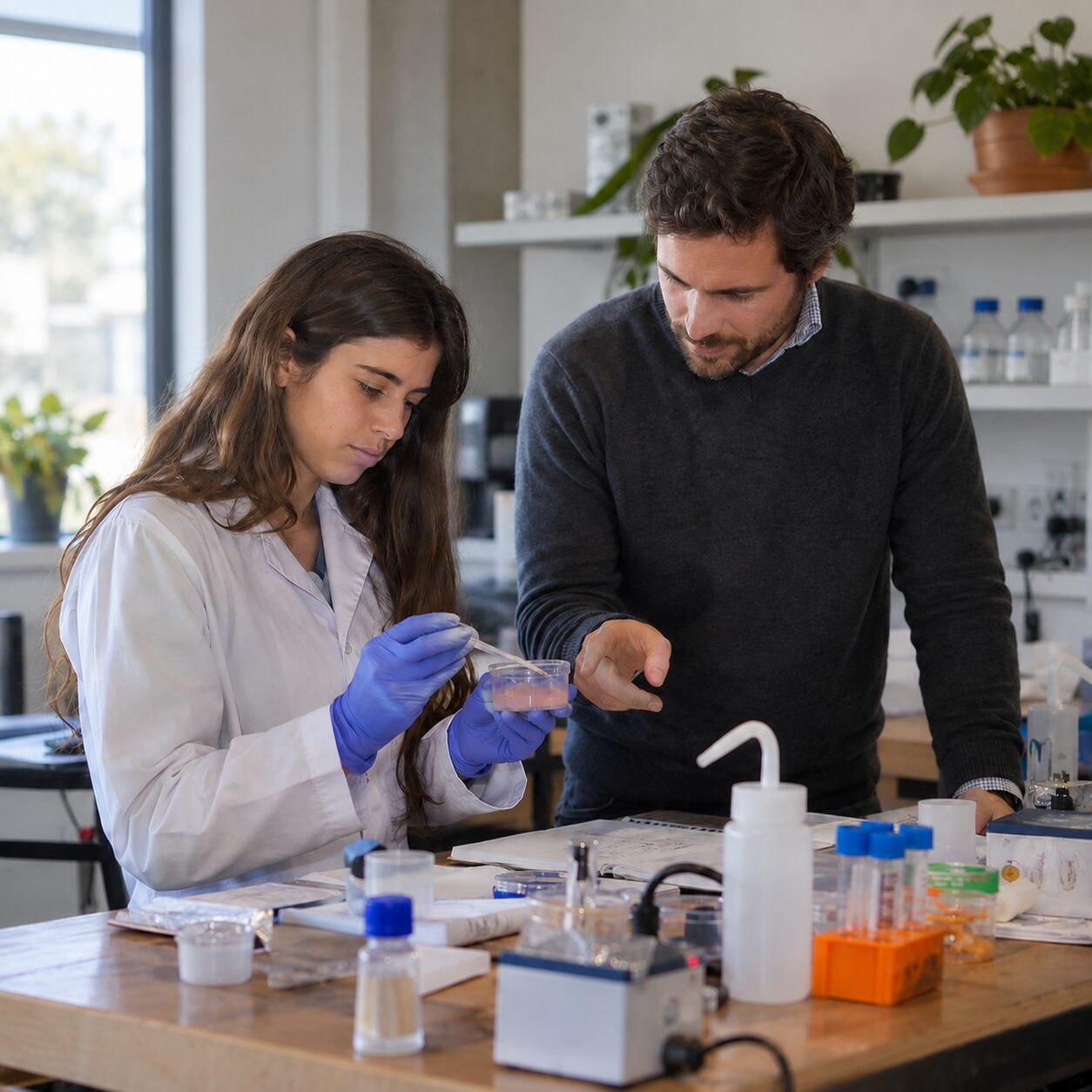
We Look Beyond the Job Title
A strong biotechnology experience may sit inside a biotech startup, sustainable-materials business, or another applied R&D environment.
We focus on the work you will actually be doing and learning.
Your Experience Shapes the Search
If you have laboratory, research, chemistry, biology, engineering, data, or technical experience, we can use that evidence when approaching more specialized hosts.
We Match to Current Work
R&D environments change with active projects. We look for organizations whose current work, supervision, and needs align with your interests and level rather than promising a particular technique or project in advance.
PLAN YOUR INTERNSHIP
Program options, dates and practical details
STANDARD INTERNSHIP PROGRAM
Flexible participation within VAC’s standard internship program.
GAP YEAR INTERNSHIP PROGRAM
A fixed-date cohort program with one- or two-term options.
PROGRAM HOUSING
Private bedrooms in shared participant housing in Observatory, Cape Town. Housing is arranged separately and is not included in the VAC program fee.
UNPAID INTERNSHIPS
VAC internships are unpaid professional learning experiences rather than paid employment.
WHAT THE PROGRAM INCLUDES
Placement matching, pre-arrival preparation, orientation, airport services, weekly activities and local VAC support.
ACADEMIC CREDIT
Optional academic-credit pathways are available. Credit fees are separate, and transfer is determined by your home institution.
BIOTECHNOLOGY INTERN STORIES
Hear from past VAC biotechnology interns
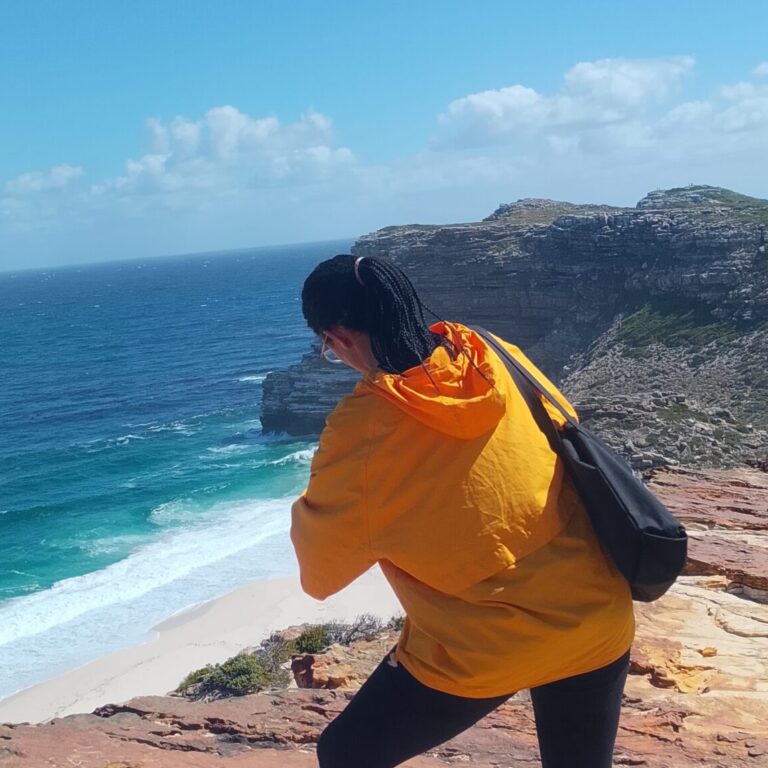
Farah Sarrell
Farah studies Bioengineering at Northeastern University in the United States. She joined VAC in January 2026 and completed a bioengineering internship with a South African medical technology company, where she gained practical experience in laboratory testing and 3D CAD design, while helping…

Tania R
I had a really great time in Cape Town. During my internship with a public health research organization, I felt welcomed from the start, everyone was incredibly kind and supportive. I spent much of my time working on data cleaning and learning…



BIOTECHNOLOGY INTERNSHIP FAQS
Questions about biotechnology internships in Cape Town
What kinds of biotechnology internships can VAC arrange in Cape Town?
Current placement capability is strongest in biotechnology startups, sustainable materials, and applied research and development.
Depending on your background and current host projects, placements may involve research, laboratory exposure, prototyping, data, documentation, application research, or aspects of biotechnology business development.
Will I work in a laboratory?
Laboratory exposure may form part of a biotechnology internship, but it is not guaranteed.
The amount and type of laboratory work depend on the host’s current projects, your academic background, your experience, and what the organization considers appropriate.
Can I choose a specific laboratory technique?
You can tell VAC about techniques you have used or would particularly like to explore, and this can inform the placement search.
VAC cannot guarantee a specific technique, piece of equipment, or research method because these depend on the host and its active work.
Do I need to study biotechnology?
Not necessarily.
Relevant backgrounds may include biotechnology, biology, biochemistry, chemistry, materials science, environmental science, biomedical science, engineering, and related areas.
The more specialized the work you are seeking, the more important it becomes to demonstrate relevant academic or practical experience.
Can Gap Year participants apply for biotechnology internships?
Yes, where a host can create an appropriate learning role.
For less-experienced participants, this is more likely to involve research, observation, documentation, application research, or broader startup exposure than advanced laboratory work.
Will I conduct my own research project?
Possibly, but this should not be assumed.
Interns contribute to the host organization’s current work. A defined piece of research or a smaller independent project may develop where appropriate, but VAC does not promise an independent research project or publication.
How does biotechnology overlap with sustainability and engineering?
These fields can overlap, particularly in sustainable materials and product development.
Biotechnology is the better fit when biological science, materials, or processes are central to the work. Sustainability & Clean Energy is more appropriate when the main focus is environmental programs, climate, sustainable development, or policy. Engineering is generally the better fit when technical design, systems, manufacturing, or product engineering is the primary focus.
Are biotechnology internships paid?
No.
VAC internships are unpaid professional learning experiences. Participants pay VAC for the placement process and wider Cape Town program, including preparation, orientation, and local support.
The time is now to explore, connect, and invest in yourself in Cape Town. Let us match you with an experience that counts.
Explore other internships

Business and Finance
Explore business and entrepreneurship internships in Cape Town across startups, business development, operations, market research and growth-focused roles.
Learn more
Clean Energy
Explore clean energy internships in Cape Town focused on energy markets, policy, climate finance, consulting, research, and the clean-energy transition.
Learn more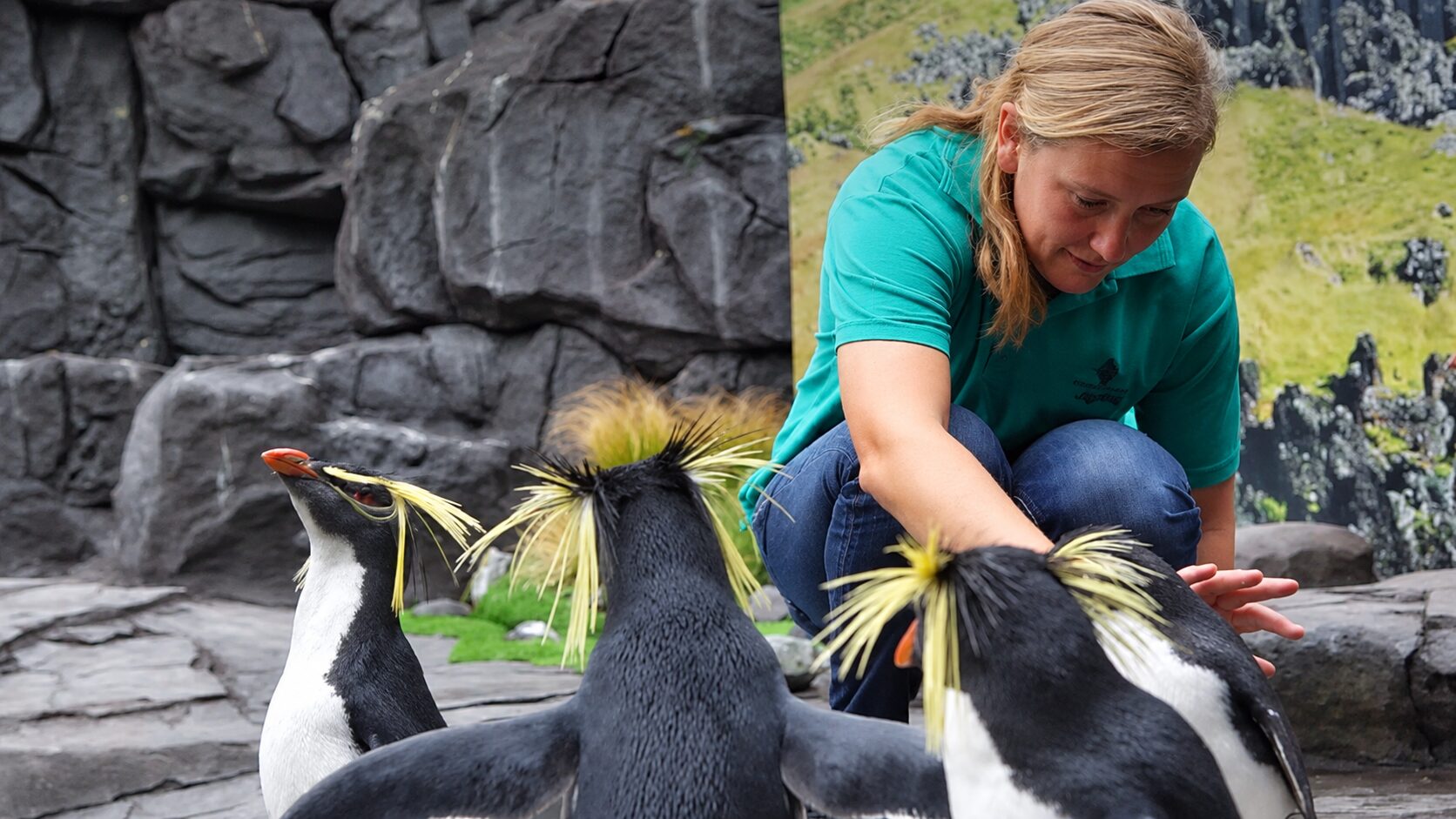
Conservation
Explore conservation internships in Cape Town across wildlife, marine conservation, biodiversity, habitat work, research and environmental education.
Learn more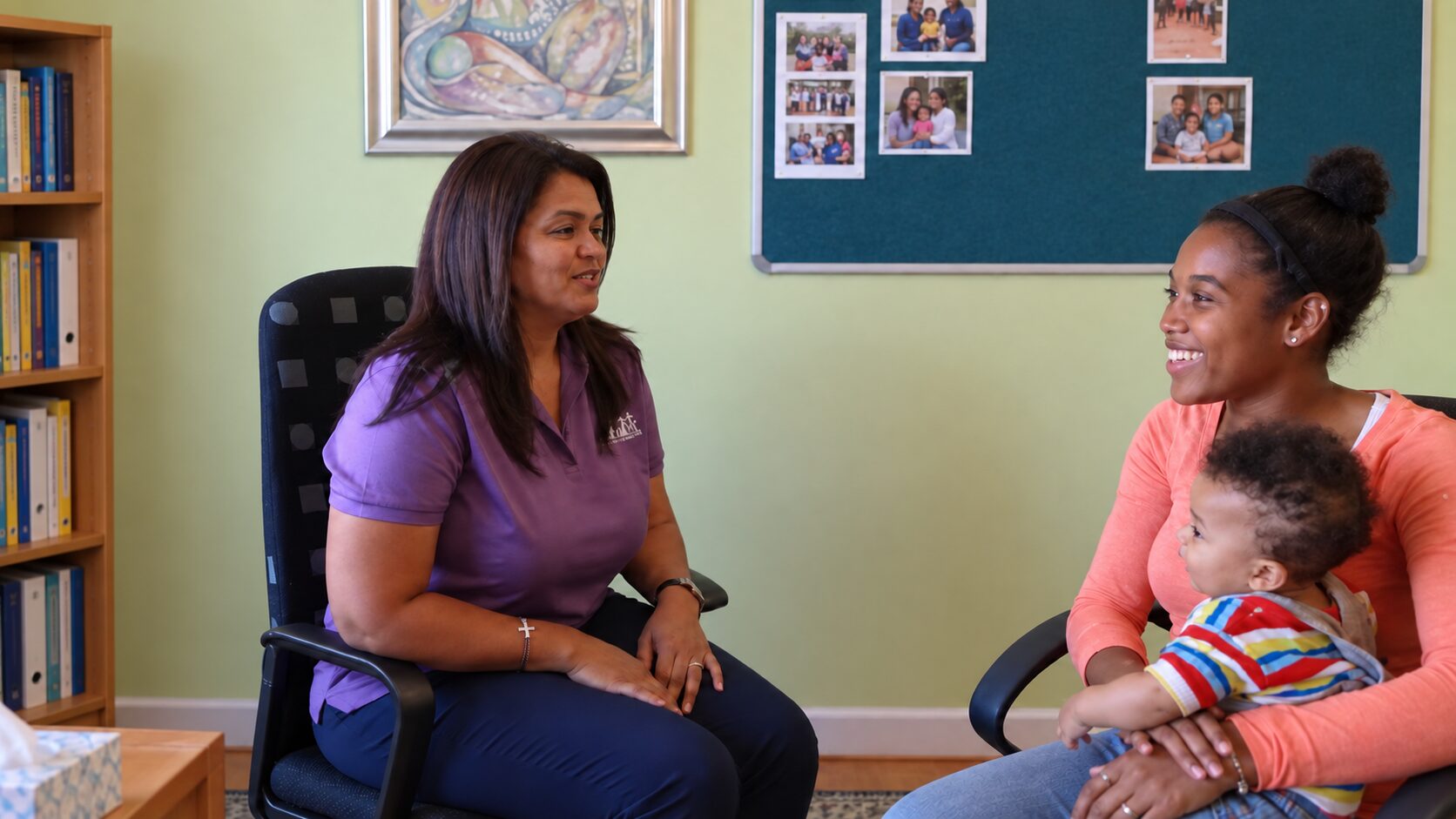
Counseling & Psychology
Explore Counseling & Psychology internships in Cape Town, from community-based mental-health and psychosocial placements to limited postgraduate Clinical Psychology opportunities.
Learn more
Education
Explore teaching and Education internships in Cape Town, South Africa. Gain practical experience in schools, classrooms and education programs with VAC.
Learn more
Engineering
Explore international engineering internships in Cape Town across mechanical, electrical, civil, mechatronics, product development, design, testing, and technical projects.
Learn more
Human Rights & Community Advocacy
Advocate for the vulnerable assisting organizations protecting rights and services for marginalized groups.
Learn more
Journalism
Explore Journalism internships abroad in Cape Town across reporting, radio, broadcast, digital journalism, and editorial work, with placements matched to your experience.
Learn more
Law
Explore law internships in Cape Town, South Africa, spanning human rights, public-interest, access-to-justice and civil or commercial legal work.
Learn more
Marketing
Explore marketing internships abroad in Cape Town across digital marketing, communications, PR, social media, content, brand, campaigns, research, and events.
Learn more
Film & Media
Explore Film & Media internships abroad in Cape Town, with opportunities spanning production, editing, post-production, community media and digital storytelling.
Learn more
Medical
Step inside Cape Town’s public healthcare system through a Medical or Pre-Med internship, gaining supervised exposure to clinical teams, patient care and medicine in a very different healthcare context.
Learn more
Occupational Therapy
Explore Occupational Therapy in Cape Town through placements developed around your background and stage of training. Opportunities may include pediatric, school-based, outpatient and rehabilitation settings, with supervision and involvement matched to your experience.
Learn more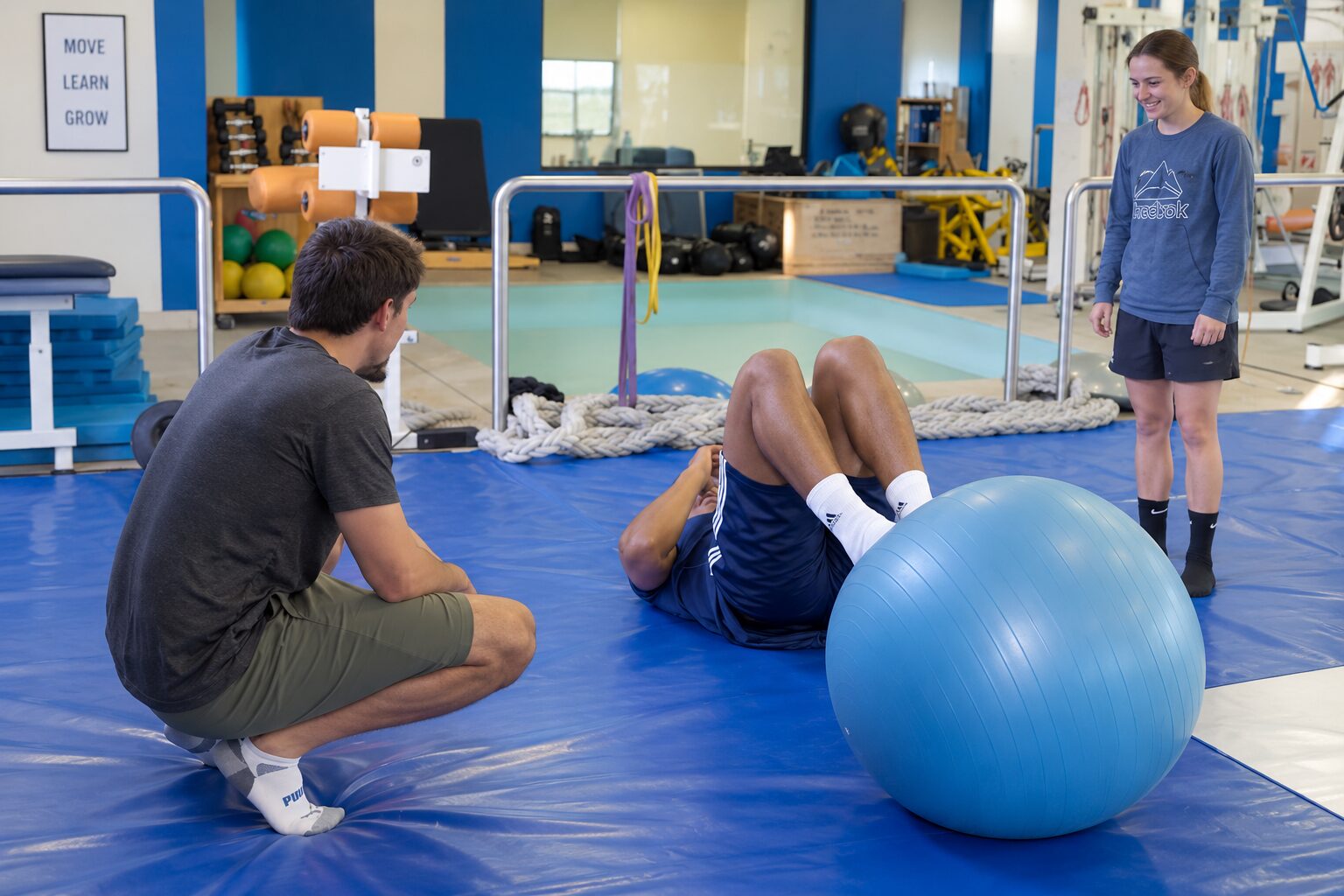
Physical Therapy
Explore Physical Therapy in Cape Town through placements developed around your background and stage of training. Opportunities may include rehabilitation, pediatric, community and sports settings, with involvement matched to your experience and supervision.
Learn more
Political Science
Explore political science and public policy internships in Cape Town, South Africa, with opportunities in policy research, governance and international relations.
Learn more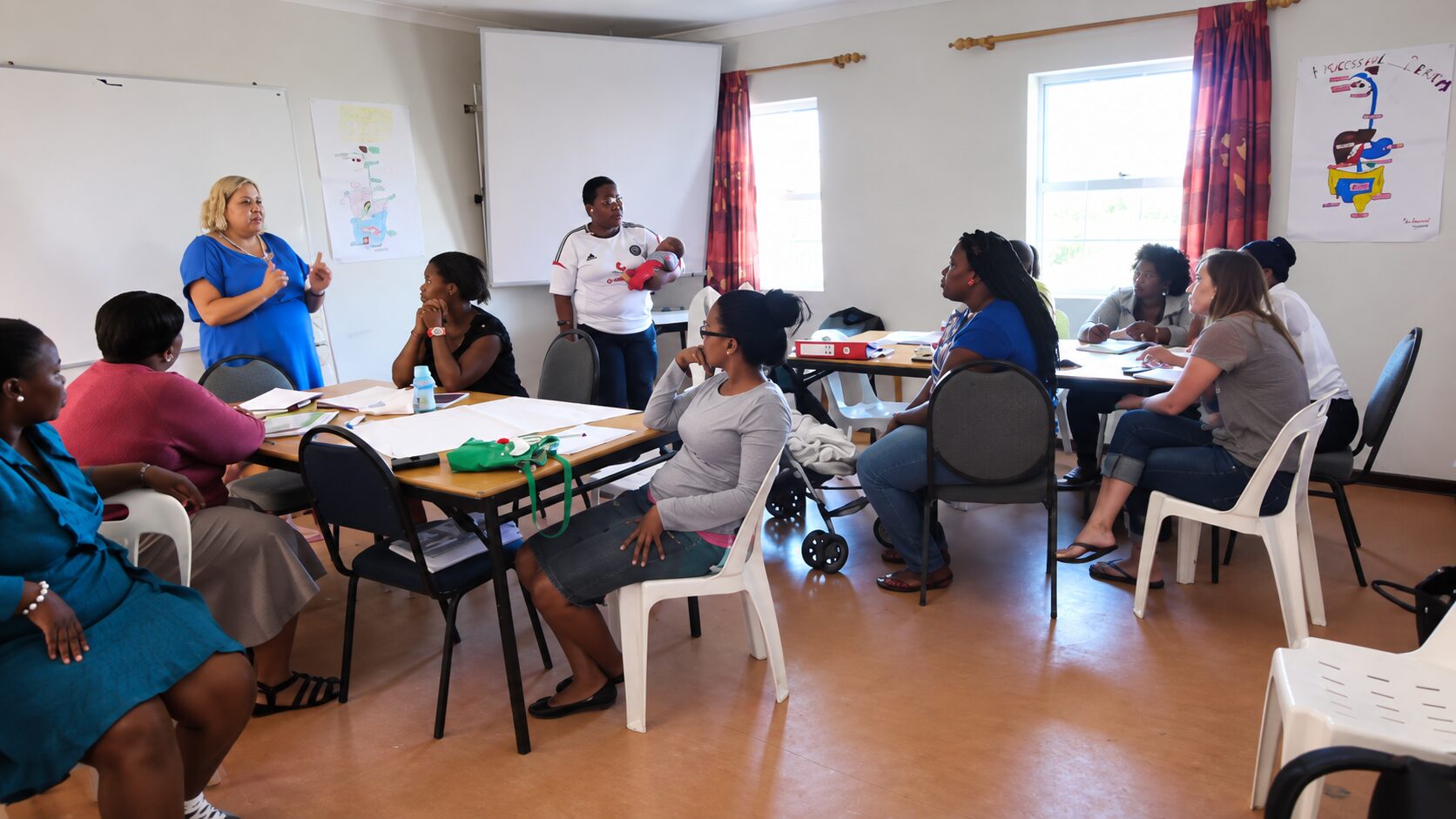
Public Health
Protect the vulnerable by collecting data, assisting workshops and expanding community health access.
Learn more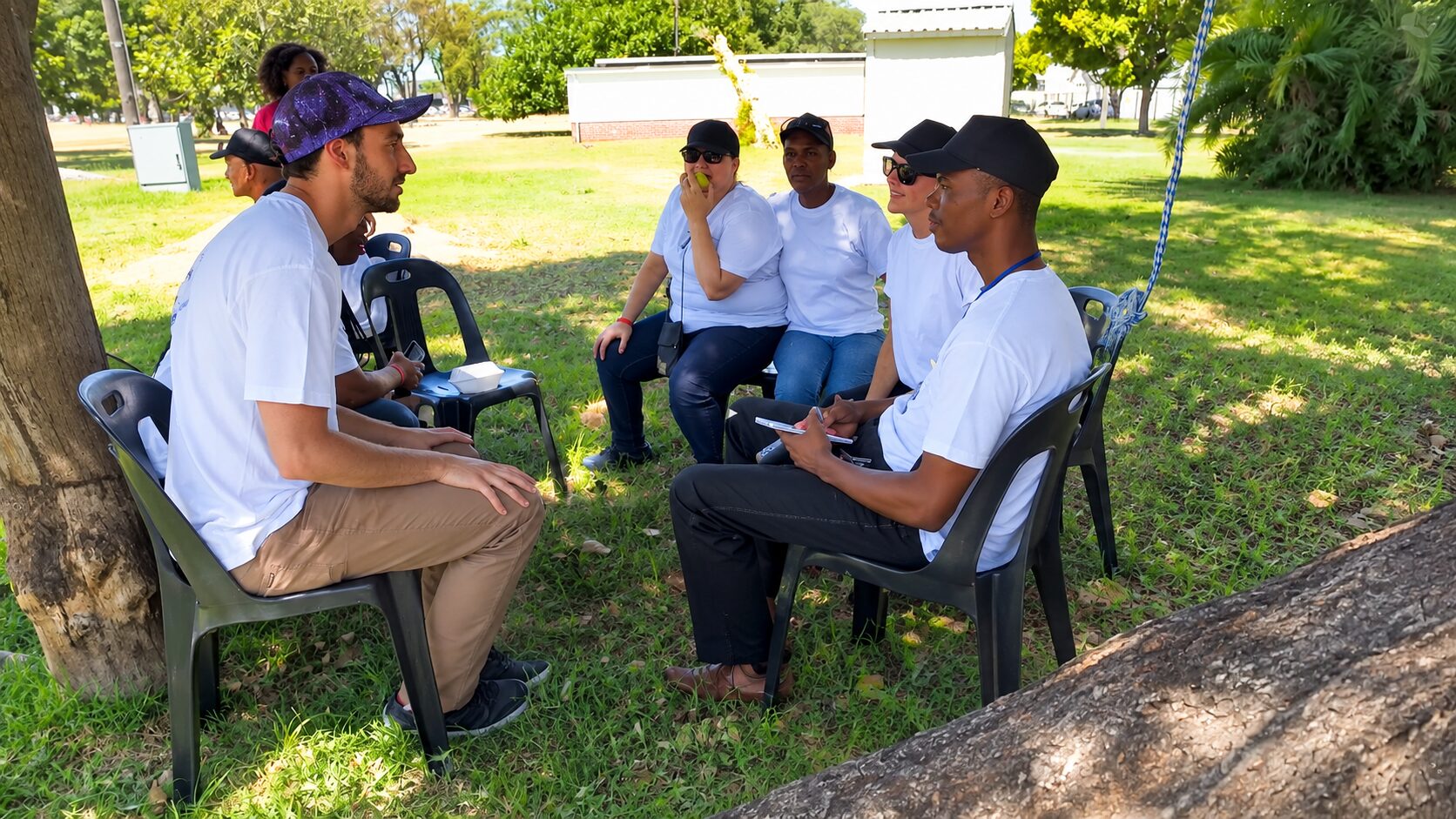
Refugee Work
Empower asylum seekers to help refugees access housing, employment, healthcare, and legal aid.
Learn moreSocial Work
Explore Social Work internships in Cape Town, South Africa, with supervised experience across community, youth, family and social-service programs.
Learn more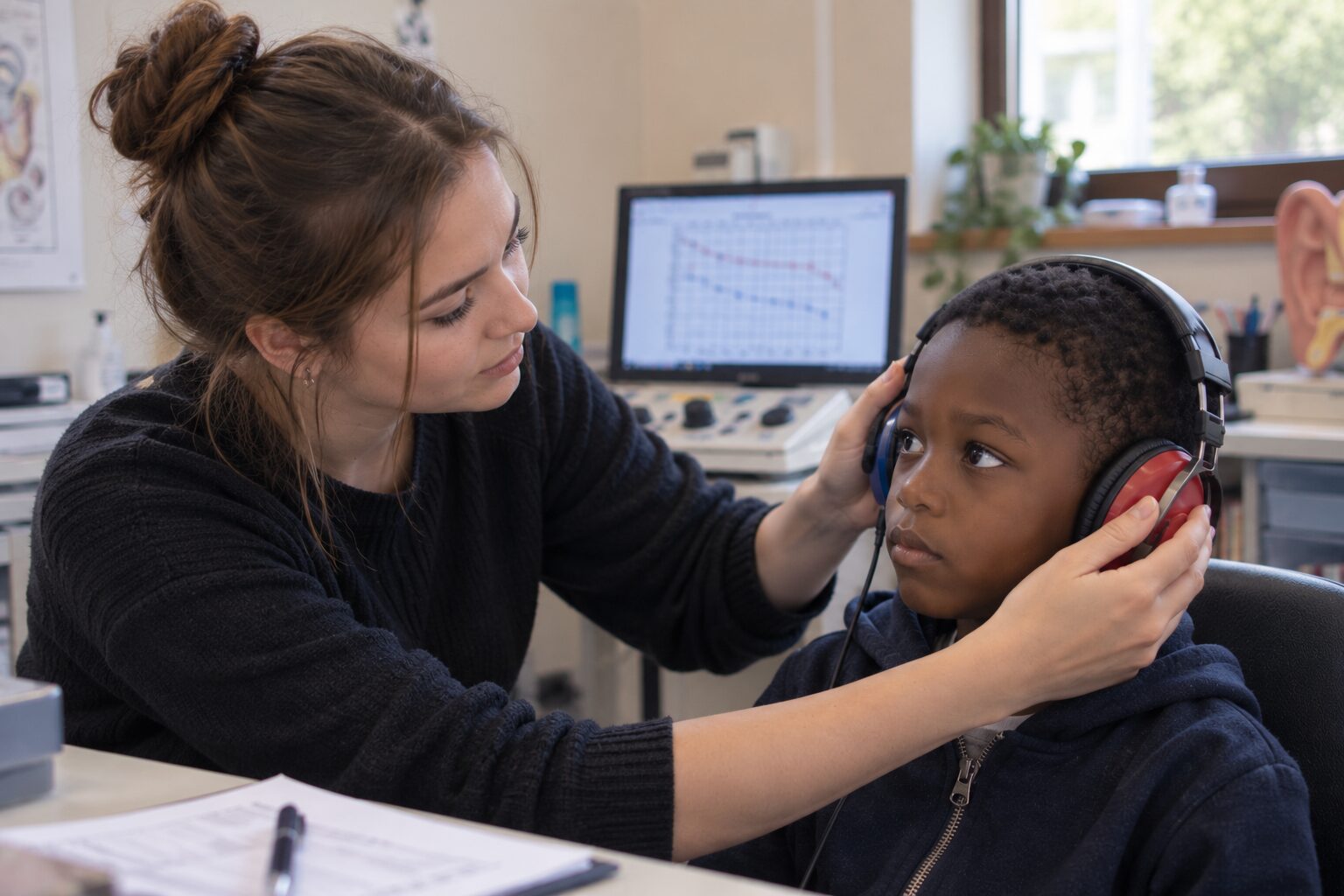
Speech Pathology & Audiology
Explore Speech Pathology or Audiology in Cape Town through placements shaped around your background and stage of training, from observation-focused experiences to formal clinical pathways for qualified students.
Learn more
Sports Management
Explore international Sports Management internships in Cape Town across sports programs, events, operations, marketing, youth sport, and business development.
Learn more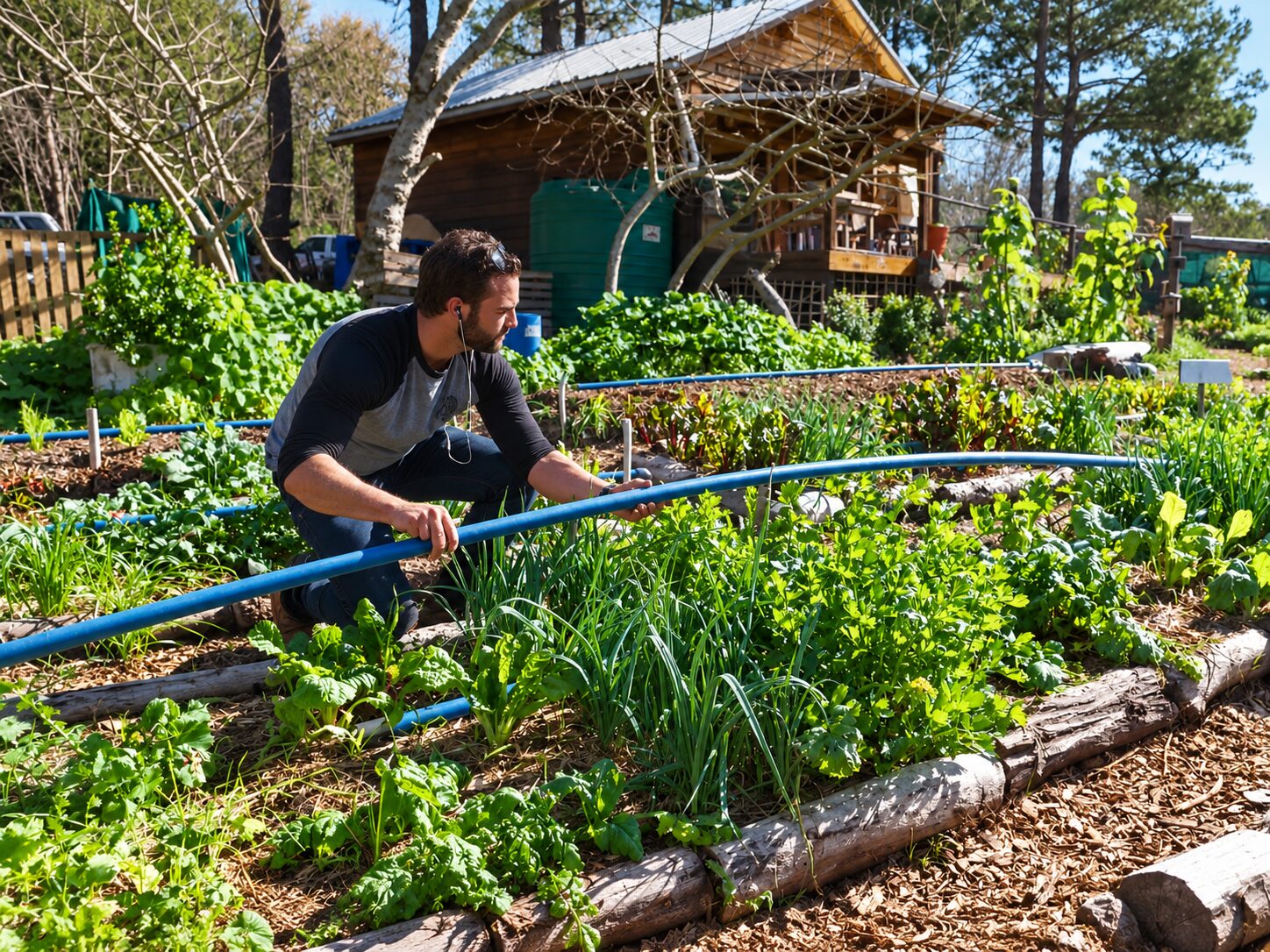
Sustainability
Explore sustainability internships in Cape Town focused on climate, environmental research, food security, urban agriculture, community programs, and sustainable development.
Learn more
Technology
Explore international technology internships in Cape Town across software development, web applications, data, product testing, digital systems, and related technical work.
Learn more