
Human Rights & Community Advocacy Internships in Cape Town
A human rights internship in Cape Town can take you into organizations working on some of the issues that shape everyday life: migration, gender equality, disability inclusion, youth opportunity, access to services, land and housing, LGBTQIA+ rights, social cohesion and community participation.
Depending on your background and the organization’s current work, your internship may involve research, rights education, community programs, advocacy, communications, events, monitoring and evaluation, or the practical work that keeps a nonprofit organization moving.
The common thread is learning how rights are understood, supported and advocated for in practice.
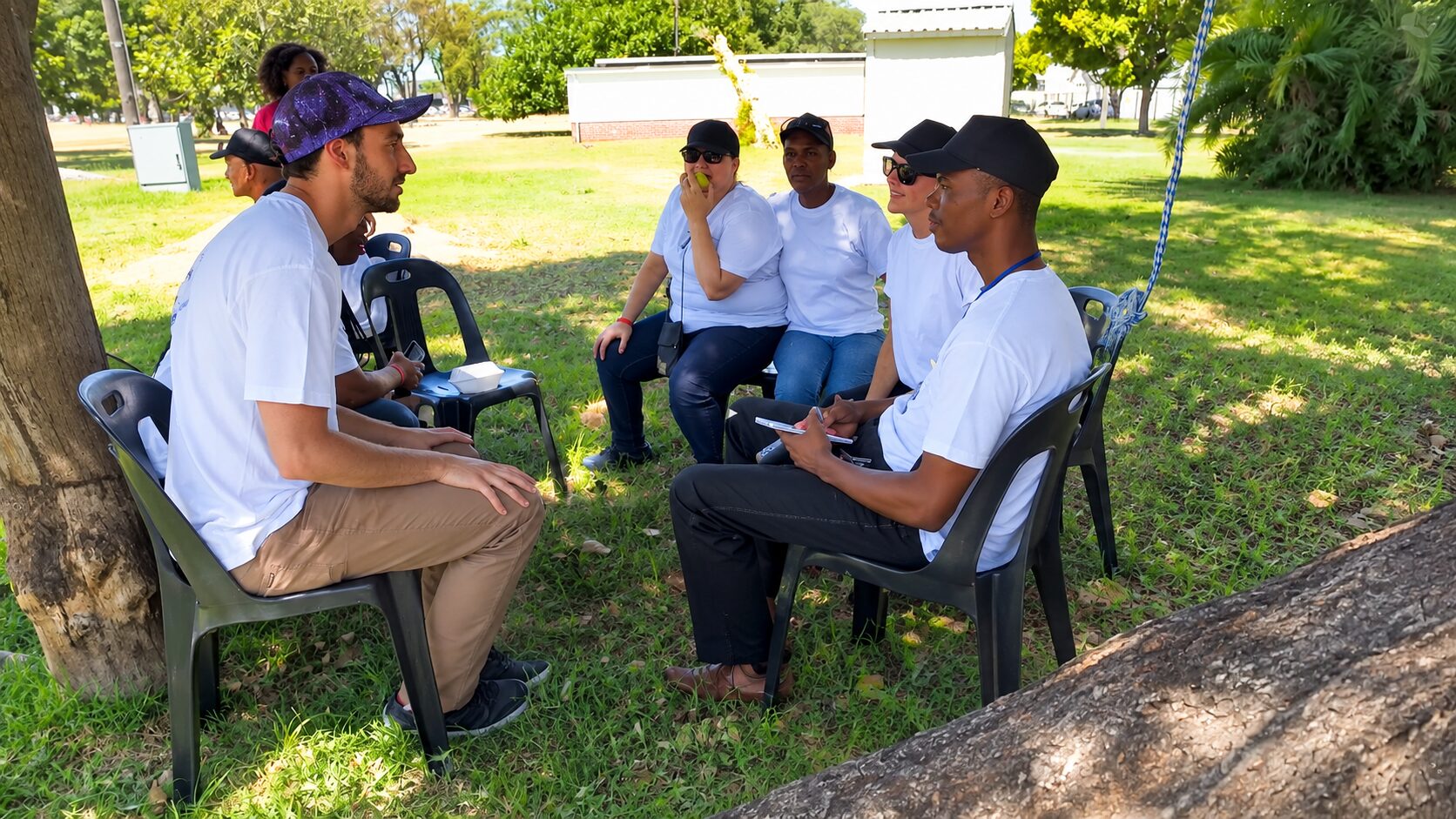

RIGHTS IN PRACTICE
See how rights, inclusion and advocacy are approached through the day-to-day work of local organizations.
COMMUNITY & ADVOCACY
Placements may involve education, outreach, research, program support or public-awareness work.
A WIDE RANGE OF ISSUES
Explore areas such as migration, gender justice, disability inclusion, youth development and social justice.
DIFFERENT ACADEMIC BACKGROUNDS
Suitable opportunities may be available from Gap Year level through postgraduate study, depending on the role and host requirements.
WHY CAPE TOWN?
A particularly important place to understand human rights in practice
Cape Town offers a compelling context for anyone interested in human rights. South Africa’s constitutional democracy emerged from apartheid, and the country’s recent history gives questions of equality, dignity, access, participation and justice a particular weight.
At the same time, many of those questions remain part of everyday public life. Issues around housing, migration, gender, disability, poverty, land, access to services and social inclusion are still actively debated and addressed by public institutions, nonprofits, advocacy groups and community organizations.
For students interested in human rights internships abroad, Cape Town offers the chance to understand how rights are interpreted, defended and advanced within a society shaped by both profound political change and continuing inequality.
Human rights work takes many different forms
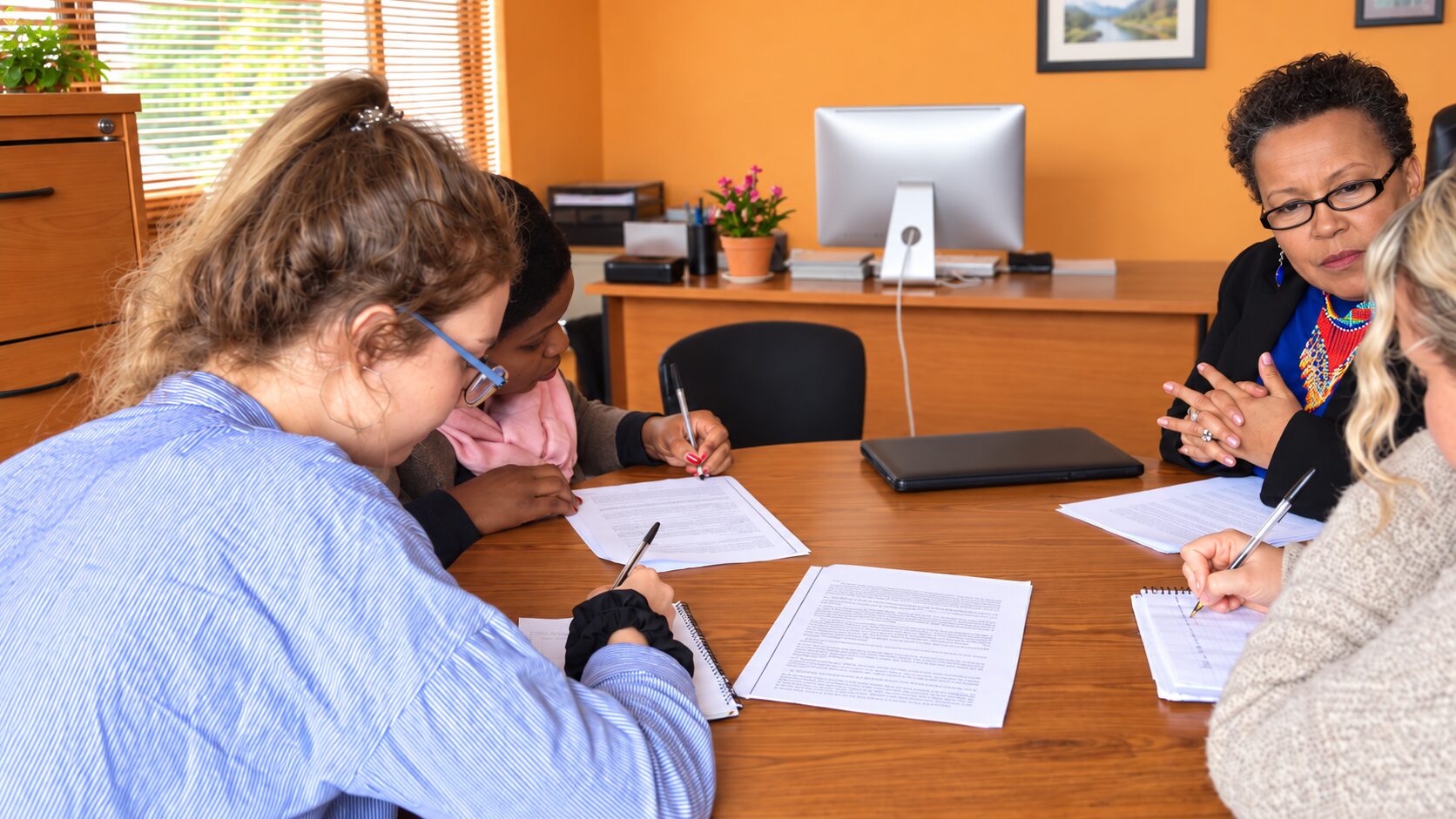

RIGHTS EDUCATION & ADVOCACY
Some organizations help people understand their rights, develop educational resources, organize workshops or contribute to campaigns around equality, inclusion and access.
MIGRATION, INCLUSION & SOCIAL COHESION
Work in this area may involve migration, social cohesion, inclusion, employment access, language support, community activities or related advocacy and education, depending on the host organization’s current work.
GENDER JUSTICE & SUPPORT
Organizations working around gender-based violence and women’s rights may combine prevention, public education, survivor support, advocacy, court support, economic empowerment or community programming.
COMMUNITY DEVELOPMENT & PARTICIPATION
Other placements may focus on youth development, disability inclusion, homelessness, land and food justice, employment readiness, community participation or the practical work of strengthening access and opportunity.
What might you do during a Human Rights & Community Advocacy internship?
Your responsibilities will depend on your skills, experience and what the organization needs at the time.
Intern roles can also involve administration, data systems, event coordination and other behind-the-scenes work that helps an organization deliver its programs effectively.
RESEARCH & DOCUMENTATION
Research a human-rights or community issue, help organize information, contribute to reports, develop educational resources, or support monitoring and evaluation.
PROGRAM & COMMUNITY SUPPORT
Assist with workshops, youth programs, events, community activities, employment-readiness initiatives or other ongoing programs where appropriate.
ADVOCACY & COMMUNICATIONS
Contribute to awareness campaigns, communications, social media, stakeholder engagement, fundraising materials or public-facing educational content.
WHERE THE FIELDS OVERLAP
Where Human Rights, Human Rights Law and Public Policy overlap
These fields often overlap and may come together within the same organization.
An organization working on migration or refugee-related issues, for example, might host a Human Rights Law intern researching legal protections, a policy intern studying migration systems, and a Human Rights intern supporting inclusion, education, advocacy or community programs.
A Human Rights & Community Advocacy placement will generally lean more toward rights in lived practice: participation, inclusion, education, advocacy, outreach and support.
A Human Rights Law placement will generally focus more heavily on legal research, case work, legal services, legal empowerment or access to justice.
Public Policy, Politics & Governance placements tend to focus more on institutions, legislation, systems, research and reform.
The organization may be the same. What matters most is what you will actually be doing and learning.
Human rights experience at different stages
GAP YEAR PARTICIPANTS
Appropriate roles may introduce you to nonprofit work, youth or community programs, communications, research, administration or educational activities while helping you understand how local organizations work.
UNIVERSITY STUDENTS
A strong fit for students in Human Rights, International Relations, Political Science, Sociology, Development Studies, Gender Studies, Law, Psychology, Communications, Public Policy and related fields.
GRADUATES & POSTGRADUATES
Participants with stronger research, writing, data, policy or professional skills may be able to contribute to more defined research, advocacy, monitoring, communications or organizational projects.
Find the kind of human rights work you actually want to understand
“Human rights” can mean very different things to different students.
You may be interested in migration and refugee rights, gender justice, disability inclusion, youth advocacy, land and food systems, LGBTQIA+ rights, legal empowerment or the way community organizations respond to inequality.
VAC has been developing internships in Cape Town since 2006. Rather than placing participants into a fixed list of vacancies, the placements team looks at your interests, academic background, experience and skills, and then explores what suitable organizations are able to support at that time.

INDIVIDUAL PLACEMENT DEVELOPMENT
Tell us what issues interest you and what kind of experience you are hoping to gain.
CAPE TOWN EXPERIENCE
VAC’s team is based in Cape Town and develops placements locally.
A ROLE THAT FITS YOUR BACKGROUND
Placement development considers your interests, skills, experience and the needs of the host organization.
PLAN YOUR INTERNSHIP
Program options, dates and practical details
STANDARD INTERNSHIP PROGRAM
Flexible participation within VAC’s standard internship program.
GAP YEAR INTERNSHIP PROGRAM
A fixed-date cohort program with one- or two-term options.
PROGRAM HOUSING
Private bedrooms in shared participant housing in Observatory, Cape Town. Housing is arranged separately and is not included in the VAC program fee.
UNPAID INTERNSHIPS
VAC internships are unpaid professional learning experiences rather than paid employment.
WHAT THE PROGRAM INCLUDES
Placement matching, pre-arrival preparation, orientation, airport services, weekly activities and local VAC support.
ACADEMIC CREDIT
Optional academic-credit pathways are available. Credit fees are separate, and transfer is determined by your home institution.
Hear from past VAC interns

Ireland Riley
Ireland studies Global Studies with a minor in Business at Auburn University in the United States. She joined VAC in June 2026 and completed a human rights and legal research internship with a South African research and advocacy organization, where she gained…
Madison Leads
Madison studies Psychology with a minor in Crime & Justice at the University of Michigan in the United States. She joined VAC in June 2026 and completed a psychology and human rights internship with a South African trauma support organization, where she…
Roxana Sierra
Roxana studies Criminal Justice and Political Science at Indiana University in the United States. She joined VAC in May 2026 and completed a human rights and public policy internship with a South African community organization supporting older adults, where she gained experience…

Sydney Kirchney
Sydney studies Education Studies with a concentration in Equity and Educational Change and a minor in Political Science at Miami University in Oxford, Ohio. She joined VAC in June 2026 and completed a nonprofit education internship with a South African community development…

Thea Work
Thea studies Neuroscience with a concentration in Brain, Mind, and Behavior and a minor in Philosophy at the University of Cincinnati in the United States. She joined VAC in May 2026 and completed a human rights and law internship with a South…

Allison Doss
Allison studies Political Science at Oregon State University in the United States. She joined VAC in January 2026 and completed a human rights internship with a South African community development organization, where she created a climate change manual exploring its disproportionate impact…
What kinds of Human Rights internships are available in Cape Town?
Human Rights & Community Advocacy placements may be developed with nonprofits, advocacy organizations, community organizations and support services working across issues such as migration, gender equality, disability inclusion, LGBTQIA+ rights, youth development, homelessness, land and food justice, social cohesion and access to services.
The exact placement depends on your interests, background and current host availability.
What might I do during a Human Rights internship?
Your work could include research, rights education, program support, workshops, communications, advocacy materials, events, monitoring and evaluation, stakeholder engagement or nonprofit administration.
Responsibilities vary according to your skills and the organization’s current priorities.
Will I work directly with local communities?
Some placements include community-facing programs, workshops or outreach, while others are more focused on research, communications, administration, monitoring or organizational support.
Direct community contact depends on the organization, the role and what is appropriate for the participant’s experience.
What is the difference between Human Rights and Human Rights Law internships?
Human Rights & Community Advocacy and Human Rights Law can overlap considerably, especially within organizations working on migration, gender justice, equality, housing, access to services or other rights-based issues.
Human Rights Law internships generally involve more legal work, such as legal research, case preparation, legal education, access-to-justice services or supervised support with legal matters.
Human Rights & Community Advocacy placements usually place more emphasis on rights education, inclusion, participation, outreach, advocacy and community programs.
Some organizations can support both kinds of placement. The participant’s actual responsibilities determine which field is the better fit.
What is the difference between Human Rights and Public Policy internships?
Public Policy, Politics & Governance placements tend to focus more heavily on institutions, legislation, policy research, political systems, accountability and systemic reform.
Human Rights & Community Advocacy placements are generally more community-facing, although research, policy and advocacy can form part of both fields.
Do I need to study Human Rights?
Not necessarily.
Depending on the role, relevant backgrounds can include Human Rights, Political Science, International Relations, Development Studies, Sociology, Gender Studies, Law, Psychology, Social Work, Communications, Public Policy and other related disciplines.
For some placements, strong research, writing, communication, maturity or community-engagement skills may matter more than the exact title of your degree.
Can gap year participants apply?
Yes, where an appropriate role is available.
Gap Year participants may be considered for supportive, practical, administrative, research or non-specialized roles that fit their experience and the organization’s needs. More advanced research or specialist responsibilities may require additional academic or professional preparation.
Can I work on refugee or migration issues?
Potentially. Some Human Rights & Community Advocacy organizations work on migration, inclusion, social cohesion or related issues as part of a broader mandate.
If this is a particular interest, let VAC know during the placement process so the team can explore what suitable current hosts may be able to support.
Work involving asylum applications, legal documentation, case preparation or legal advice falls more naturally within Human Rights Law and must remain appropriately supervised.
Some Human Rights & Community Advocacy organizations may also work on migration, inclusion or social cohesion as part of a broader mandate. If this is a particular interest, you can also explore our Refugee & Migration Internships page.
Can I receive university credit?
If your university requires an internship or has specific academic requirements, send VAC those requirements before the placement process begins so the placements team can determine whether an appropriate organization can accommodate them.
VAC also offers optional academic-credit pathways. Your home university makes the final decision about how outside credit is recognized or transferred.
Explore other internships

Biotechnology
Explore biotechnology internships abroad in Cape Town focused on applied R&D, sustainable materials and biotech startups, matched to your background and skills.
Learn more
Business and Finance
Explore business and entrepreneurship internships in Cape Town across startups, business development, operations, market research and growth-focused roles.
Learn more
Clean Energy
Explore clean energy internships in Cape Town focused on energy markets, policy, climate finance, consulting, research, and the clean-energy transition.
Learn more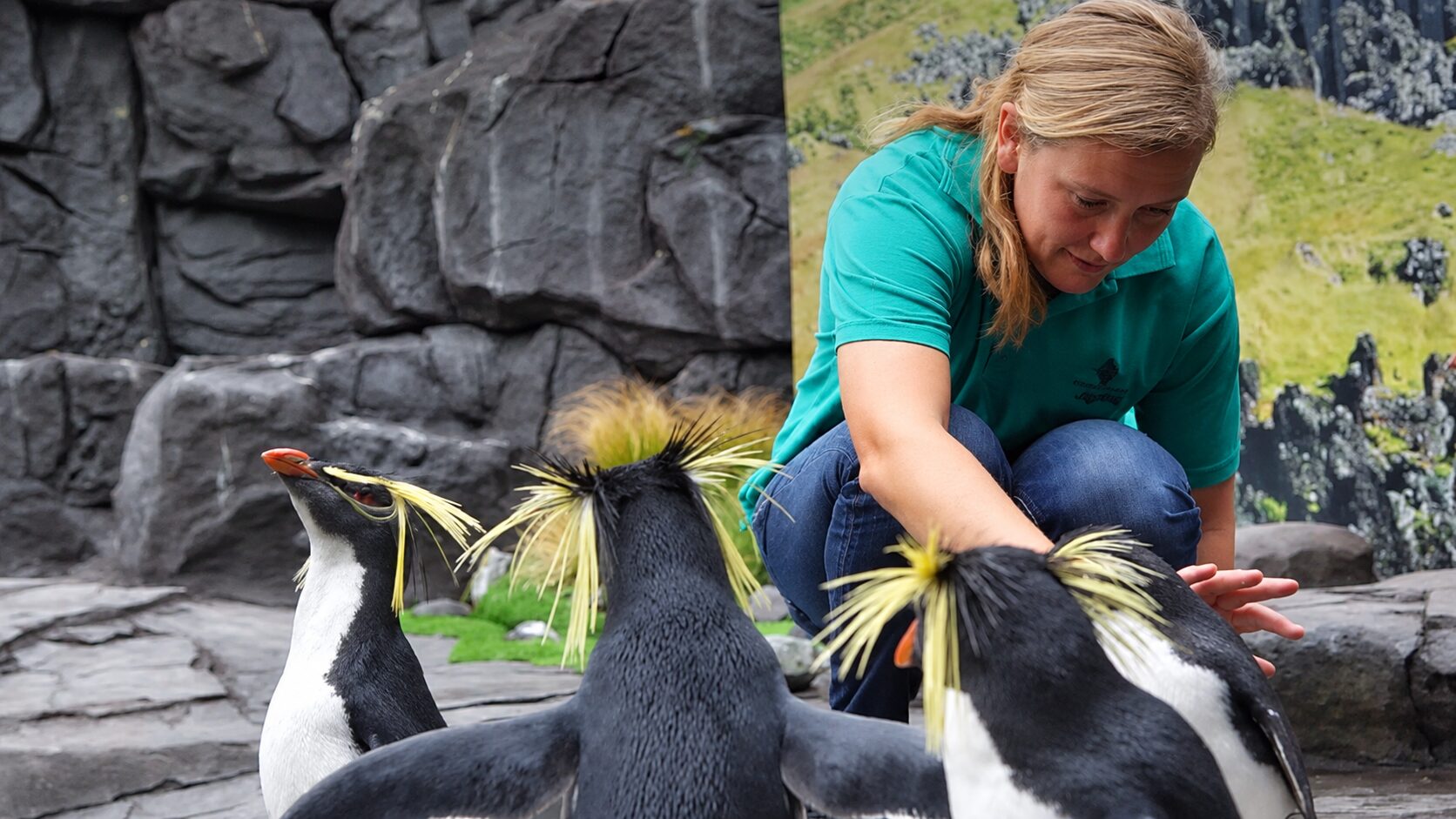
Conservation
Explore conservation internships in Cape Town across wildlife, marine conservation, biodiversity, habitat work, research and environmental education.
Learn more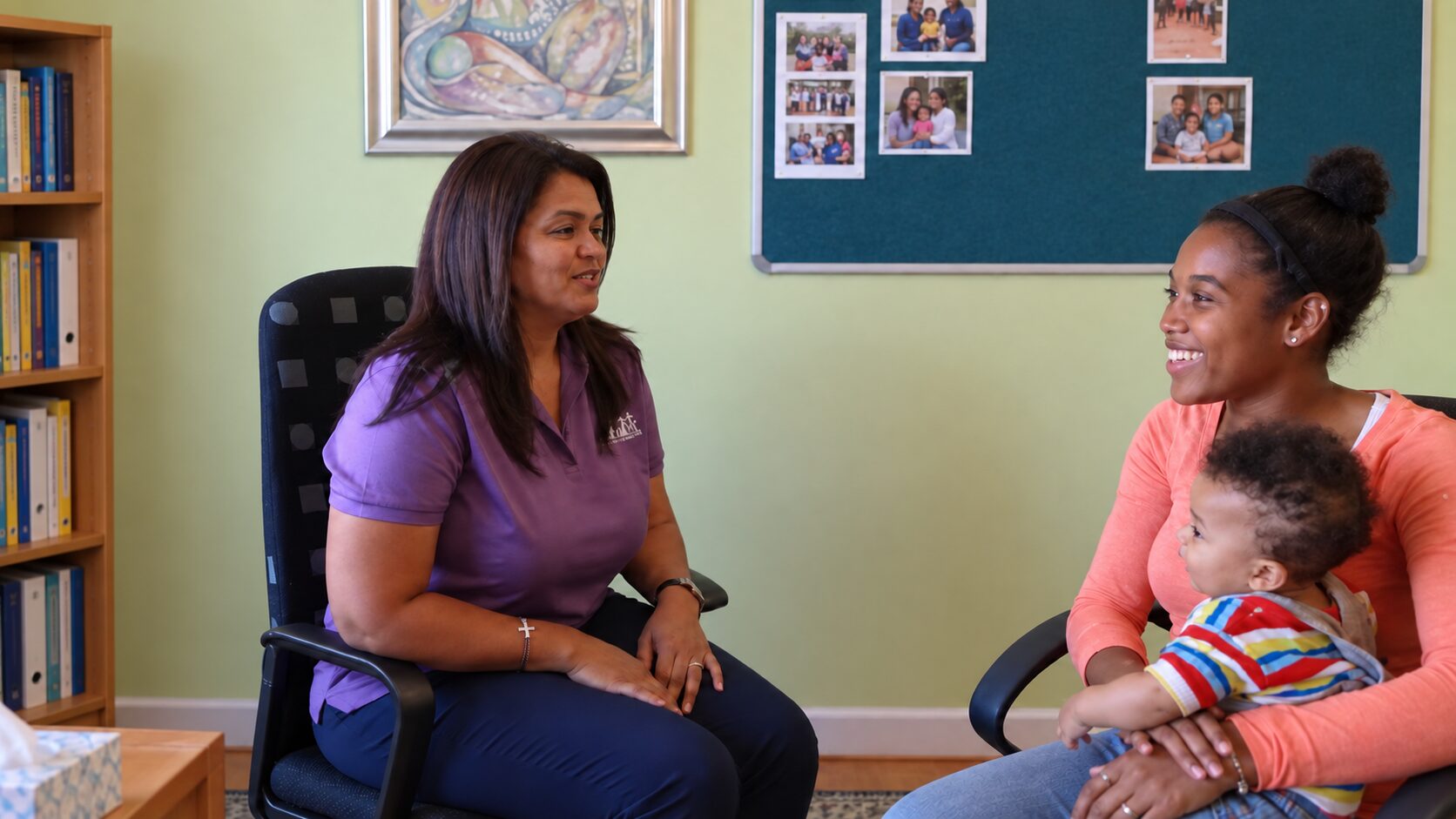
Counseling & Psychology
Explore Counseling & Psychology internships in Cape Town, from community-based mental-health and psychosocial placements to limited postgraduate Clinical Psychology opportunities.
Learn more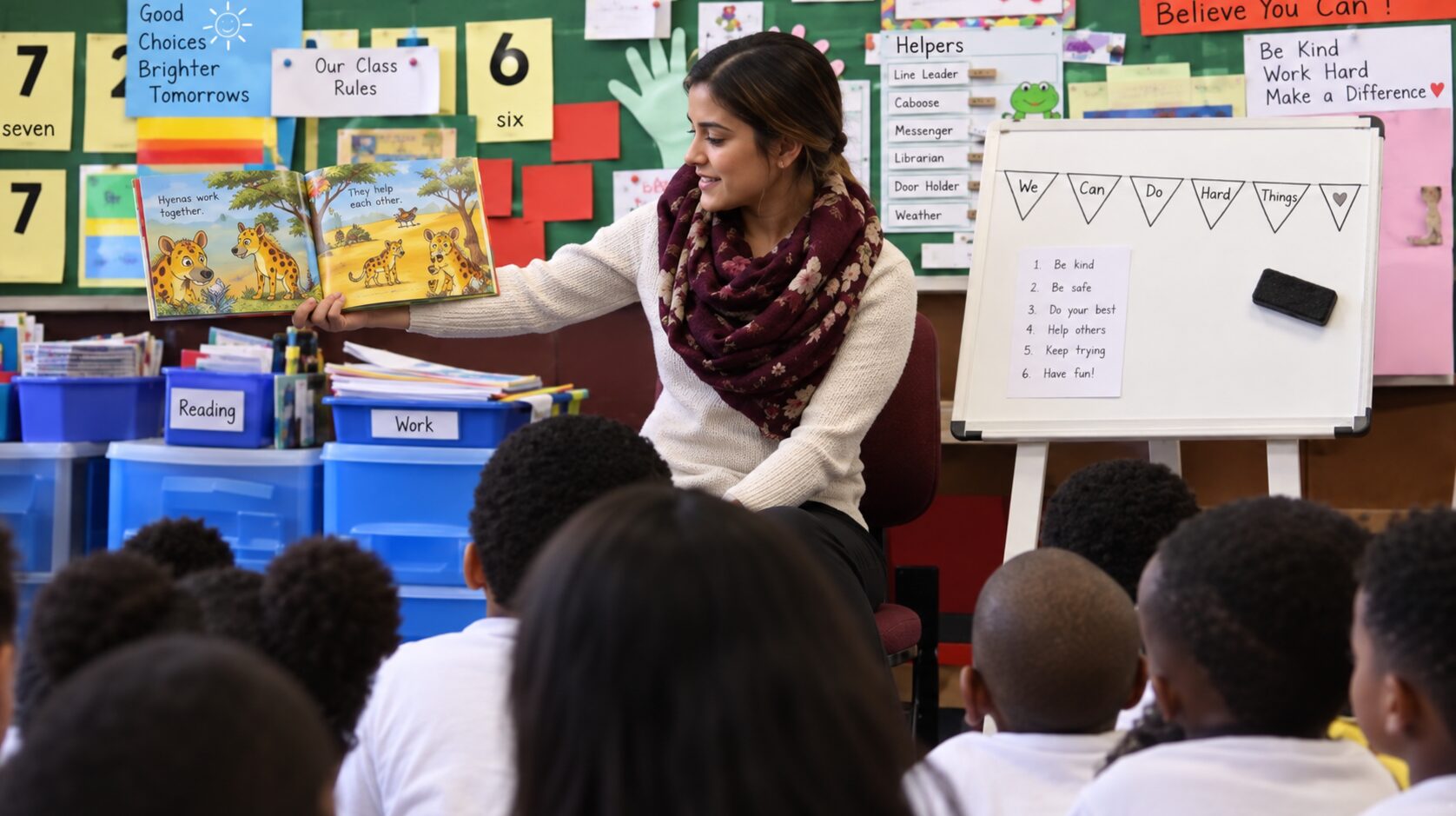
Education
Explore teaching and Education internships in Cape Town, South Africa. Gain practical experience in schools, classrooms and education programs with VAC.
Learn more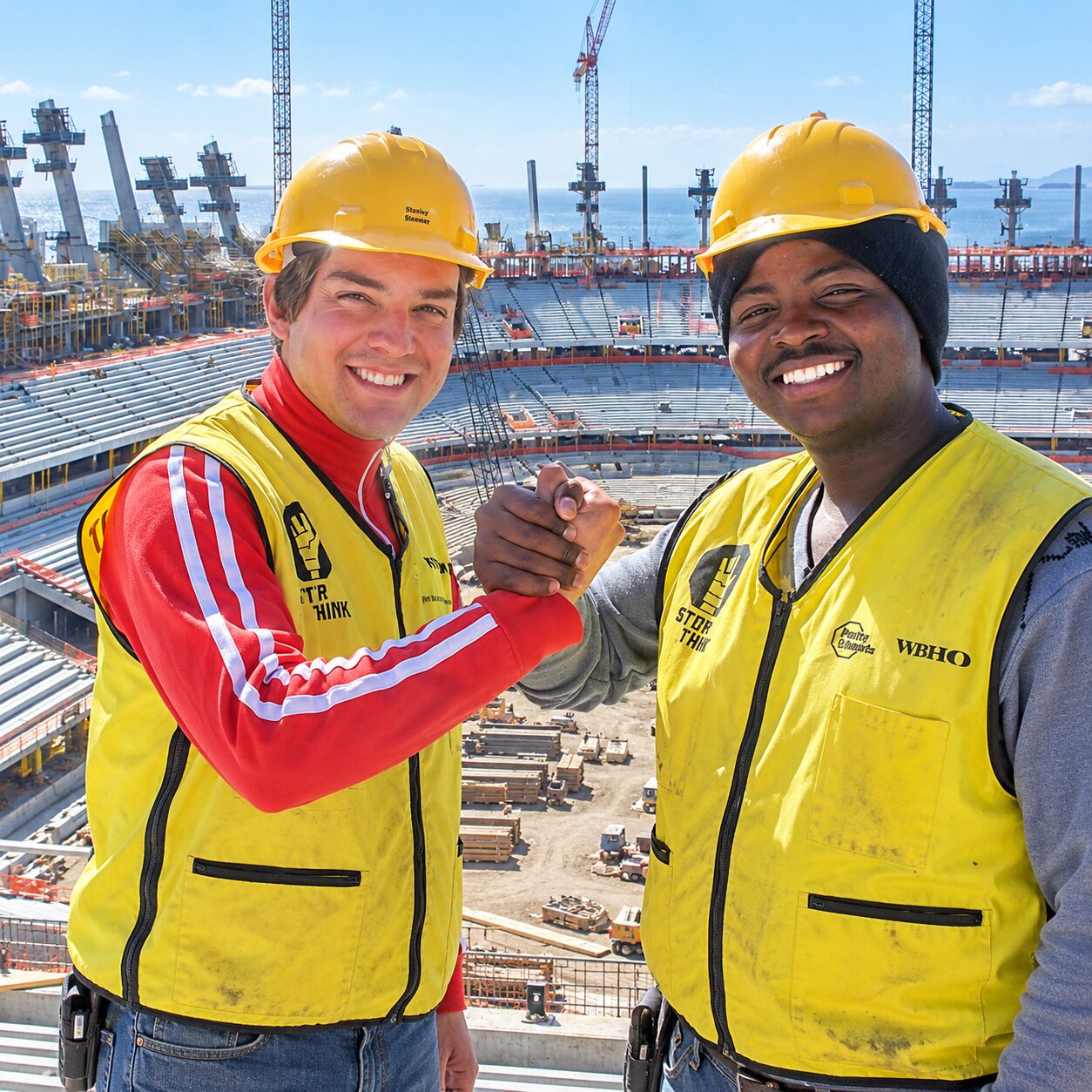
Engineering
Explore international engineering internships in Cape Town across mechanical, electrical, civil, mechatronics, product development, design, testing, and technical projects.
Learn more
Journalism
Explore Journalism internships abroad in Cape Town across reporting, radio, broadcast, digital journalism, and editorial work, with placements matched to your experience.
Learn more
Law
Explore law internships in Cape Town, South Africa, spanning human rights, public-interest, access-to-justice and civil or commercial legal work.
Learn more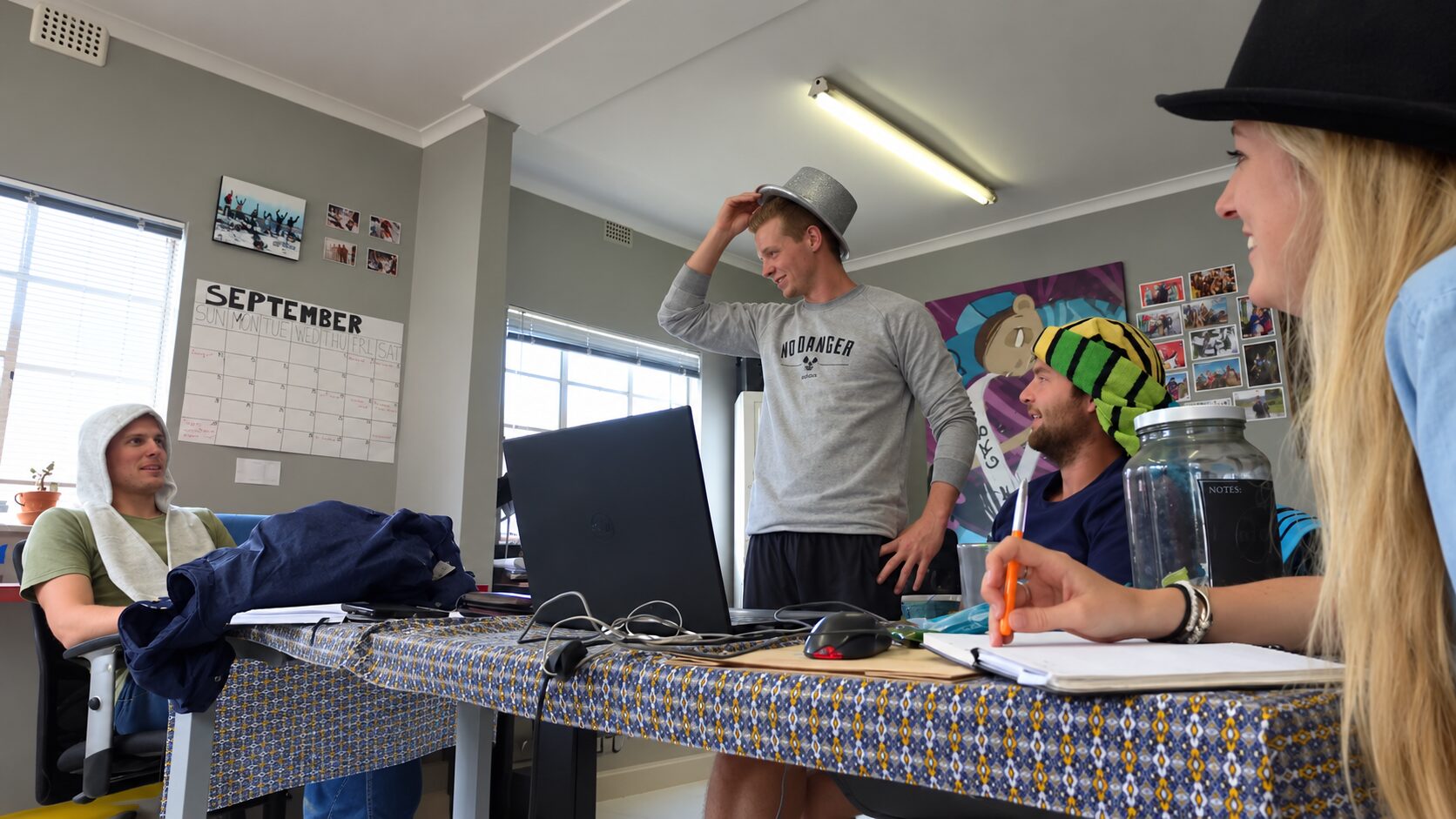
Marketing
Explore marketing internships abroad in Cape Town across digital marketing, communications, PR, social media, content, brand, campaigns, research, and events.
Learn more
Film & Media
Explore Film & Media internships abroad in Cape Town, with opportunities spanning production, editing, post-production, community media and digital storytelling.
Learn more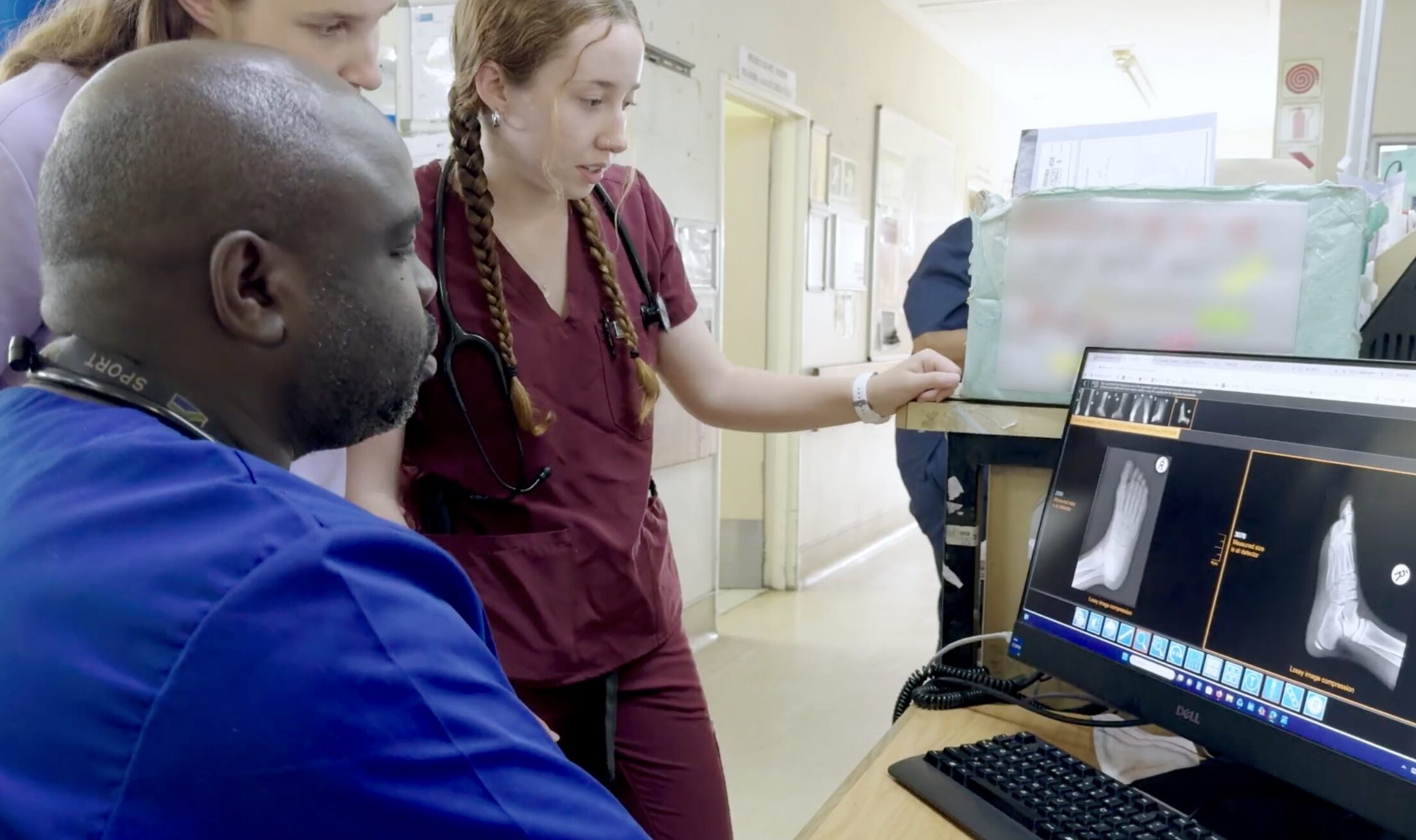
Medical
Step inside Cape Town’s public healthcare system through a Medical or Pre-Med internship, gaining supervised exposure to clinical teams, patient care and medicine in a very different healthcare context.
Learn more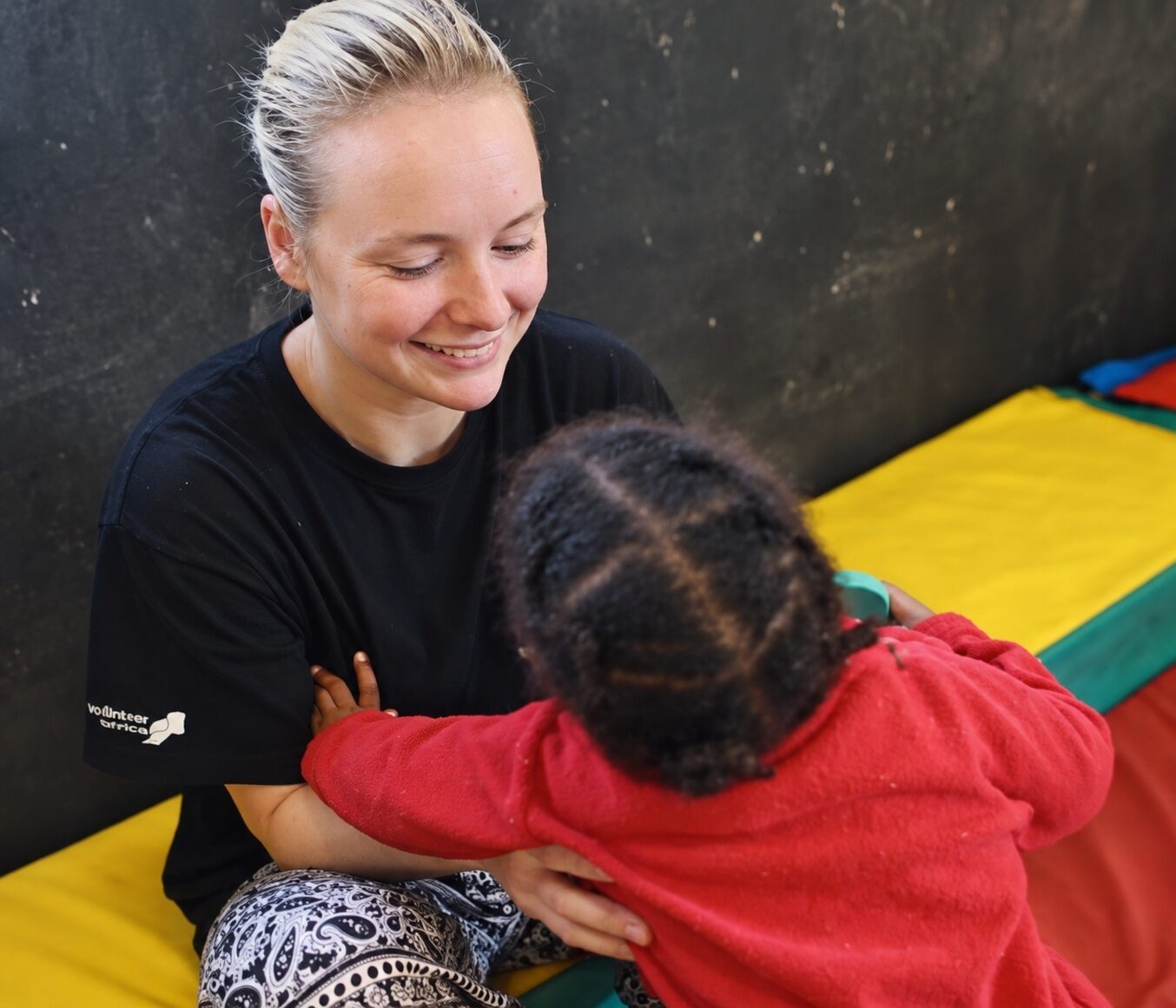
Occupational Therapy
Explore Occupational Therapy in Cape Town through placements developed around your background and stage of training. Opportunities may include pediatric, school-based, outpatient and rehabilitation settings, with supervision and involvement matched to your experience.
Learn more
Physical Therapy
Explore Physical Therapy in Cape Town through placements developed around your background and stage of training. Opportunities may include rehabilitation, pediatric, community and sports settings, with involvement matched to your experience and supervision.
Learn more
Political Science
Explore political science and public policy internships in Cape Town, South Africa, with opportunities in policy research, governance and international relations.
Learn more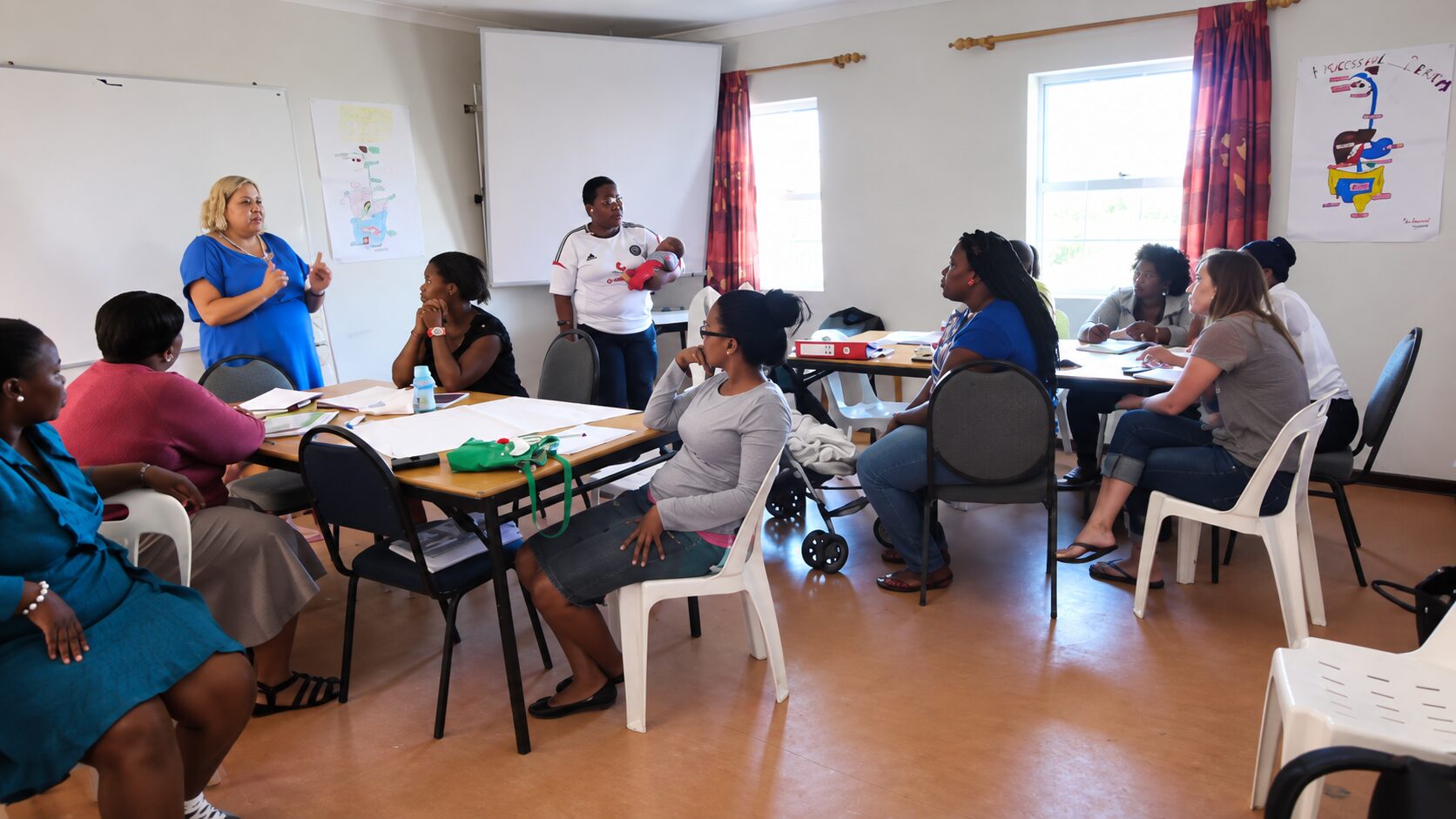
Public Health
Protect the vulnerable by collecting data, assisting workshops and expanding community health access.
Learn moreRefugee Work
Empower asylum seekers to help refugees access housing, employment, healthcare, and legal aid.
Learn moreSocial Work
Explore Social Work internships in Cape Town, South Africa, with supervised experience across community, youth, family and social-service programs.
Learn more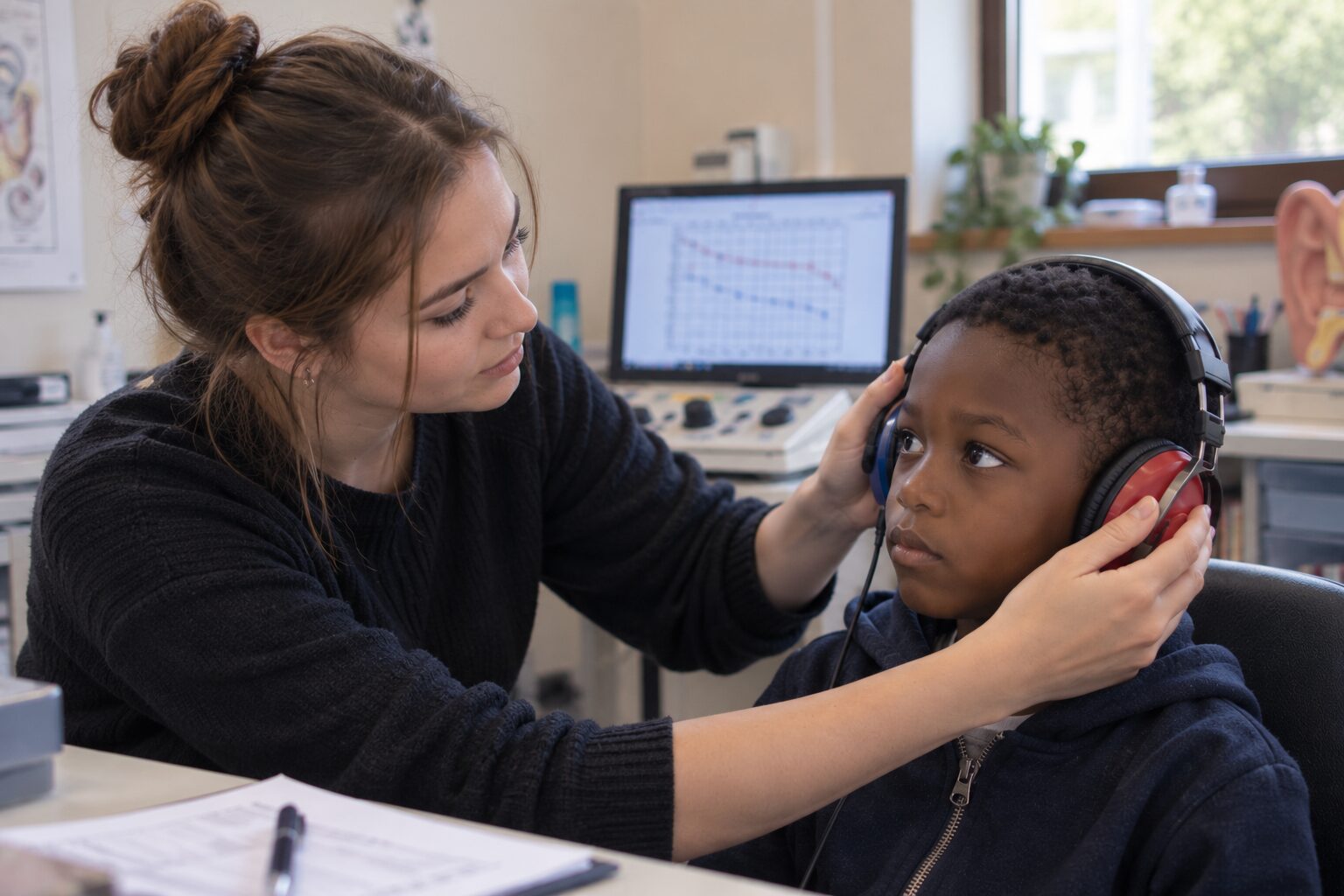
Speech Pathology & Audiology
Explore Speech Pathology or Audiology in Cape Town through placements shaped around your background and stage of training, from observation-focused experiences to formal clinical pathways for qualified students.
Learn more
Sports Management
Explore international Sports Management internships in Cape Town across sports programs, events, operations, marketing, youth sport, and business development.
Learn more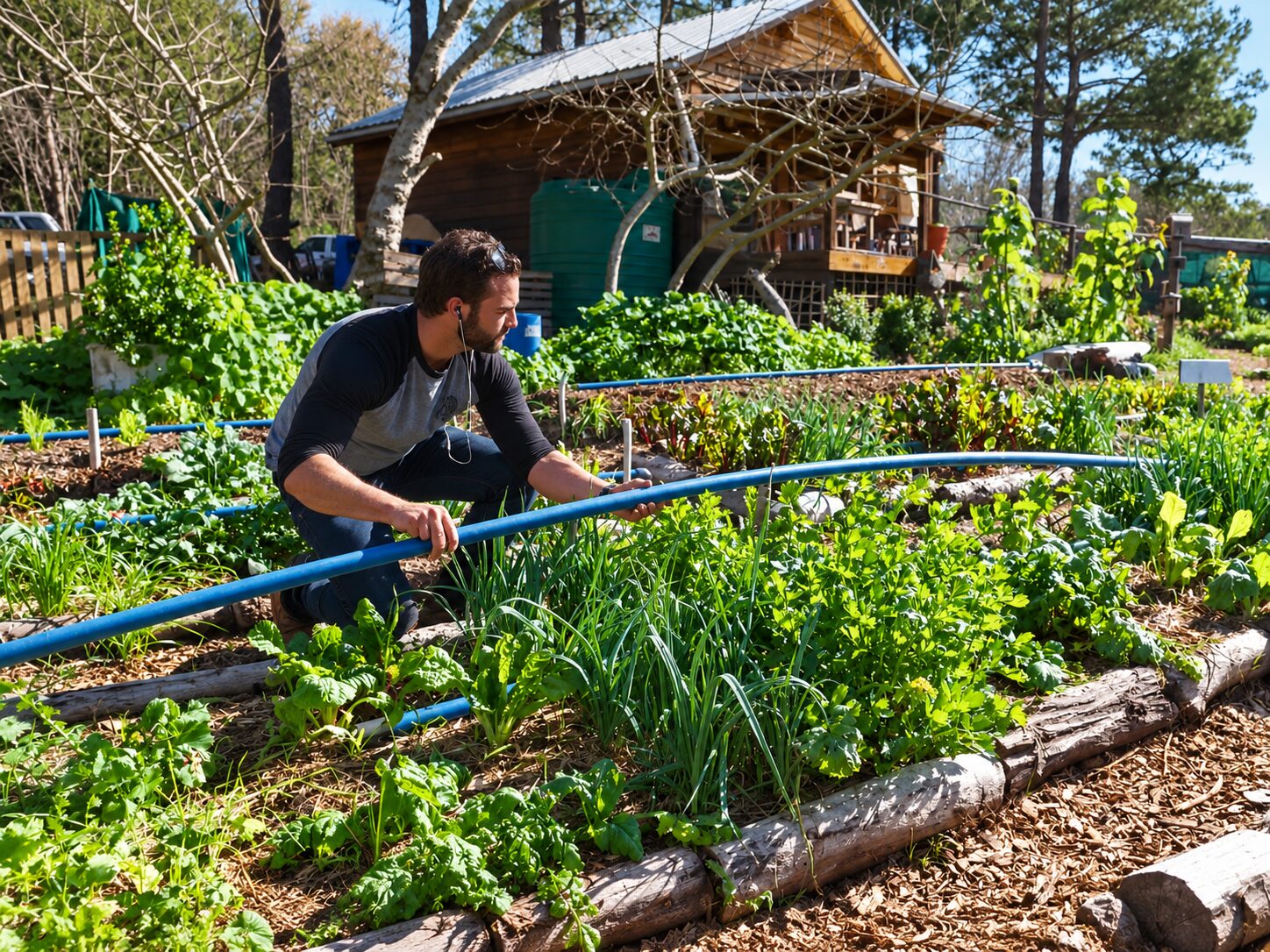
Sustainability
Explore sustainability internships in Cape Town focused on climate, environmental research, food security, urban agriculture, community programs, and sustainable development.
Learn more
Technology
Explore international technology internships in Cape Town across software development, web applications, data, product testing, digital systems, and related technical work.
Learn moreThe time is now to explore, connect, and invest in yourself in Cape Town. Let us match you with an experience that counts.
Explore other internships
Biotechnology
Explore biotechnology internships abroad in Cape Town focused on applied R&D, sustainable materials and biotech startups, matched to your background and skills.
Learn moreBusiness and Finance
Explore business and entrepreneurship internships in Cape Town across startups, business development, operations, market research and growth-focused roles.
Learn moreClean Energy
Explore clean energy internships in Cape Town focused on energy markets, policy, climate finance, consulting, research, and the clean-energy transition.
Learn moreConservation
Explore conservation internships in Cape Town across wildlife, marine conservation, biodiversity, habitat work, research and environmental education.
Learn moreCounseling & Psychology
Explore Counseling & Psychology internships in Cape Town, from community-based mental-health and psychosocial placements to limited postgraduate Clinical Psychology opportunities.
Learn moreEducation
Explore teaching and Education internships in Cape Town, South Africa. Gain practical experience in schools, classrooms and education programs with VAC.
Learn moreEngineering
Explore international engineering internships in Cape Town across mechanical, electrical, civil, mechatronics, product development, design, testing, and technical projects.
Learn moreJournalism
Explore Journalism internships abroad in Cape Town across reporting, radio, broadcast, digital journalism, and editorial work, with placements matched to your experience.
Learn moreLaw
Explore law internships in Cape Town, South Africa, spanning human rights, public-interest, access-to-justice and civil or commercial legal work.
Learn moreMarketing
Explore marketing internships abroad in Cape Town across digital marketing, communications, PR, social media, content, brand, campaigns, research, and events.
Learn moreFilm & Media
Explore Film & Media internships abroad in Cape Town, with opportunities spanning production, editing, post-production, community media and digital storytelling.
Learn moreMedical
Step inside Cape Town’s public healthcare system through a Medical or Pre-Med internship, gaining supervised exposure to clinical teams, patient care and medicine in a very different healthcare context.
Learn moreOccupational Therapy
Explore Occupational Therapy in Cape Town through placements developed around your background and stage of training. Opportunities may include pediatric, school-based, outpatient and rehabilitation settings, with supervision and involvement matched to your experience.
Learn morePhysical Therapy
Explore Physical Therapy in Cape Town through placements developed around your background and stage of training. Opportunities may include rehabilitation, pediatric, community and sports settings, with involvement matched to your experience and supervision.
Learn morePolitical Science
Explore political science and public policy internships in Cape Town, South Africa, with opportunities in policy research, governance and international relations.
Learn morePublic Health
Protect the vulnerable by collecting data, assisting workshops and expanding community health access.
Learn moreRefugee Work
Empower asylum seekers to help refugees access housing, employment, healthcare, and legal aid.
Learn moreSocial Work
Explore Social Work internships in Cape Town, South Africa, with supervised experience across community, youth, family and social-service programs.
Learn moreSpeech Pathology & Audiology
Explore Speech Pathology or Audiology in Cape Town through placements shaped around your background and stage of training, from observation-focused experiences to formal clinical pathways for qualified students.
Learn moreSports Management
Explore international Sports Management internships in Cape Town across sports programs, events, operations, marketing, youth sport, and business development.
Learn moreSustainability
Explore sustainability internships in Cape Town focused on climate, environmental research, food security, urban agriculture, community programs, and sustainable development.
Learn moreTechnology
Explore international technology internships in Cape Town across software development, web applications, data, product testing, digital systems, and related technical work.
Learn more