
INTERNSHIPS
International Engineering Internships in Cape Town
Gain practical engineering experience through an internship abroad in Cape Town, with opportunities across design, product development, technical research, testing, manufacturing, infrastructure, and engineering systems.
VAC develops your placement around your engineering discipline, technical background, interests, and the work a host organization is actively doing.
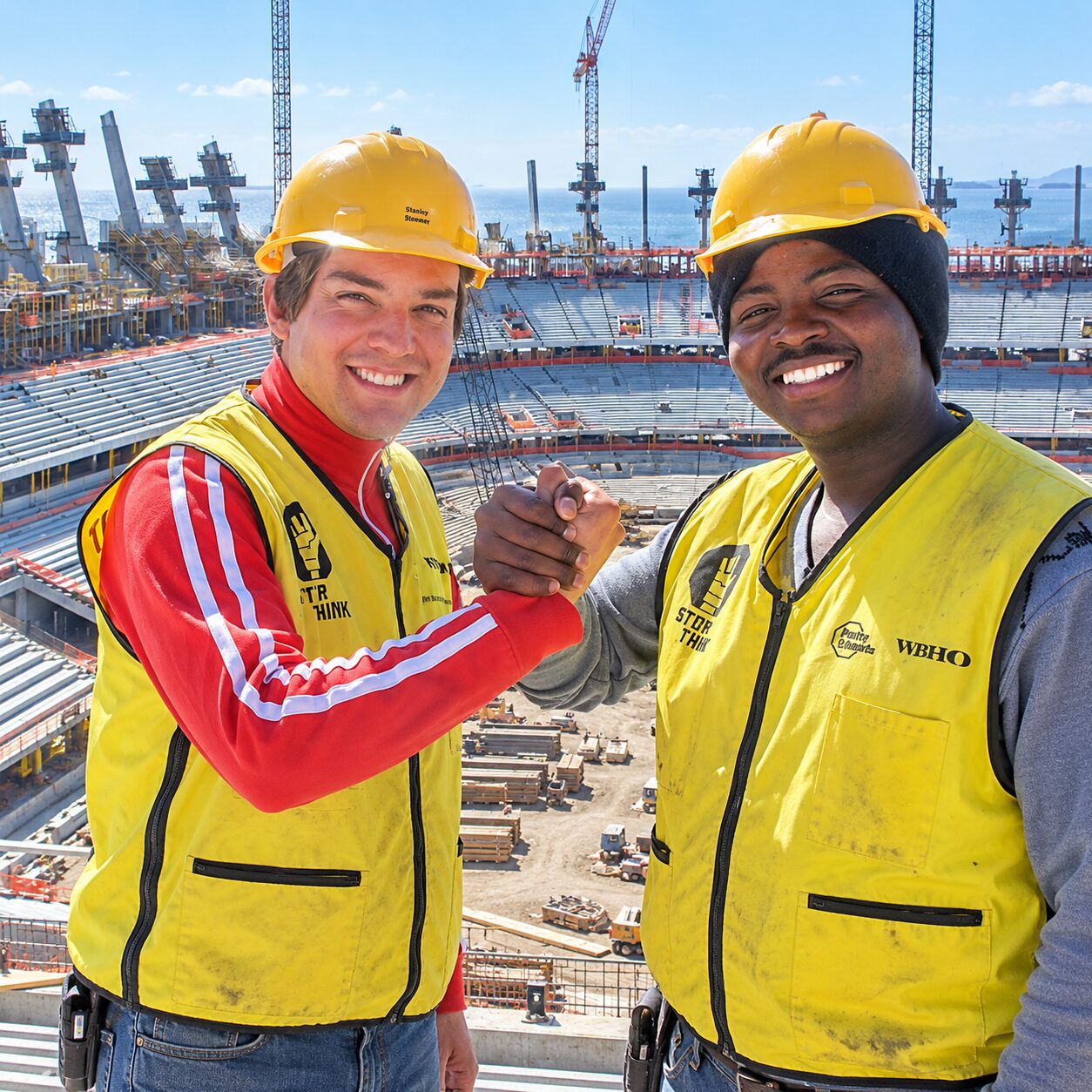
MULTIPLE ENGINEERING PATHWAYS
Explore mechanical, electrical, civil, mechatronics, product-development, energy, and related engineering work.
REAL TECHNICAL PROJECTS
Contribute to research, design support, modeling, testing, documentation, or product development.
MATCHED TO YOUR SKILLS
Your engineering background, projects, software experience, and technical abilities help shape the placement.
BEYOND ONE INDUSTRY
Engineering roles can sit within consultancies, manufacturers, startups, infrastructure, energy, and technology companies.
WHY CAPE TOWN?
Explore engineering across products, infrastructure, energy, and technology
Cape Town offers a varied engineering environment spanning infrastructure, manufacturing, product development, energy, electronics, technology, construction, and technical consulting.
That breadth creates opportunities to see how engineering moves from research and design through testing, production, implementation, and ongoing improvement.
Some placements are primarily office-based and analytical. Others may combine technical research with testing, project meetings, workshop activity, site exposure, or product development.
WHAT YOU MAY EXPERIENCE
Explore different areas of engineering
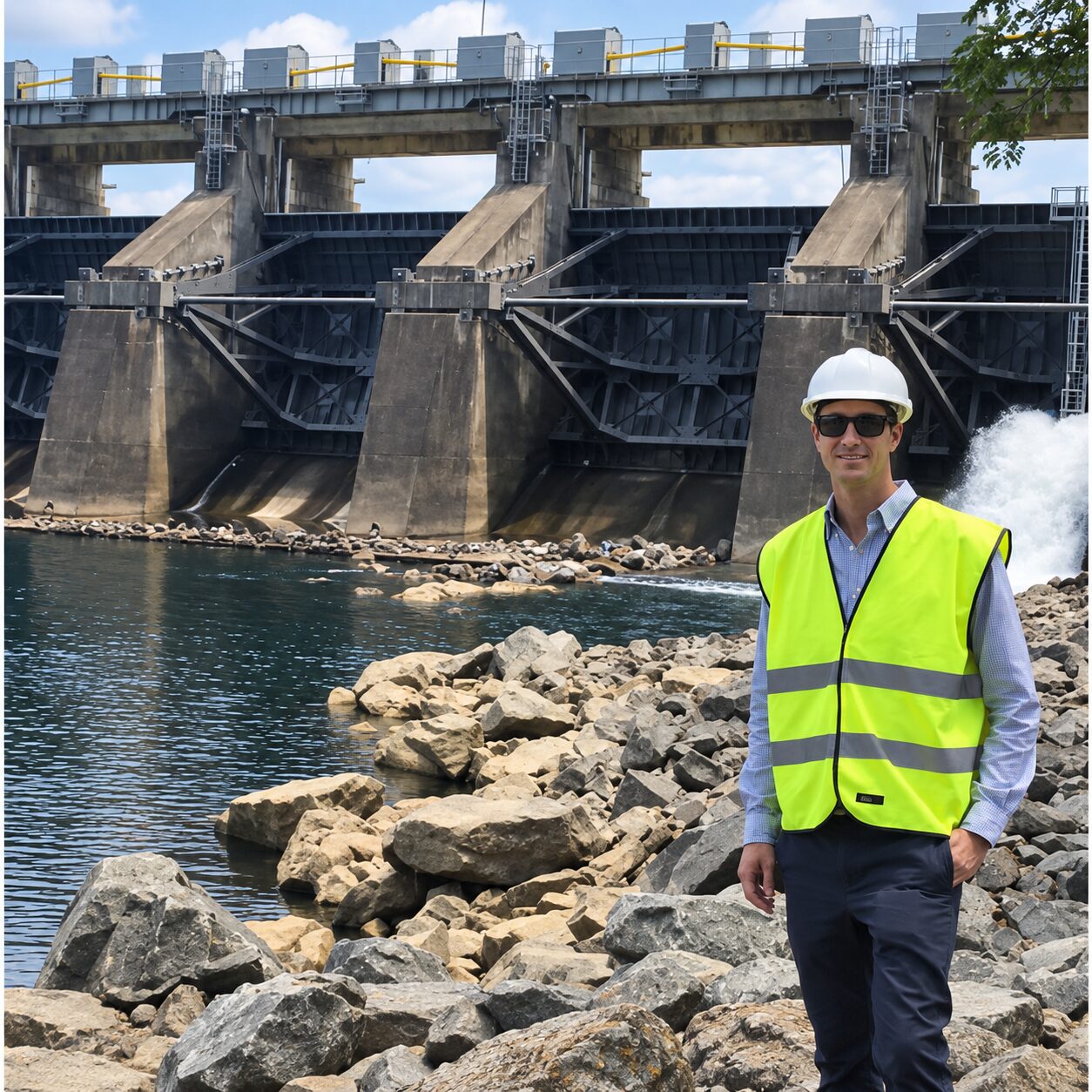
Mechanical, Mechatronics & Product Development
Work may involve mechanical design, product development, prototyping, manufacturing, automation, testing, or systems that combine mechanical, electronic, and software components.
Electrical, Electronic & Control Systems
Depending on your background, you may gain exposure to electronics, electrical systems, controls, schematics, testing, automation, or related engineering projects.
Civil, Structural & Infrastructure
Civil and structural opportunities may involve technical research, design support, drawings, calculations, infrastructure projects, construction-related work, or project documentation.
Energy, Materials & Emerging Engineering
Engineering placements can also involve energy systems, materials, manufacturing processes, aerospace-related work, or interdisciplinary technical projects.
WHAT YOU MAY DO
Apply your engineering knowledge to real projects
Your responsibilities will reflect your discipline, technical preparation, and the host organization’s current engineering work.
Research & Analyze
You may contribute to technical research, calculations, data analysis, feasibility work, standards research, or project scoping.
Design & Model
Work may include CAD, technical drawing, modeling, simulation, schematics, specifications, or supporting mechanical, structural, electrical, or product design.
Test & Improve
You may support prototyping, testing, quality assurance, manufacturing, product improvement, technical documentation, or field observations.
WHAT YOU BRING
Your engineering background helps shape the opportunity
Engineering is a technical field, so your academic preparation and practical skills are especially important when developing your placement.
Starting Out
Less-experienced participants may be suited to technical research, documentation, project support, observation, or introductory engineering work where the host can provide appropriate supervision.
Building Engineering Experience
University students may be able to contribute to calculations, CAD, modeling, technical research, design support, testing, documentation, or project work related to their discipline.
Strong Technical Preparation
Previous engineering projects, CAD experience, electronics, programming, simulation, laboratory or workshop experience, or a technical portfolio can help open up more specialized possibilities.
Engineering, Technology or Clean Energy?
Engineering, Technology, and Clean Energy can overlap, especially in areas such as renewable energy, automation, electronics, data, embedded systems, infrastructure, and product development.
A Technology internship generally centers on software, programming, applications, data, or digital systems.
An Engineering internship generally centers on physical products, infrastructure, mechanical or electrical systems, hardware, technical design, manufacturing, testing, or engineering analysis.
A Clean Energy internship is generally the stronger fit when the work centers on energy markets, renewable-energy research, energy transition, sustainability strategy, climate or energy policy, project research, or related commercial and analytical work.
Technical renewable-energy projects can sit within Engineering when the main focus is design, systems, hardware, infrastructure, testing, or engineering analysis.
VAC classifies the internship according to the work you’ll actually be doing and the skills you want to develop.
WHO THIS IS FOR
Engineering experience at different stages
Gap Year Participants
Engineering can be possible for well-prepared Gap Year participants, particularly where they already have a strong technical interest, practical projects, coding, design, electronics, or related experience.
Introductory research, documentation, or project-support opportunities may also be appropriate.
University Students
Engineering internships are particularly well suited to students studying mechanical, electrical, electronic, civil, structural, mechatronics, aerospace, materials, manufacturing, product design, energy, or related disciplines.
Your current coursework and technical skills help guide the placement search.
Graduates & Postgraduates
More experienced candidates may be suitable for deeper work involving design, simulation, technical analysis, systems integration, prototyping, testing, manufacturing, energy systems, or other specialized engineering projects.
WHY VAC FOR ENGINEERING INTERNSHIPS?
An engineering placement shaped around your discipline
Engineering roles can differ significantly depending on the field, organization, project, and participant.
VAC develops placements locally in Cape Town around your discipline, technical background, experience, interests, and the type of engineering work you want to explore.
We Look at Your Engineering Focus
A mechanical engineering student needs a different placement search from someone studying electronics, civil engineering, materials, or product development.
Your Technical Skills Matter
CAD, electronics, programming, simulation, laboratory experience, previous projects, or a technical portfolio can all help us identify opportunities at the right level.
We Match to Current Work
Engineering projects develop in stages. We look for organizations whose current design, research, testing, production, or technical work aligns with your background and interests.
PLAN YOUR INTERNSHIP
Program options, dates and practical details
STANDARD INTERNSHIP PROGRAM
Flexible participation within VAC’s standard internship program.
GAP YEAR INTERNSHIP PROGRAM
A fixed-date cohort program with one- or two-term options.
PROGRAM HOUSING
Private bedrooms in shared participant housing in Observatory, Cape Town. Housing is arranged separately and is not included in the VAC program fee.
UNPAID INTERNSHIPS
VAC internships are unpaid professional learning experiences rather than paid employment.
WHAT THE PROGRAM INCLUDES
Placement matching, pre-arrival preparation, orientation, airport services, weekly activities and local VAC support.
ACADEMIC CREDIT
Optional academic-credit pathways are available. Credit fees are separate, and transfer is determined by your home institution.
ENGINEERING INTERN STORIES
Hear from past VAC Engineering interns
ENGINEERING INTERNSHIP FAQS
Questions about Engineering internships in Cape Town
What kinds of Engineering internships can VAC arrange in Cape Town?
Engineering placements may involve mechanical, electrical, electronic, civil, structural, mechatronics, product-development, manufacturing, materials, energy, aerospace-related, or other engineering work.
Your discipline, technical background, and the host organization’s current projects all help shape the placement.
Do I need to be studying engineering?
For most specialized engineering roles, relevant university study or demonstrated technical competence is important.
Some introductory research, documentation, project-support, or observational opportunities may also suit less-experienced participants where there is an appropriate learning environment.
Should I send VAC examples of my engineering work?
Yes, if you have them.
CAD work, technical drawings, design projects, electronics projects, coding, simulations, laboratory work, prototypes, or a technical portfolio can help us understand your abilities and interests.
Can I do a mechanical engineering internship?
Yes. Mechanical engineering is an established VAC placement pathway and may involve design, product development, manufacturing, prototyping, testing, analysis, or related technical work.
Can I do an electrical or electronic engineering internship?
Yes. Opportunities may involve electrical systems, electronics, controls, automation, schematics, testing, technical research, or product-development work.
Can I do a civil or structural engineering internship?
Civil and structural engineering are supported pathways.
Depending on the placement, work may involve technical research, design support, calculations, drafting, documentation, infrastructure projects, or site-related exposure.
Will I get to use CAD or engineering software?
CAD, modeling, simulation, and technical software may form part of some placements.
The tools involved reflect the host, the project, and your existing skills, so it is helpful to tell VAC which software you already know.
Will my Engineering internship involve site visits or practical work?
It can.
Some roles include workshops, testing, manufacturing, field observations, site visits, or practical project work, while others are more design-, research-, or office-based.
Can Engineering internships involve renewable energy?
Yes. Technical work involving energy systems, electrical systems, infrastructure, or engineering analysis can sit within Engineering.
Broader sustainability research, climate policy, communications, or program work generally sits within Sustainability or Clean Energy.
Can Gap Year participants apply?
Yes, where an appropriate role can be developed.
Previous projects, technical interests, design skills, electronics, coding, or other relevant experience can be particularly helpful.
Are Engineering internships paid?
No. VAC internships are unpaid professional learning experiences.
The time is now to explore, connect, and invest in yourself in Cape Town. Let us match you with an experience that counts.
Explore other internships

Biotechnology
Explore biotechnology internships abroad in Cape Town focused on applied R&D, sustainable materials and biotech startups, matched to your background and skills.
Learn more
Business and Finance
Explore business and entrepreneurship internships in Cape Town across startups, business development, operations, market research and growth-focused roles.
Learn more
Clean Energy
Explore clean energy internships in Cape Town focused on energy markets, policy, climate finance, consulting, research, and the clean-energy transition.
Learn more
Conservation
Explore conservation internships in Cape Town across wildlife, marine conservation, biodiversity, habitat work, research and environmental education.
Learn more
Counseling & Psychology
Explore Counseling & Psychology internships in Cape Town, from community-based mental-health and psychosocial placements to limited postgraduate Clinical Psychology opportunities.
Learn more
Education
Explore teaching and Education internships in Cape Town, South Africa. Gain practical experience in schools, classrooms and education programs with VAC.
Learn more
Gap Year
Preview future careers interning in your field of choice while enjoying life-expanding adventures.
Learn more
Human Rights & Community Advocacy
Advocate for the vulnerable assisting organizations protecting rights and services for marginalized groups.
Learn more
Journalism
Explore Journalism internships abroad in Cape Town across reporting, radio, broadcast, digital journalism, and editorial work, with placements matched to your experience.
Learn more
Law
Explore law internships in Cape Town, South Africa, spanning human rights, public-interest, access-to-justice and civil or commercial legal work.
Learn more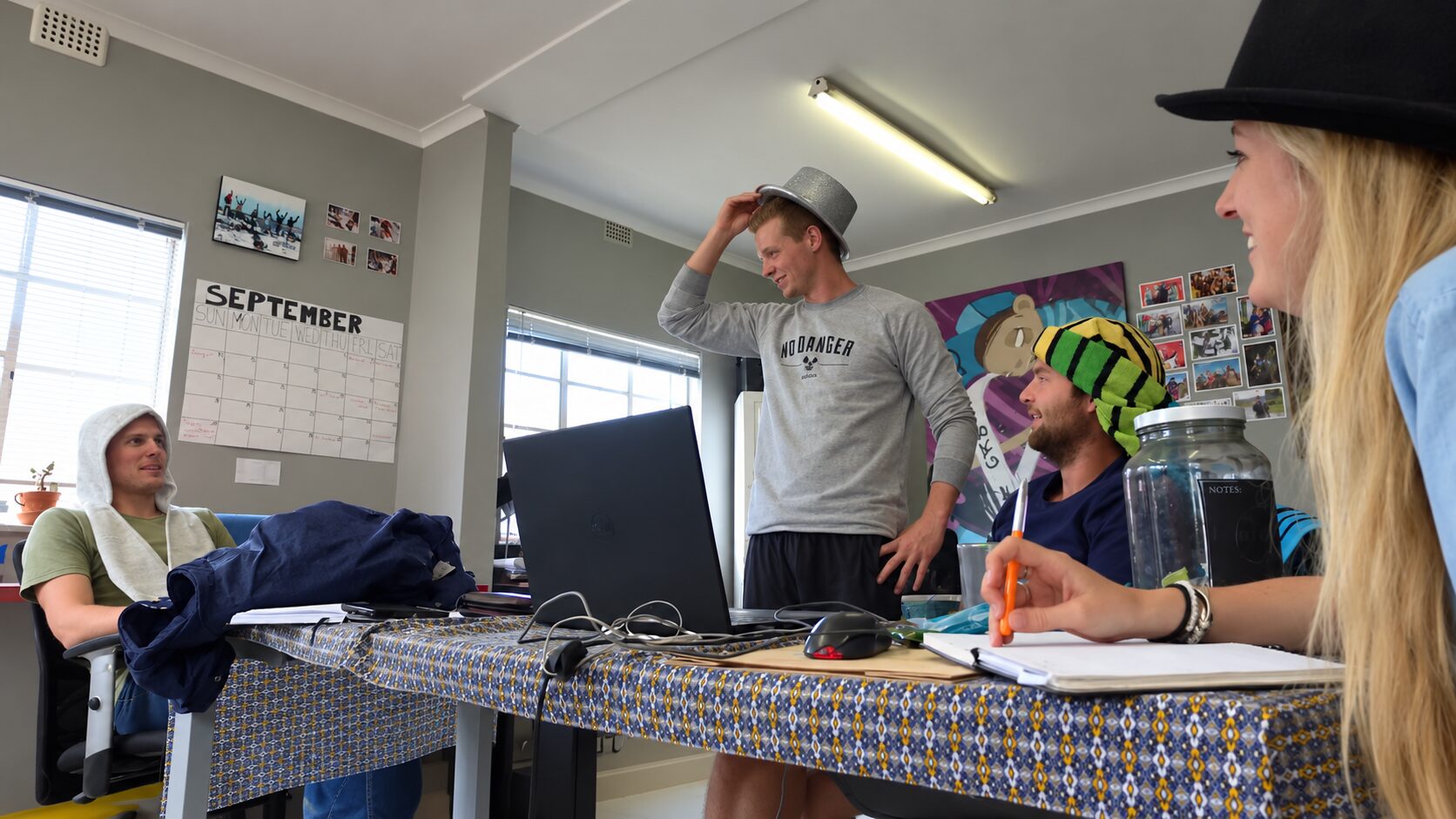
Marketing
Explore marketing internships abroad in Cape Town across digital marketing, communications, PR, social media, content, brand, campaigns, research, and events.
Learn more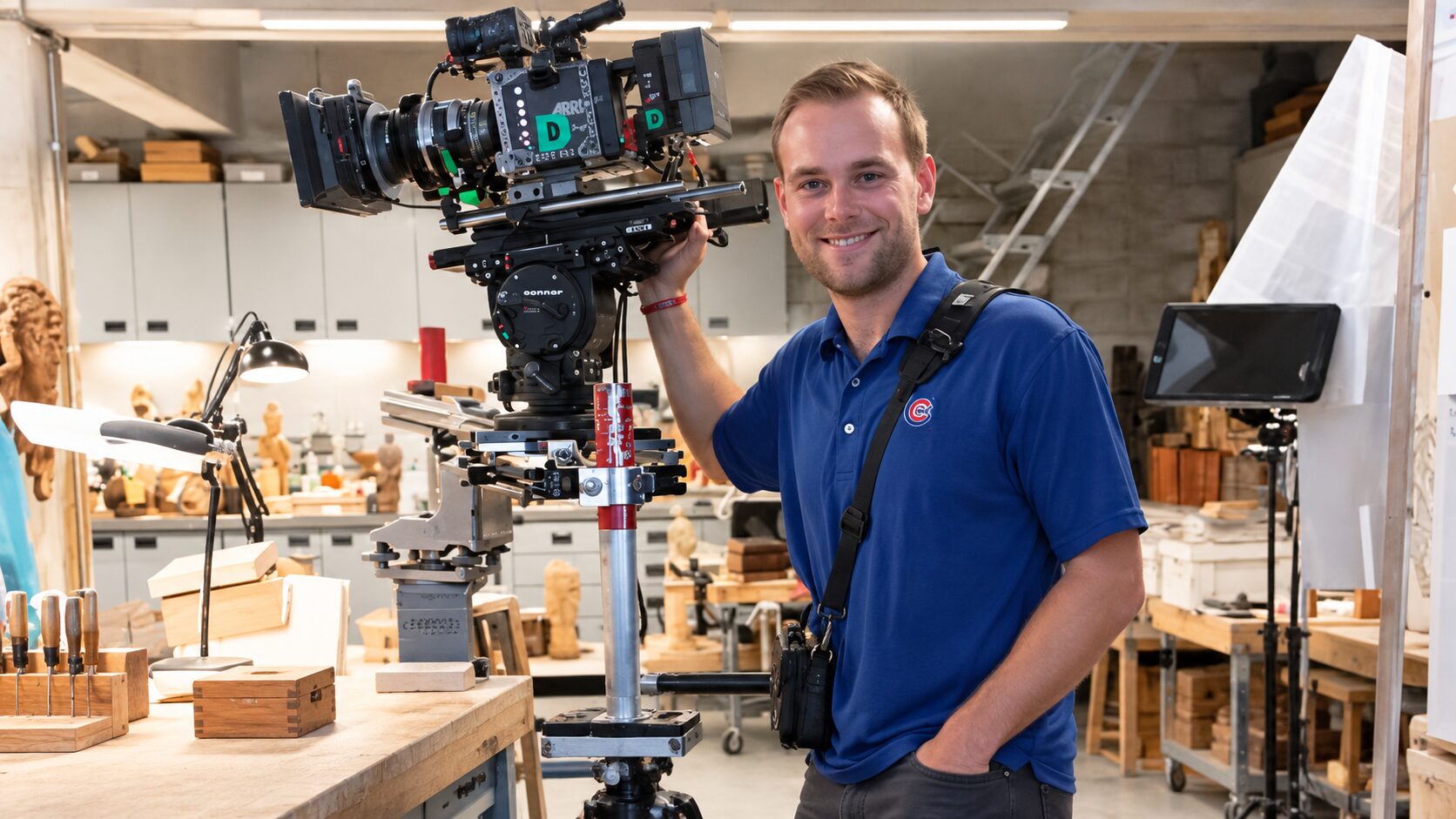
Film & Media
Explore Film & Media internships abroad in Cape Town, with opportunities spanning production, editing, post-production, community media and digital storytelling.
Learn more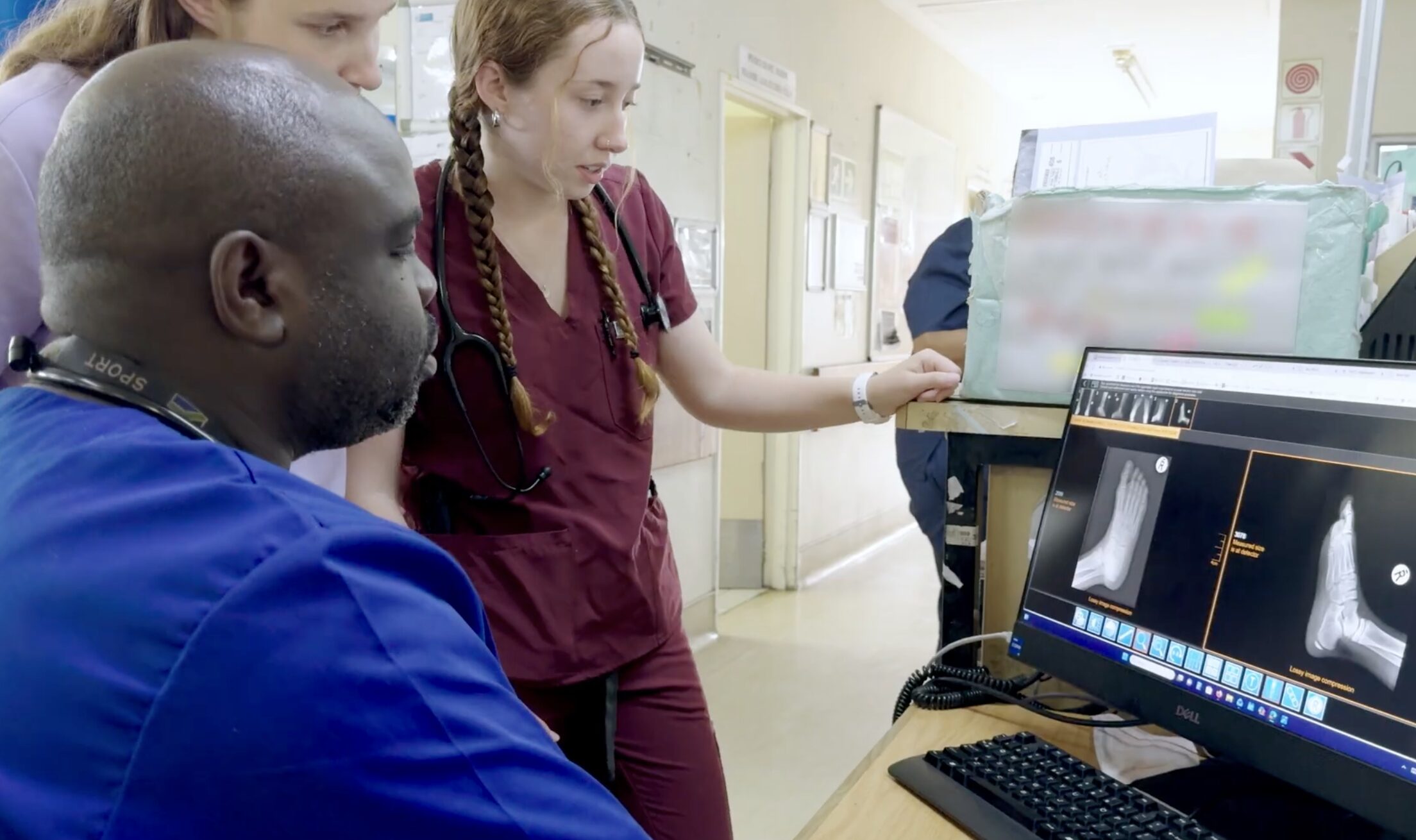
Medical
Step inside Cape Town’s public healthcare system through a Medical or Pre-Med internship, gaining supervised exposure to clinical teams, patient care and medicine in a very different healthcare context.
Learn more
Occupational Therapy
Explore Occupational Therapy in Cape Town through placements developed around your background and stage of training. Opportunities may include pediatric, school-based, outpatient and rehabilitation settings, with supervision and involvement matched to your experience.
Learn more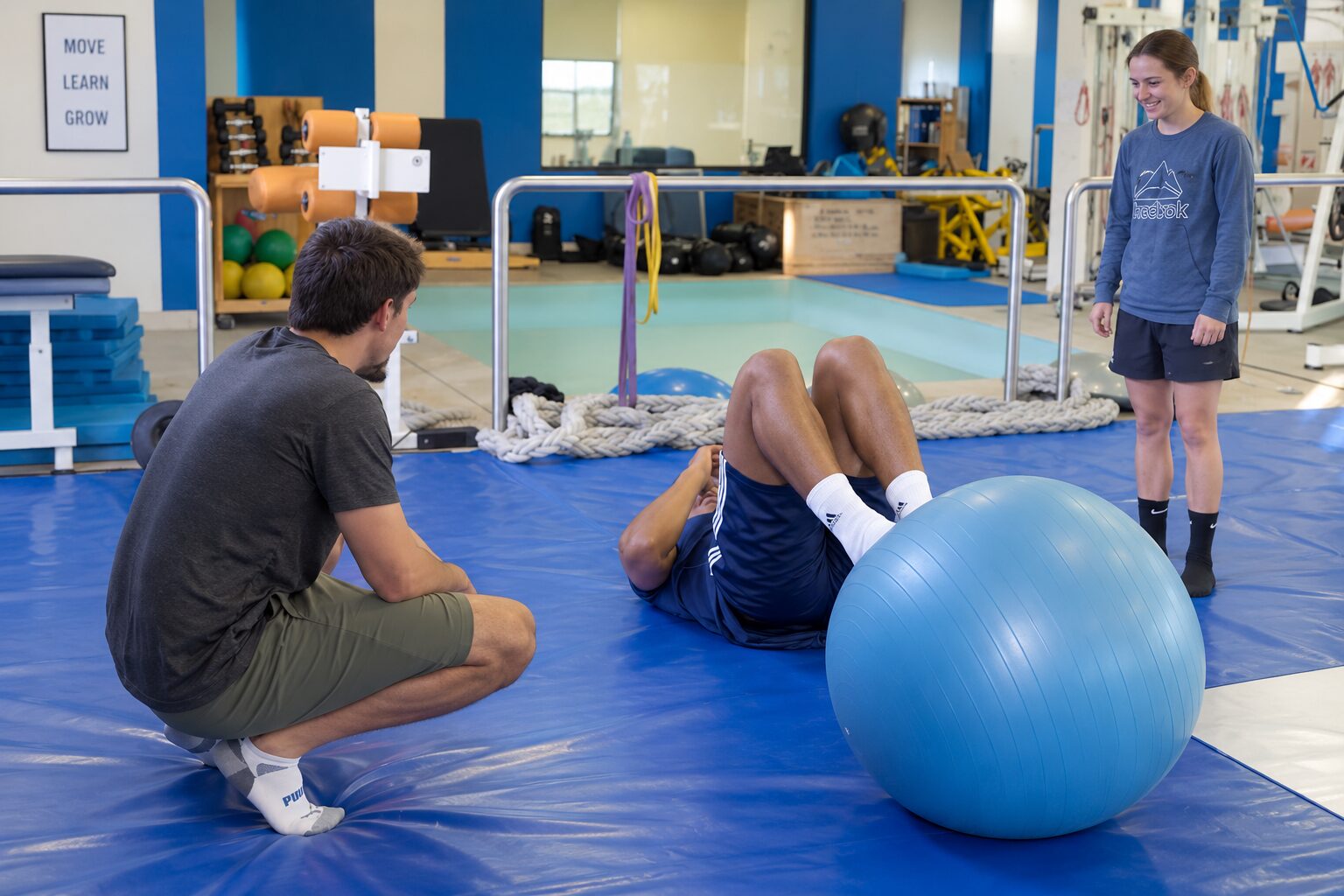
Physical Therapy
Explore Physical Therapy in Cape Town through placements developed around your background and stage of training. Opportunities may include rehabilitation, pediatric, community and sports settings, with involvement matched to your experience and supervision.
Learn more
Political Science
Explore political science and public policy internships in Cape Town, South Africa, with opportunities in policy research, governance and international relations.
Learn more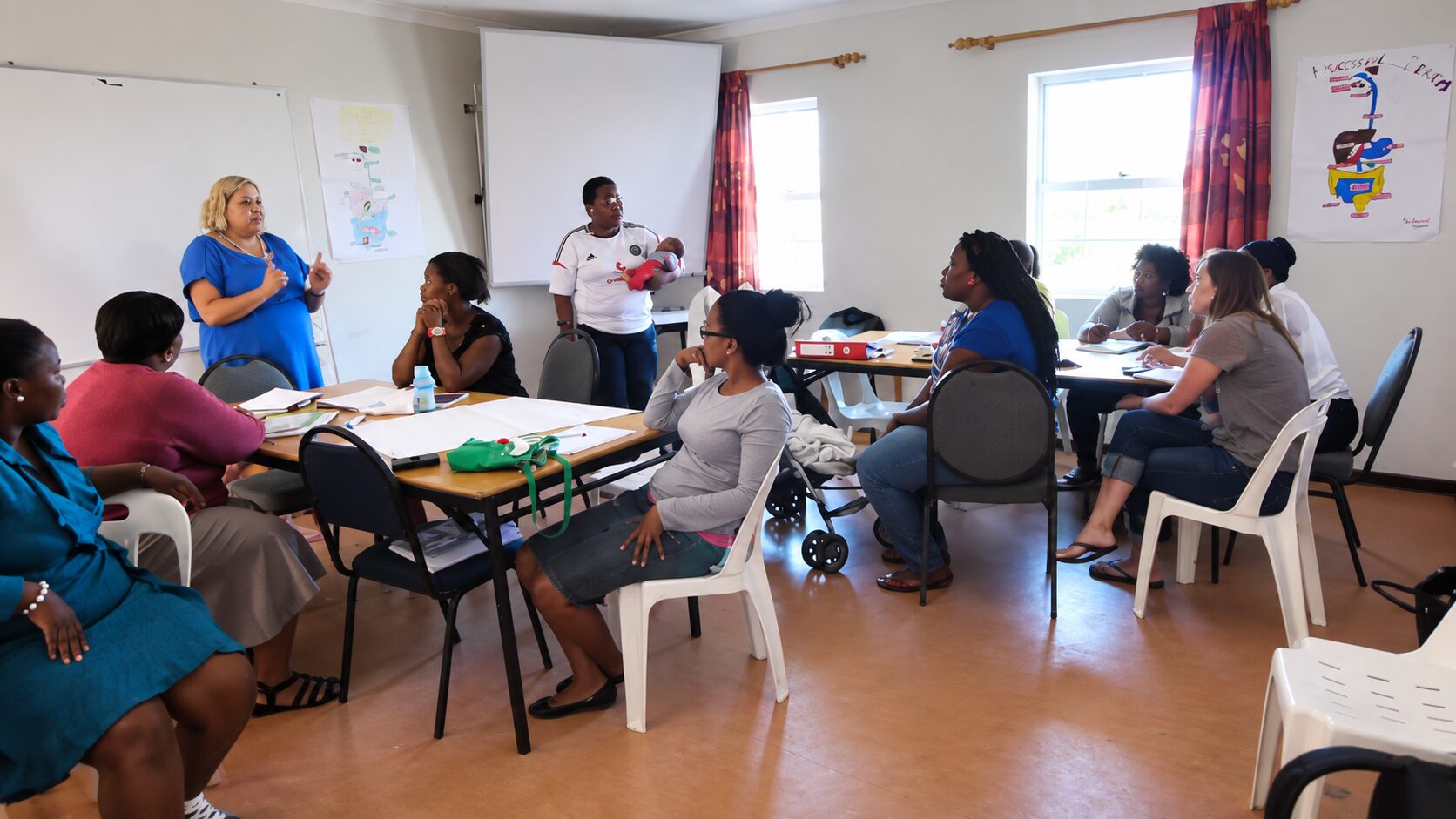
Public Health
Protect the vulnerable by collecting data, assisting workshops and expanding community health access.
Learn more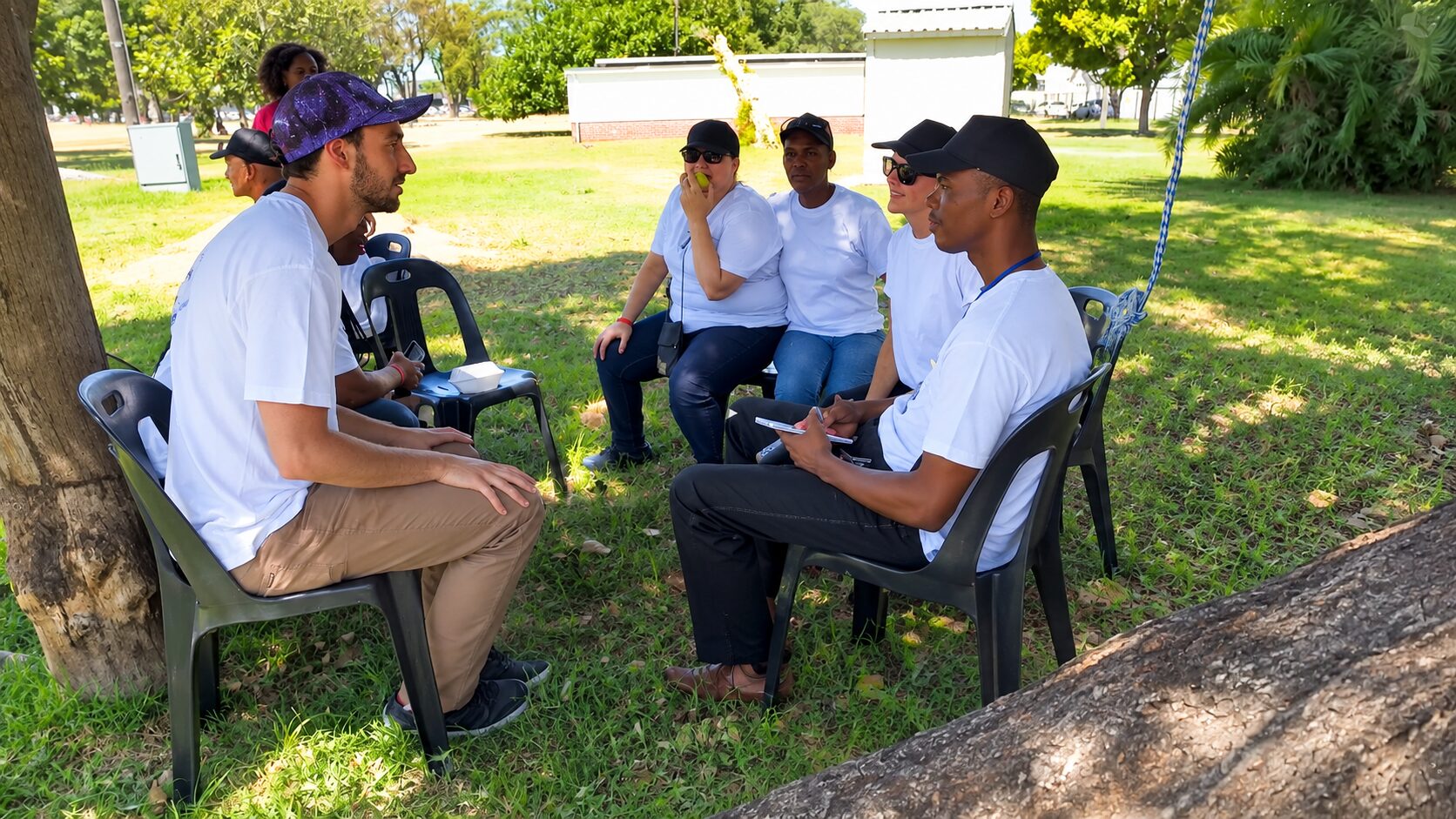
Refugee Work
Empower asylum seekers to help refugees access housing, employment, healthcare, and legal aid.
Learn moreSocial Work
Explore Social Work internships in Cape Town, South Africa, with supervised experience across community, youth, family and social-service programs.
Learn more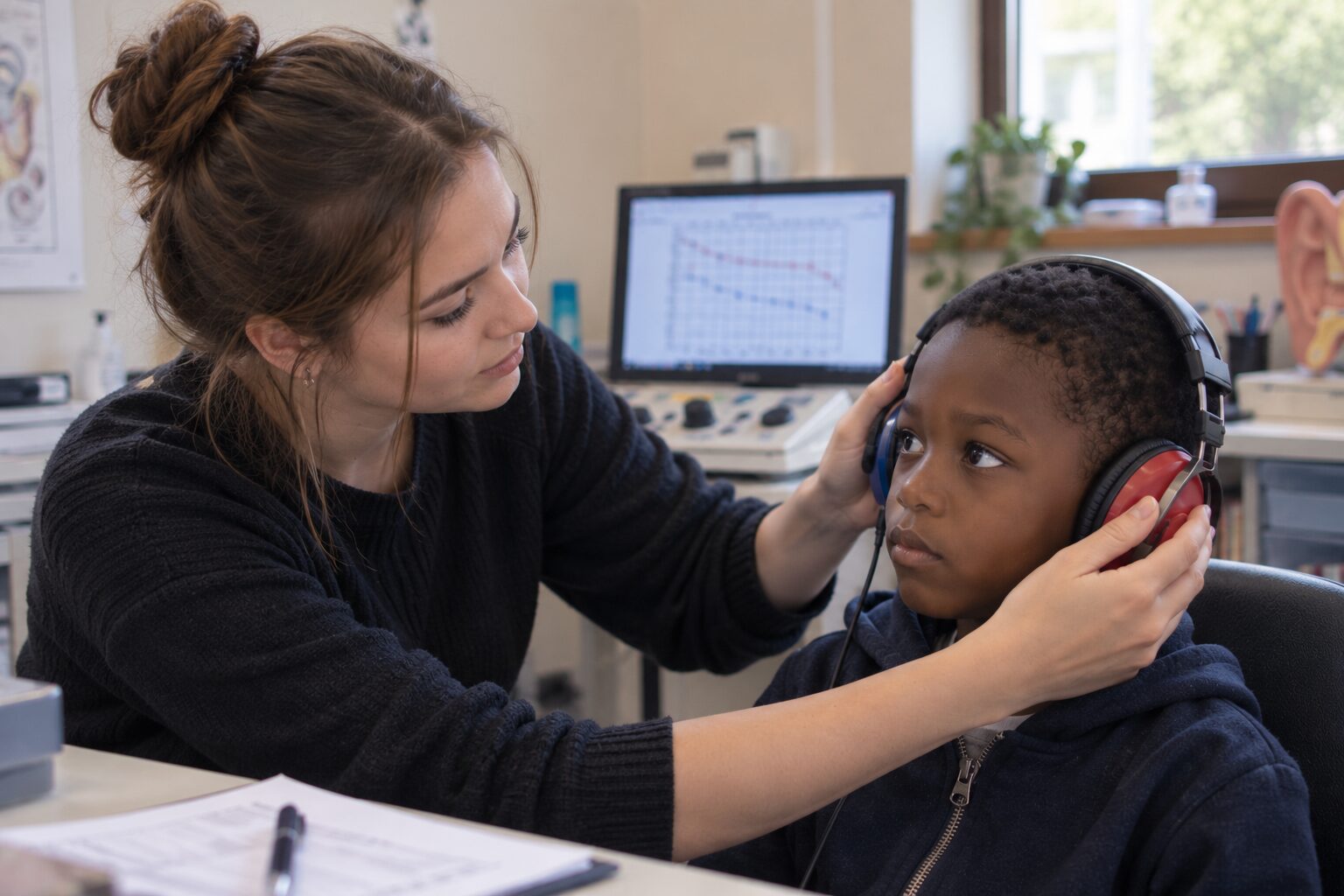
Speech Pathology & Audiology
Explore Speech Pathology or Audiology in Cape Town through placements shaped around your background and stage of training, from observation-focused experiences to formal clinical pathways for qualified students.
Learn more
Sports Management
Explore international Sports Management internships in Cape Town across sports programs, events, operations, marketing, youth sport, and business development.
Learn moreSustainability
Explore sustainability internships in Cape Town focused on climate, environmental research, food security, urban agriculture, community programs, and sustainable development.
Learn more
Technology
Explore international technology internships in Cape Town across software development, web applications, data, product testing, digital systems, and related technical work.
Learn more