
REFUGEE & MIGRATION INTERNSHIPS
Refugee & Migration Internships in Cape Town
If refugee and migration issues are an important part of what you want to understand during an internship abroad, Cape Town offers a particularly interesting context.
Relevant placements may involve migration, inclusion, social cohesion, rights education, research, community programs, advocacy or support services as part of broader Human Rights & Community Advocacy work.
Depending on the host organization and your background, your work may focus on research, communications, program support, education, stakeholder engagement or other projects connected to migration and inclusion.
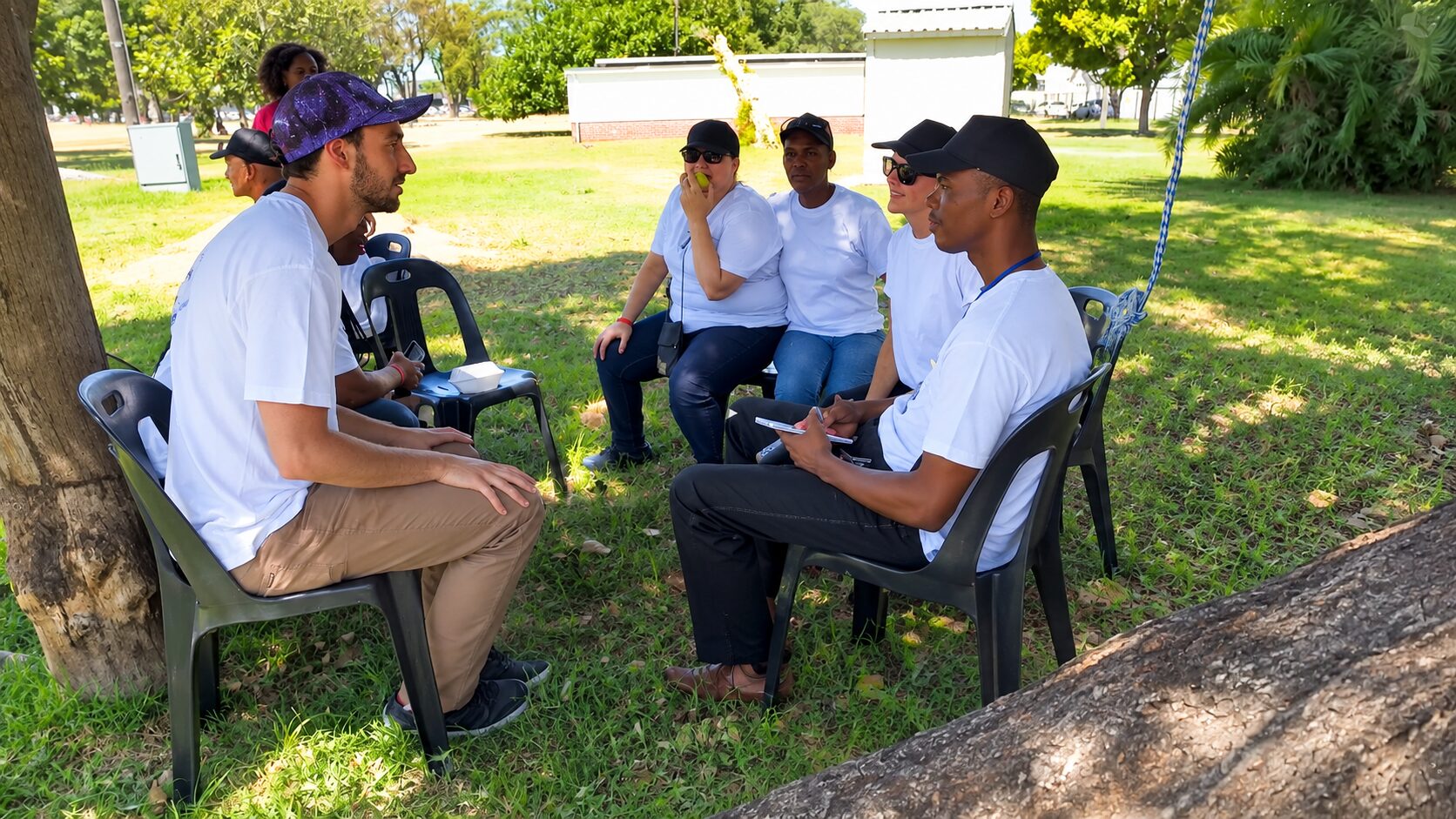

MIGRATION & INCLUSION
Explore how organizations respond to migration, belonging, social cohesion and access.
BROADER HUMAN RIGHTS CONTEXT
Refugee and migration issues often sit within wider Human Rights & Community Advocacy work.
RESEARCH & PROGRAM SUPPORT
Relevant work may include research, communications, education, advocacy or program support.
CAPE TOWN CONTEXT
Understand migration and human rights within South Africa’s distinctive social and political landscape.
WHY CAPE TOWN?
A distinctive context for understanding migration and human rights
South Africa is an important regional destination for people moving for work, safety, family, education and opportunity.
Cape Town is home to organizations working around inclusion, social cohesion, access to services, rights education and community participation.
For students interested in refugee and migration issues, an internship in Cape Town can provide a useful window into how questions of movement, belonging, rights and inclusion are addressed within a society shaped by migration, inequality and constitutional protections.
HOW THIS WORK MAY APPEAR
Refugee and migration issues often sit within broader human rights work

Migration-related work may arise within organizations focused more broadly on human rights, social cohesion, youth development, community advocacy, inclusion or access to services.
Depending on the organization’s current priorities, interns may encounter work involving migration research, community education, inclusion, employment access, communications, advocacy, stakeholder engagement or program development.
The exact focus will depend on the host organization, the participant’s background and the work available at the time.
WHAT YOU MAY DO
What might you do during a Refugee & Migration internship?
Your responsibilities will depend on your skills, experience and the host organization’s current work.
RESEARCH & DOCUMENTATION
Research migration, inclusion, human rights or community issues, contribute to reports, organize information or help develop educational materials.
PROGRAM & COMMUNITY SUPPORT
Assist with workshops, events, education, employment-readiness initiatives, community activities or other ongoing programs where appropriate.
ADVOCACY & COMMUNICATIONS
Support awareness work, communications, social media, stakeholder engagement, fundraising materials or public-facing educational content.
Some roles may also involve monitoring and evaluation, data systems, administration, event coordination or other behind-the-scenes work that supports the organization’s wider mission.
WHERE THIS FITS
Refugee and migration work can sit across Human Rights and Human Rights Law
The same migration issue can be approached in different ways.
A Human Rights & Community Advocacy placement may focus on inclusion, social cohesion, education, community programs, employment access, advocacy or support services.
A Human Rights Law placement may involve legal research, legal protections, asylum or refugee-status issues, documentation, access to justice or supervised support with legal matters.
The organization may work across both areas. What matters is the nature of the participant’s actual responsibilities.
For students whose interests are broader than migration alone, VAC’s Human Rights & Community Advocacy internships provide a wider view of rights, inclusion, participation and advocacy in Cape Town.
WHO THIS IS FOR
For students interested in migration, inclusion and human rights
GAP YEAR PARTICIPANTS
Appropriate roles may provide introductory experience in nonprofit work, research, communications, education, administration or community programs.
UNIVERSITY STUDENTS
A strong fit for students interested in Human Rights, International Relations, Political Science, Development Studies, Sociology, Law, Public Policy, Migration Studies and related fields.
GRADUATES & POSTGRADUATES
Participants with stronger research, writing, policy, legal, data or professional skills may be suited to more defined research, advocacy, communications, monitoring or organizational projects.
WHY VAC FOR REFUGEE & MIGRATION INTERNSHIPS?
Start with the issue you want to understand
Some students come to VAC with a broad interest in human rights. Others already know that migration, refugee rights, inclusion or social cohesion is the area they most want to explore.
VAC has been developing internships in Cape Town since 2006. The placements team looks at your academic background, skills, experience and interests, then explores what suitable current host organizations may be able to support.
If migration or refugee issues are an important part of your goals, tell VAC during the placement process so the team can take that interest into account when exploring appropriate options.
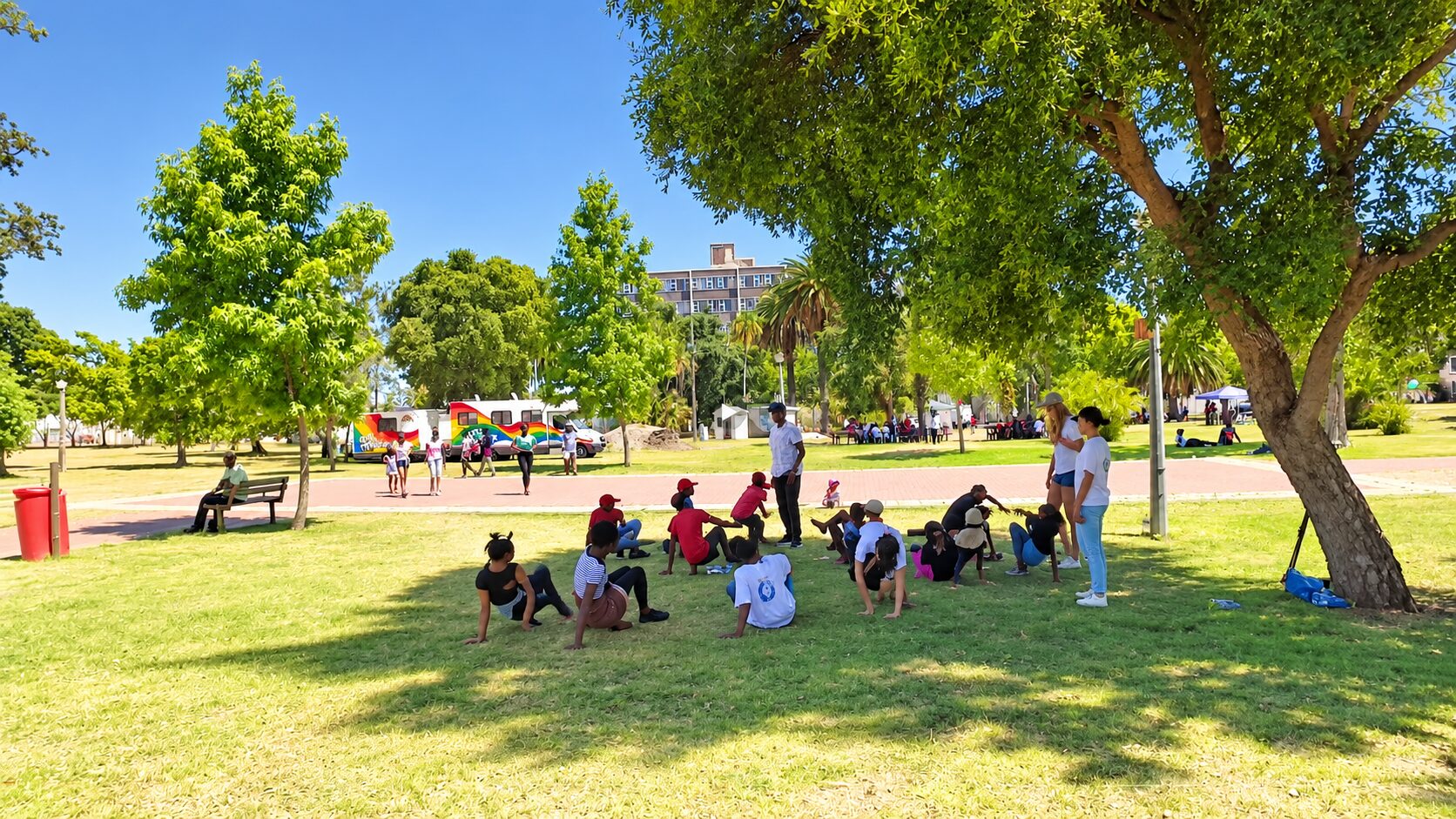
INDIVIDUAL PLACEMENT DEVELOPMENT
Tell VAC which migration, refugee or human-rights issues interest you most.
CAPE TOWN EXPERIENCE
VAC’s team is based in Cape Town and develops placements locally.
A ROLE THAT FITS YOUR BACKGROUND
Placement development considers your interests, skills, experience and current host capacity.
PLAN YOUR INTERNSHIP
Program options, dates and practical details
STANDARD INTERNSHIP PROGRAM
Flexible participation within VAC’s standard internship program.
PROGRAM HOUSING
Private bedrooms in shared participant housing in Observatory, Cape Town. Housing is arranged separately and is not included in the VAC program fee.
WHAT THE PROGRAM INCLUDES
Placement matching, pre-arrival preparation, orientation, airport services, weekly activities and local VAC support.
GAP YEAR INTERNSHIP PROGRAM
A fixed-date cohort program with one- or two-term options.
UNPAID INTERNSHIPS
VAC internships are unpaid professional learning experiences rather than paid employment.
ACADEMIC CREDIT
Optional academic-credit pathways are available. Credit fees are separate, and transfer is determined by your home institution.
REFUGEE & MIGRATION INTERNSHIP FAQS
Does VAC offer refugee and migration internships in Cape Town?
Students with a particular interest in refugee and migration issues may be matched with relevant work where a suitable current host can support that focus.
Migration-related work often connects with broader Human Rights & Community Advocacy work, including inclusion, social cohesion, education, research and community programs.
What kind of work might I do?
Depending on the placement, work may include research, communications, education, workshops, social-cohesion initiatives, stakeholder engagement, advocacy, program support, monitoring and evaluation, or nonprofit administration.
Your responsibilities will depend on your experience and the organization’s current priorities.
Will I work directly with refugees or asylum seekers?
Some roles may include community-facing activities, while others are focused more heavily on research, communications, administration, education or organizational support.
Direct contact depends on the organization, the role and what is appropriate for the participant’s experience.
What is the difference between Refugee & Migration work and Human Rights internships?
Refugee and migration issues are often part of the broader Human Rights & Community Advocacy field.
The Human Rights page covers a wider range of areas including migration, gender justice, disability inclusion, youth development, LGBTQIA+ rights, land and food justice, social cohesion and community participation.
This page is intended for students who have a particularly strong interest in migration and refugee-related issues.
What is the difference between Refugee & Migration work and Human Rights Law?
Non-legal migration work may involve inclusion, social cohesion, education, employment access, community support or advocacy.
Work involving asylum applications, refugee-status documentation, legal protections, case preparation or legal advice falls more naturally within Human Rights Law and requires appropriate supervision.
Do I need to study Human Rights or Migration?
Not necessarily.
Relevant backgrounds may include Human Rights, International Relations, Political Science, Development Studies, Sociology, Migration Studies, Law, Public Policy, Communications and related disciplines.
The most suitable role will depend on your interests, academic background, skills and experience.
Can gap year participants apply?
Yes, where an appropriate role is available.
Gap Year participants may be considered for supportive, practical, administrative, communications, research or non-specialized roles suited to their experience.
Can I receive university credit?
If your university requires an internship or has specific academic requirements, send VAC those requirements before the placement process begins so the placements team can explore whether an appropriate organization can accommodate them.
VAC also offers optional academic-credit pathways. Your home university makes the final decision about how outside credit is recognized or transferred.
Explore other internships

Biotechnology
Advance global health through research placements at renowned labs pioneering new medical technologies.
Learn more
Business and Finance
Explore business and entrepreneurship internships in Cape Town across startups, business development, operations, market research and growth-focused roles.
Learn more
Clean Energy
Champion climate justice contributing skills to expand clean energy access for underserved communities.
Learn more
Conservation
Safeguard Cape Town’s treasured yet threatened ecosystems, working alongside frontline conservationists.
Learn more
Counseling & Psychology
Explore Counseling & Psychology internships in Cape Town, from community-based mental-health and psychosocial placements to limited postgraduate Clinical Psychology opportunities.
Learn more
Education
Teach and inspire students gaining classroom skills at under-resourced schools, uplifting disadvantaged youth.
Learn more
Engineering
Innovate solutions by collaborating with firms tackling urgent infrastructure and development challenges.
Learn more
Gap Year
Preview future careers interning in your field of choice while enjoying life-expanding adventures.
Learn more
Human Rights & Community Advocacy
Advocate for the vulnerable assisting organizations protecting rights and services for marginalized groups.
Learn more
Journalism
Explore Journalism internships abroad in Cape Town across reporting, radio, broadcast, digital journalism, and editorial work, with placements matched to your experience.
Learn more
Law
Explore law internships in Cape Town, South Africa, spanning human rights, public-interest, access-to-justice and civil or commercial legal work.
Learn more
Marketing
Shape brands for good by managing campaigns empowering social enterprises and community programs.
Learn more
Film & Media
Explore Film & Media internships abroad in Cape Town, with opportunities spanning production, editing, post-production, community media and digital storytelling.
Learn more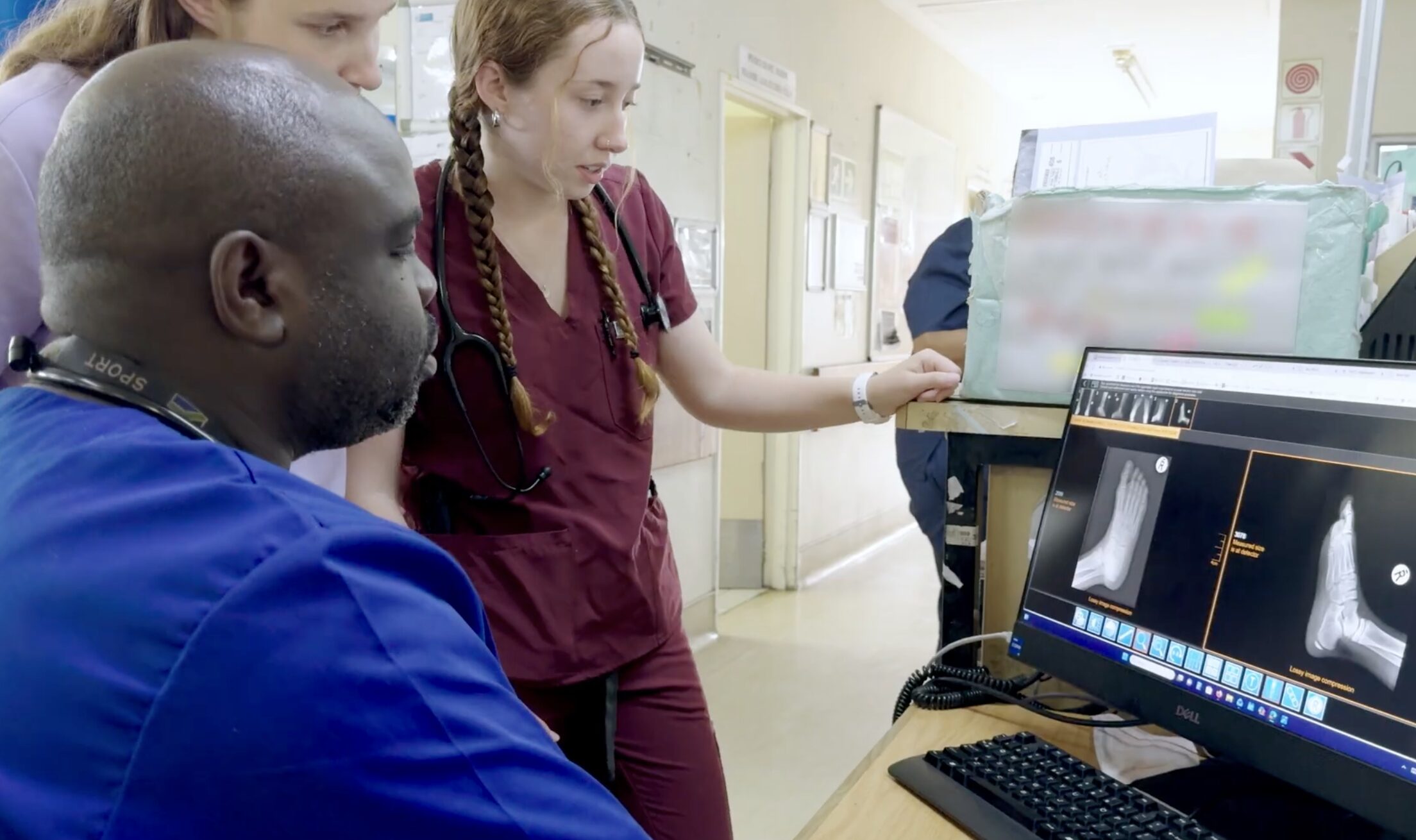
Medical
Step inside Cape Town’s public healthcare system through a Medical or Pre-Med internship, gaining supervised exposure to clinical teams, patient care and medicine in a very different healthcare context.
Learn more
Occupational Therapy
Explore Occupational Therapy in Cape Town through placements developed around your background and stage of training. Opportunities may include pediatric, school-based, outpatient and rehabilitation settings, with supervision and involvement matched to your experience.
Learn more
Physical Therapy
Explore Physical Therapy in Cape Town through placements developed around your background and stage of training. Opportunities may include rehabilitation, pediatric, community and sports settings, with involvement matched to your experience and supervision.
Learn more
Political Science
Explore political science and public policy internships in Cape Town, South Africa, with opportunities in policy research, governance and international relations.
Learn more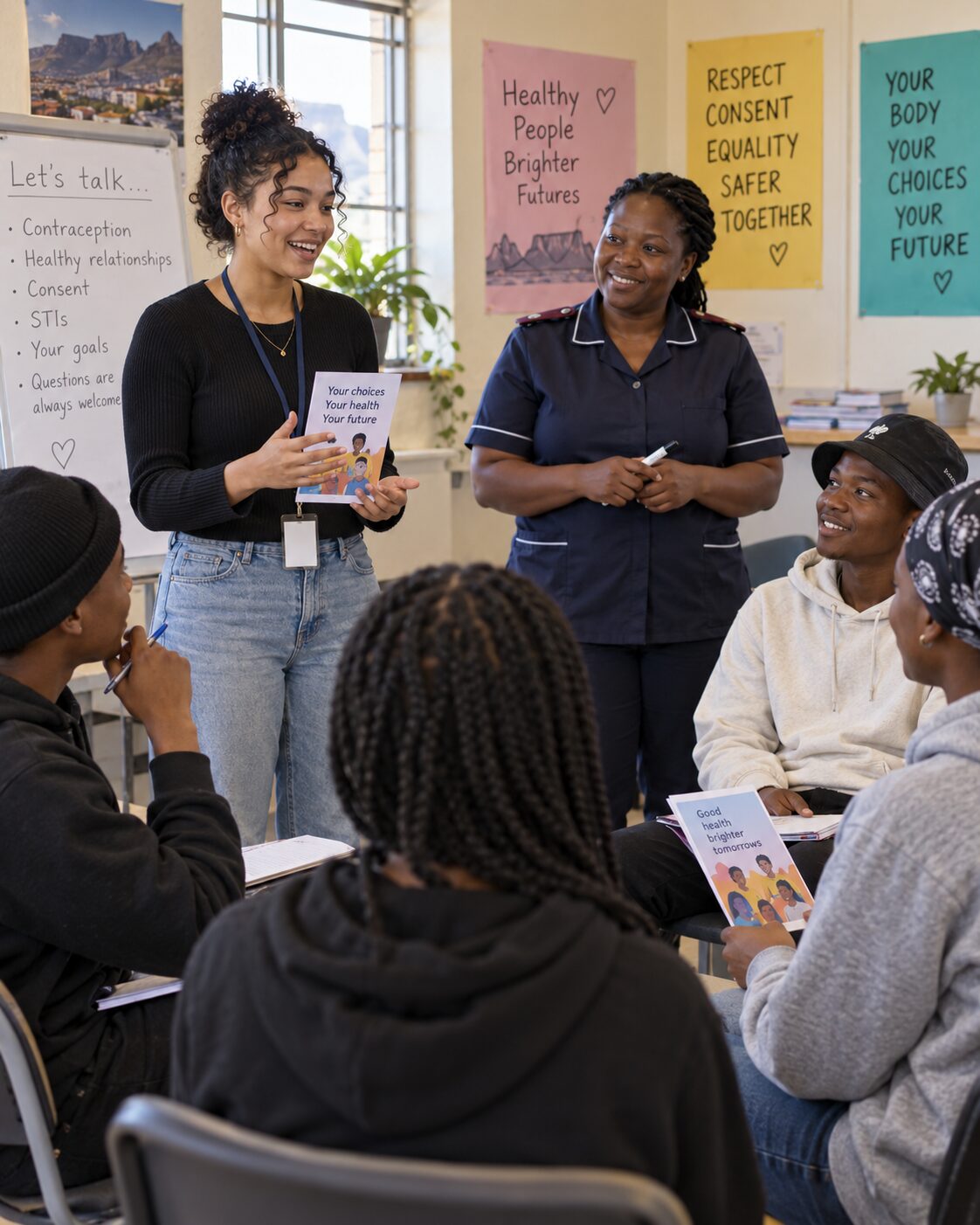
Public Health
Protect the vulnerable by collecting data, assisting workshops and expanding community health access.
Learn moreSocial Work
Explore Social Work internships in Cape Town, South Africa, with supervised experience across community, youth, family and social-service programs.
Learn more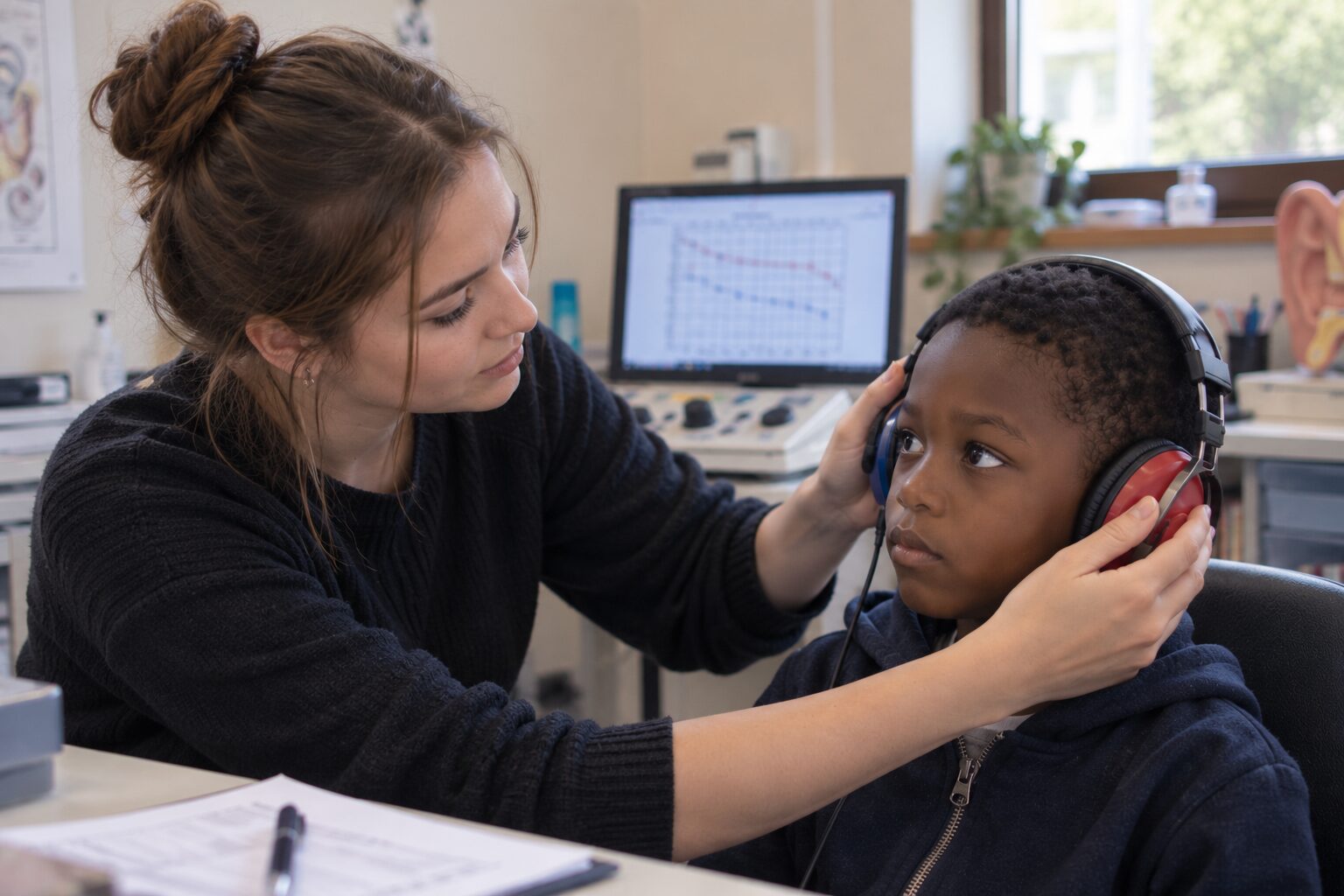
Speech Pathology & Audiology
Explore Speech Pathology or Audiology in Cape Town through placements shaped around your background and stage of training, from observation-focused experiences to formal clinical pathways for qualified students.
Learn more
Sports Management
Gain industry expertise assisting in operations, marketing and events for national federations and clubs.
Learn more
Sustainability
Catalyze solutions directly supporting projects increasing environmental protections and food security.
Learn more
Technology
Build skills collaborating with pioneering startups leveraging innovations to drive financial inclusion.
Learn moreThe time is now to explore, connect, and invest in yourself in Cape Town. Let us match you with an experience that counts.
Explore other internships
Biotechnology
Advance global health through research placements at renowned labs pioneering new medical technologies.
Learn moreBusiness and Finance
Explore business and entrepreneurship internships in Cape Town across startups, business development, operations, market research and growth-focused roles.
Learn moreClean Energy
Champion climate justice contributing skills to expand clean energy access for underserved communities.
Learn moreConservation
Safeguard Cape Town’s treasured yet threatened ecosystems, working alongside frontline conservationists.
Learn moreCounseling & Psychology
Explore Counseling & Psychology internships in Cape Town, from community-based mental-health and psychosocial placements to limited postgraduate Clinical Psychology opportunities.
Learn moreEducation
Teach and inspire students gaining classroom skills at under-resourced schools, uplifting disadvantaged youth.
Learn moreEngineering
Innovate solutions by collaborating with firms tackling urgent infrastructure and development challenges.
Learn moreGap Year
Preview future careers interning in your field of choice while enjoying life-expanding adventures.
Learn moreHuman Rights & Community Advocacy
Advocate for the vulnerable assisting organizations protecting rights and services for marginalized groups.
Learn moreJournalism
Explore Journalism internships abroad in Cape Town across reporting, radio, broadcast, digital journalism, and editorial work, with placements matched to your experience.
Learn moreLaw
Explore law internships in Cape Town, South Africa, spanning human rights, public-interest, access-to-justice and civil or commercial legal work.
Learn moreMarketing
Shape brands for good by managing campaigns empowering social enterprises and community programs.
Learn moreFilm & Media
Explore Film & Media internships abroad in Cape Town, with opportunities spanning production, editing, post-production, community media and digital storytelling.
Learn moreMedical
Step inside Cape Town’s public healthcare system through a Medical or Pre-Med internship, gaining supervised exposure to clinical teams, patient care and medicine in a very different healthcare context.
Learn moreOccupational Therapy
Explore Occupational Therapy in Cape Town through placements developed around your background and stage of training. Opportunities may include pediatric, school-based, outpatient and rehabilitation settings, with supervision and involvement matched to your experience.
Learn morePhysical Therapy
Explore Physical Therapy in Cape Town through placements developed around your background and stage of training. Opportunities may include rehabilitation, pediatric, community and sports settings, with involvement matched to your experience and supervision.
Learn morePolitical Science
Explore political science and public policy internships in Cape Town, South Africa, with opportunities in policy research, governance and international relations.
Learn morePublic Health
Protect the vulnerable by collecting data, assisting workshops and expanding community health access.
Learn moreSocial Work
Explore Social Work internships in Cape Town, South Africa, with supervised experience across community, youth, family and social-service programs.
Learn moreSpeech Pathology & Audiology
Explore Speech Pathology or Audiology in Cape Town through placements shaped around your background and stage of training, from observation-focused experiences to formal clinical pathways for qualified students.
Learn moreSports Management
Gain industry expertise assisting in operations, marketing and events for national federations and clubs.
Learn moreSustainability
Catalyze solutions directly supporting projects increasing environmental protections and food security.
Learn moreTechnology
Build skills collaborating with pioneering startups leveraging innovations to drive financial inclusion.
Learn more