
INTERNSHIPS
Counseling & Psychology Internships in Cape Town, South Africa
Psychology internships abroad can mean very different things depending on your stage of training. In Cape Town, VAC develops Counseling & Psychology placements around your background, interests and goals, from community-based counseling and psychosocial support to limited Clinical Psychology placements for qualified postgraduate students completing formal degree requirements.
We start by understanding what you want to learn and what you are qualified to do, then approach a host able to support an appropriate level of supervision and involvement.

CAPE TOWN SPECIALIST
One city. Deep local relationships since 2006.
TAILORED PLACEMENTS
Developed around your background and goals.
TWO DISTINCT PATHWAYS
Community-based and postgraduate clinical.
WHO IT’S FOR
From Gap Year exploration to advanced study.
WHY CAPE TOWN
Understand mental health in context
Mental-health work in Cape Town does not sit inside one type of institution or one kind of community. Depending on the placement, participants may encounter counseling and psychosocial programs delivered through grassroots organizations, mental-health education and outreach, therapeutic environments, or, for suitably qualified postgraduate students, structured experience in psychiatric settings.
Cape Town’s deep social and economic inequalities also shape access to support and the pressures placed on many services. For a psychology intern, that context can add practical understanding of how mental health connects with family, community, healthcare systems and the circumstances people are living with.
COUNSELING & PSYCHOLOGY PLACEMENTS
Two pathways, different kinds of experience
VAC groups Counseling & Psychology placements into two distinct pathways. They are not interchangeable: eligibility, supervision and the possible scope of involvement are different.
COMMUNITY-BASED COUNSELING & PSYCHOLOGY
For participants from Gap Year through advanced university study. Placements may involve community mental health, counseling, psychosocial support, therapeutic or group environments, education, outreach, research or program support. Responsibilities are matched to the participant’s training and the supervision available.
CLINICAL PSYCHOLOGY
A limited, competitive pathway for qualified postgraduate psychology students completing formal clinical experience or hours toward their degree. These placements require clear university requirements and direct supervision by a qualified clinical psychologist.
COMMUNITY-BASED COUNSELING & PSYCHOLOGY
Mental-health work beyond the clinic
Community-based placements may involve counseling, psychosocial support, mental-health education, outreach or therapeutic programs within NGOs and grassroots organizations. They can suit participants from Gap Year through master’s level, but the role must match the participant’s training, maturity and the supervision a host can provide.
Less-experienced participants are more likely to begin with observation, support, administration or non-specialized work. Participants with advanced training may take on more responsibility when the host considers it appropriate and can supervise it properly.

COUNSELING & PSYCHOSOCIAL SUPPORT
Observe counseling or support work and, where appropriate, assist with client-support activities matched to your level.
GROUP & THERAPEUTIC ENVIRONMENTS
Depending on the host, gain supervised exposure to group support, group-therapy environments, art-therapy programs or related therapeutic activities.
EDUCATION, OUTREACH & PROGRAM SUPPORT
Contribute to the community, education, outreach, research, administration, or program work that supports the organizations’ mental-health services
CLINICAL PSYCHOLOGY
A structured pathway for qualified postgraduate students
VAC’s formal Clinical Psychology pathway is a limited, competitive, hospital-based option for postgraduate psychology students completing formal clinical experience or hours toward their degree. Applicants are required to hold a master’s degree in psychology or an equivalent qualification, and the student must be directly supervised by a qualified clinical psychologist.
Depending on the student’s training, university requirements, hospital protocols and the supervision available, exposure may include:

OBSERVE CLINICAL PRACTICE
Shadow a clinical psychologist and observe assessments, patient interviews, case reviews and other patient-related work where permitted.
LEARN WITHIN A MULTIDISCIPLINARY TEAM
Observe or learn alongside psychiatrists, nurses, occupational therapists and other mental-health professionals, including ward rounds, case conferences or multidisciplinary meetings where permitted.
PARTICIPATE UNDER SUPERVISION
Depending on your training, university requirements and the supervision available, you may take part in supervised group sessions, case discussions, psychoeducation activities, research or appropriate documentation. If you already have relevant clinical training, your role may also include limited involvement in an assessment or intervention where this is required by your university and approved by your supervisor.
Your level of involvement is agreed individually with the host and supervising clinical psychologist. The aim is to give you appropriate clinical exposure while making sure the work remains within your existing training and the supervision available.
Need clinical hours for your degree?
If your university requires clinical hours, supervision, assessments or signed placement documentation, send us the complete requirements before matching begins. VAC can then approach a suitable psychiatric hospital or ward and establish whether the site can meet them.
Please include required hours, learning objectives or competencies, supervision requirements, assessment forms, progress-review requirements and any documentation or sign-off your university expects.
Your placement and clinical-hour requirements are confirmed once the host agrees it can meet them.
WHO IT’S FOR
Psychology experience matched to where you are
GAP YEAR / EARLY EXPLORATION
Well-prepared Gap Year participants exploring psychology, counseling, mental health or a related helping profession may be considered for community-based placements. Roles are more likely to be observational, supportive, administrative or non-specialized.
UNDERGRADUATE PSYCHOLOGY
Psychology and related students can gain practical context for their academic study through community mental-health and psychosocial settings. The level of direct client contact or participation depends on training, maturity, host needs and supervision.
POSTGRADUATE
Students with advanced training may be considered for more specialized supervised responsibilities. Formal Clinical Psychology placements are postgraduate only and carry separate qualification, university-documentation and supervision requirements.
WHY VAC
A psychology placement built around your level and goals
Counseling and psychology placements depend heavily on background, scope and supervision. VAC’s role is to match those pieces rather than hand every applicant the same job description.

FORMAL REQUIREMENTS COME FIRST
If your degree requires clinical hours, supervision or signed documentation, we review those requirements before matching so a potential host can confirm what it can and cannot provide.
YOUR TEAM IS IN CAPE TOWN
VAC has specialized in Cape Town since 2006. The team you work with before arrival is based here, and the same locally based team supports participants while they are in the city.
YOUR PLACEMENT SHOULD MATCH YOUR LEVEL
A gap year participant, undergraduate and postgraduate student should not automatically be placed into the same role. VAC starts with your background, goals and experience, then develops a placement a host can genuinely support.
PLAN YOUR INTERNSHIP
Program options, dates and practical details
STANDARD INTERNSHIP PROGRAM
Flexible participation within VAC’s standard internship program.
GAP YEAR INTERNSHIP PROGRAM
A fixed-date cohort program with one- or two-term options.
PROGRAM HOUSING
Private bedrooms in shared participant housing in Observatory, Cape Town. Housing is arranged separately and is not included in the VAC program fee.
UNPAID INTERNSHIPS
Participants do not receive monetary compensation for their internships. VAC placements are structured as unpaid professional learning experiences rather than paid employment.
WHAT THE PROGRAM INCLUDES
Placement matching, pre-arrival preparation, orientation, airport services, weekly activities and local VAC support.
ACADEMIC CREDIT
Optional academic-credit pathways are available. Credit fees are separate, and transfer is determined by your home institution.
Counseling & Psychology, in their own words

Karen Nava Calderon
Karen Nava Calderon is a psychology student at Oregon State University from Oregon, USA. She spent 10 weeks in Cape Town interning with a nonprofit organization working to prevent and respond to gender-based violence, support survivors, and advance systemic change.

Huey-li
Huey-li joined the VACorps program in 2026 from Penang, Malaysia. She is completing a master's degree in Clinical Psychology at UCSI University Kuala Lumpur. During her time in Cape Town, she completed a clinical psychology internship at a private psychiatric clinic under…

Katharina Franziska Haegele
Participating in an internship with VACorps in Cape Town was one of the most transformative experiences of my life. I chose Cape Town because I wanted to step outside of my comfort zone while being in a place that is vibrant, culturally…

Ánika Miquidade
Ánika is studying BSc Psychology at the University of Europe for Applied Sciences. She joined the VAC program in September 2025 and completed a mental health internship with a community-based counseling and trauma support organization in Cape Town.

Alexandra Theodora Penica
Theodora is studying Psychology at the University of Europe for Applied Sciences. She joined the VACorps program in September 2025 and completed a mental health internship with a community-based counseling and trauma support organization in Cape Town.

Mia Villegas
Mia is studying Social Work at UCLA. She joined the VACorps program in June 2025 and participated in a social work internship at a community empowerment organization based in one of Cape Town’s townships.
FREQUENTLY ASKED QUESTIONS
Counseling & Psychology Internship FAQs
What kinds of Counseling & Psychology internships does VAC offer?
VAC offers two distinct pathways. Community-Based Counseling & Psychology placements may involve mental-health, counseling, psychosocial-support, therapeutic, education, outreach or program work and can suit participants from Gap Year through advanced university study. Formal Clinical Psychology placements are limited postgraduate opportunities tied to degree requirements and direct qualified clinical-psychology supervision.
Do I need to be studying Psychology to apply?
Who is eligible for a formal Clinical Psychology placement?
Can VAC arrange Clinical Psychology placements with required university hours and sign-off?
Potentially, yes. VAC works with qualified postgraduate psychology students who need formal clinical experience or hours toward their degree. Before matching begins, we need your university’s full requirements, including required hours, supervision criteria, learning objectives, assessment forms and sign-off expectations. We can then approach a suitable psychiatric hospital or ward and confirm whether it can meet those requirements.
Can VAC guarantee individual counseling or one-to-one therapy hours?
How much direct client or patient work will I do?
How long should I stay for a Counseling or Psychology internship?
Do Clinical Psychology students need South African professional registration?
Explore other internships

Biotechnology
Advance global health through research placements at renowned labs pioneering new medical technologies.
Learn more
Business and Finance
Explore business and entrepreneurship internships in Cape Town across startups, business development, operations, market research and growth-focused roles.
Learn more
Clean Energy
Champion climate justice contributing skills to expand clean energy access for underserved communities.
Learn more
Conservation
Safeguard Cape Town’s treasured yet threatened ecosystems, working alongside frontline conservationists.
Learn more
Education
Teach and inspire students gaining classroom skills at under-resourced schools, uplifting disadvantaged youth.
Learn more
Engineering
Innovate solutions by collaborating with firms tackling urgent infrastructure and development challenges.
Learn more
Gap Year
Preview future careers interning in your field of choice while enjoying life-expanding adventures.
Learn more
Human Rights & Community Advocacy
Advocate for the vulnerable assisting organizations protecting rights and services for marginalized groups.
Learn more
Journalism
Explore Journalism internships abroad in Cape Town across reporting, radio, broadcast, digital journalism, and editorial work, with placements matched to your experience.
Learn more
Law
Explore law internships in Cape Town, South Africa, spanning human rights, public-interest, access-to-justice and civil or commercial legal work.
Learn more
Marketing
Shape brands for good by managing campaigns empowering social enterprises and community programs.
Learn more
Film & Media
Explore Film & Media internships abroad in Cape Town, with opportunities spanning production, editing, post-production, community media and digital storytelling.
Learn more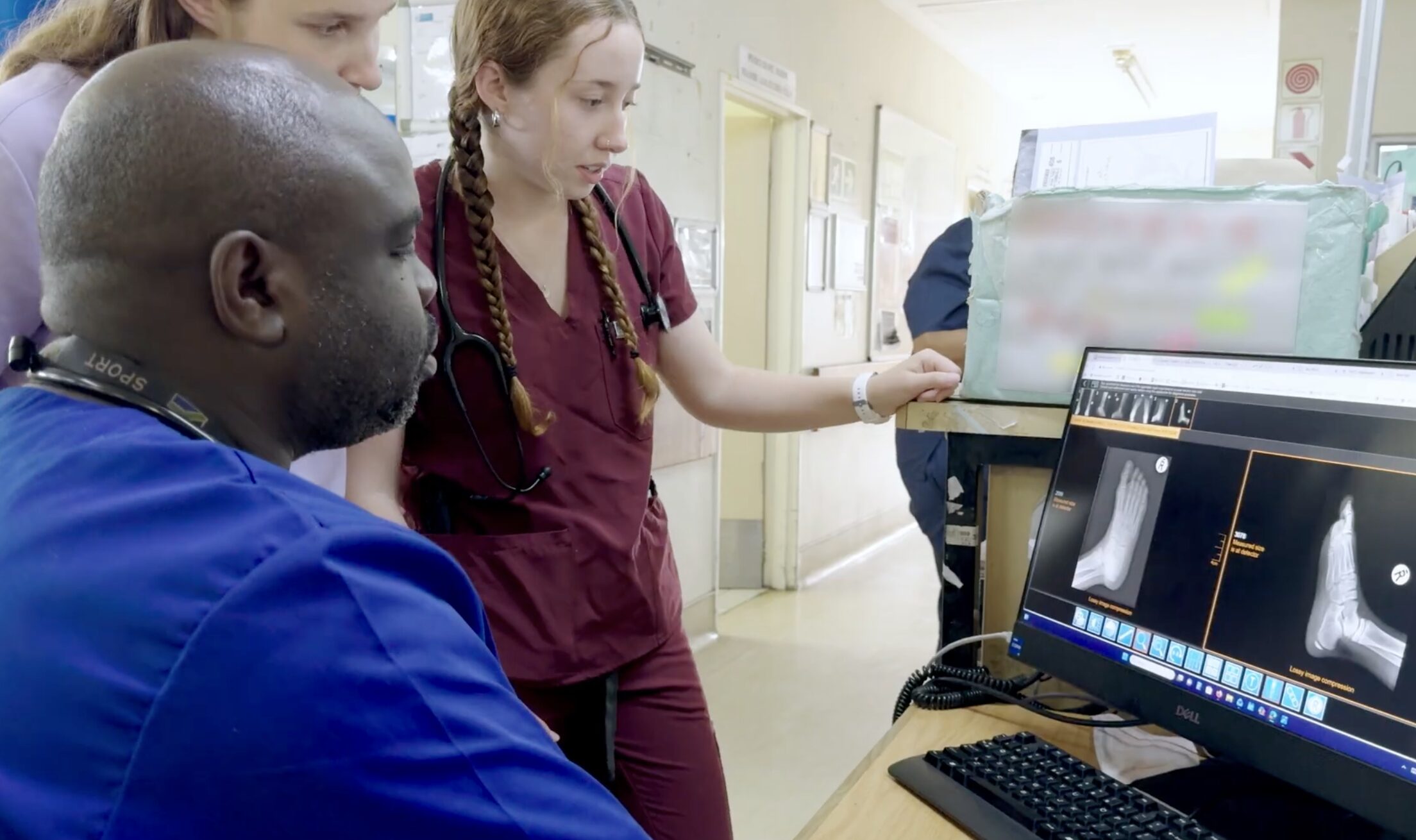
Medical
Step inside Cape Town’s public healthcare system through a Medical or Pre-Med internship, gaining supervised exposure to clinical teams, patient care and medicine in a very different healthcare context.
Learn more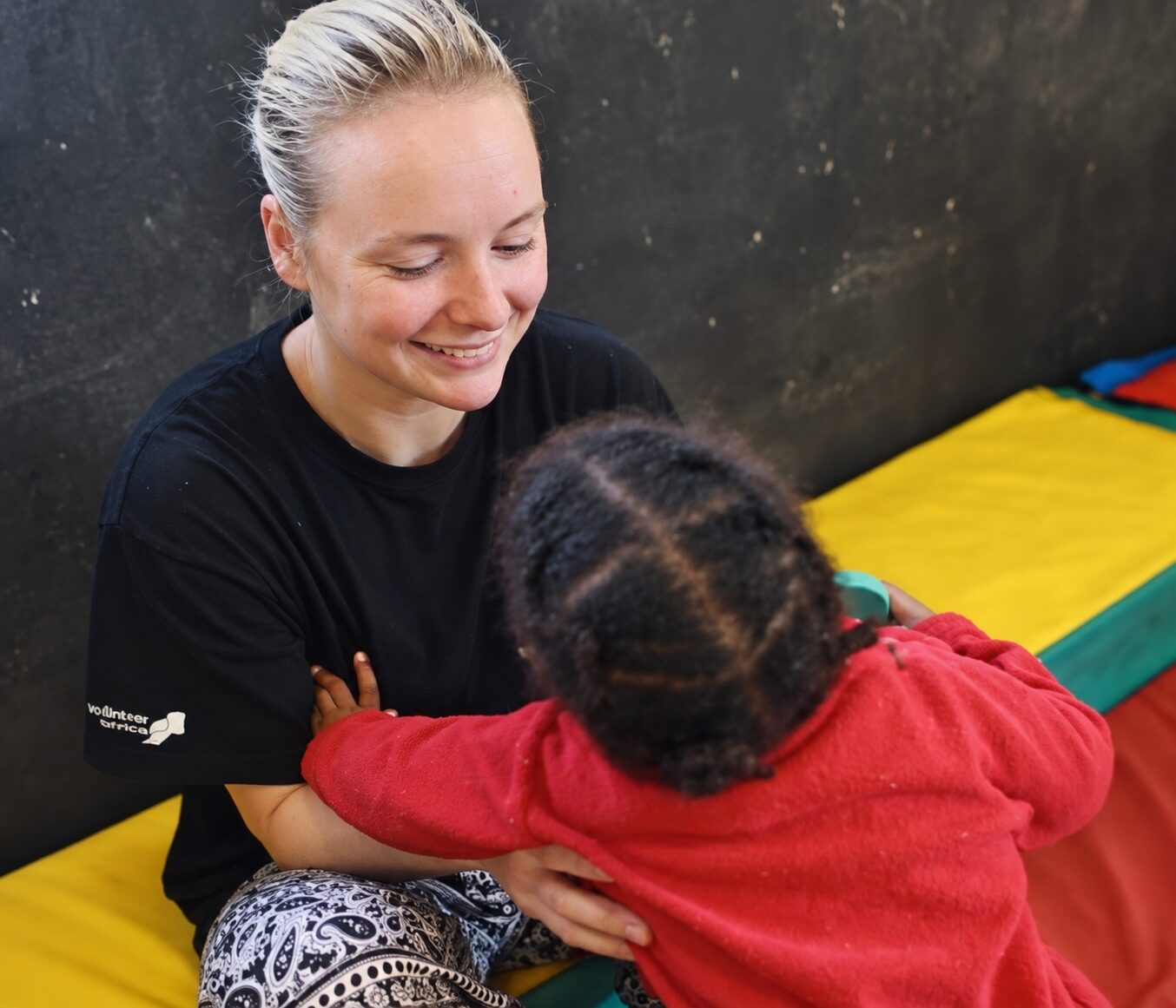
Occupational Therapy
Explore Occupational Therapy in Cape Town through placements developed around your background and stage of training. Opportunities may include pediatric, school-based, outpatient and rehabilitation settings, with supervision and involvement matched to your experience.
Learn more
Physical Therapy
Explore Physical Therapy in Cape Town through placements developed around your background and stage of training. Opportunities may include rehabilitation, pediatric, community and sports settings, with involvement matched to your experience and supervision.
Learn more
Political Science
Explore political science and public policy internships in Cape Town, South Africa, with opportunities in policy research, governance and international relations.
Learn more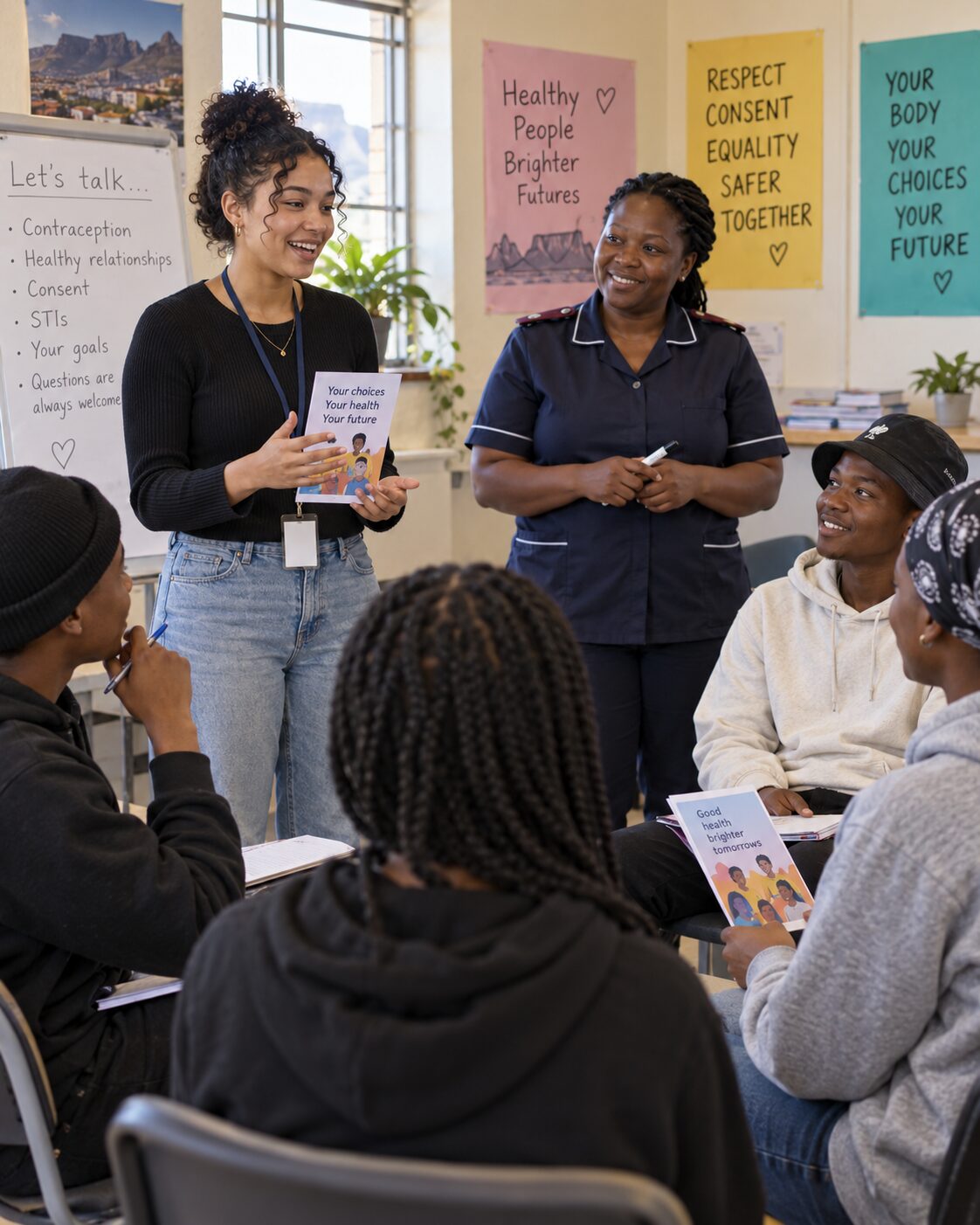
Public Health
Protect the vulnerable by collecting data, assisting workshops and expanding community health access.
Learn more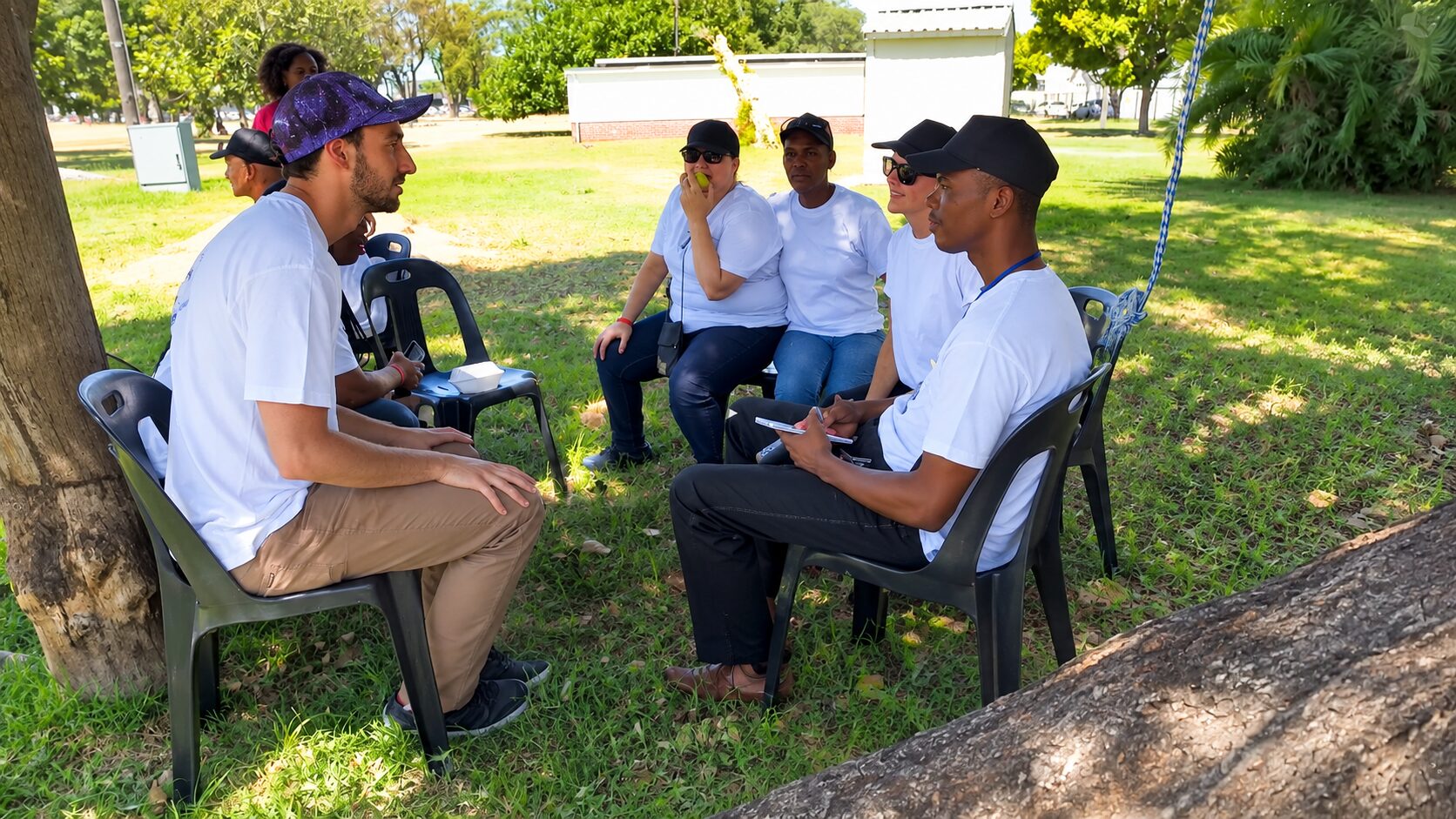
Refugee Work
Empower asylum seekers to help refugees access housing, employment, healthcare, and legal aid.
Learn moreSocial Work
Explore Social Work internships in Cape Town, South Africa, with supervised experience across community, youth, family and social-service programs.
Learn more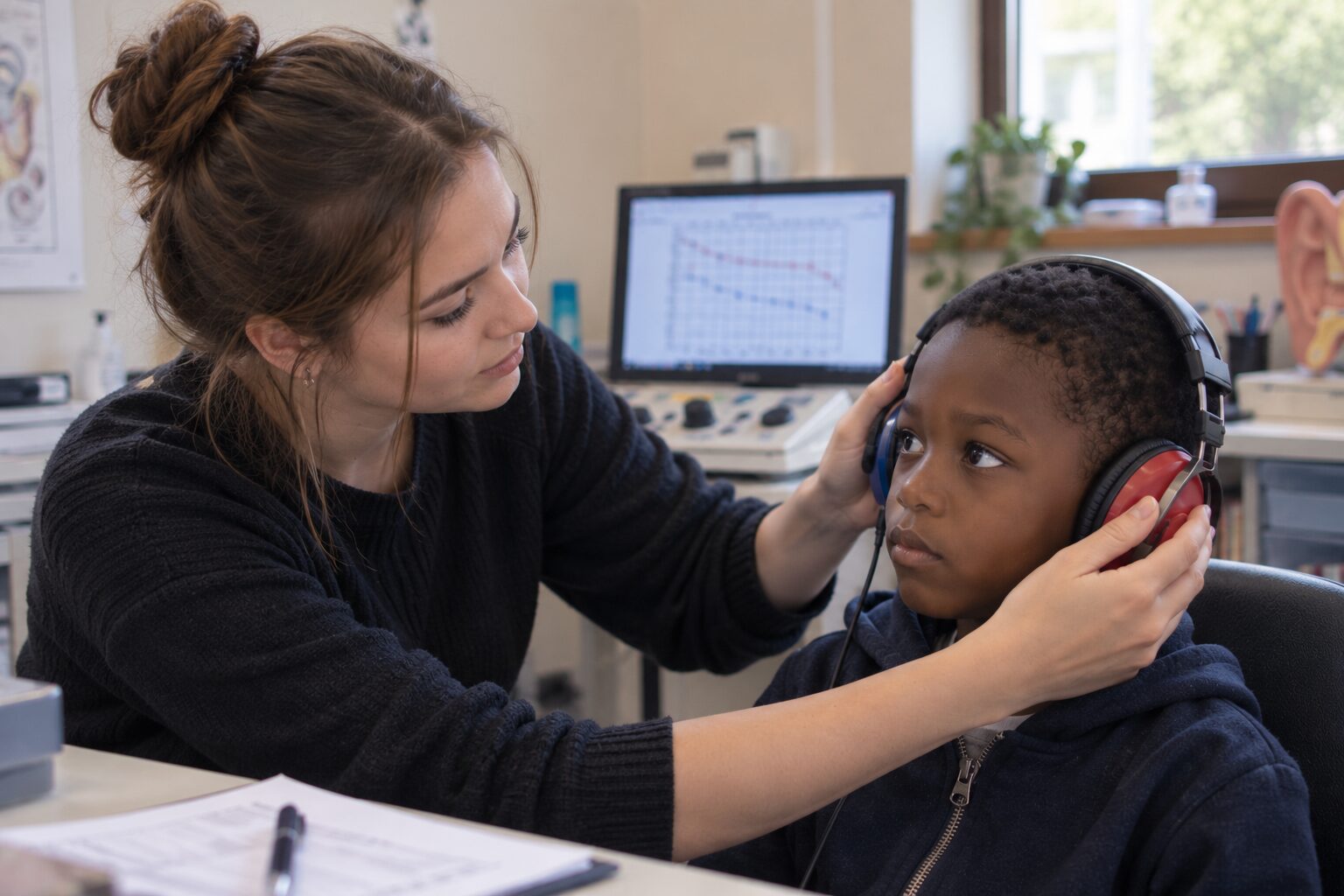
Speech Pathology & Audiology
Explore Speech Pathology or Audiology in Cape Town through placements shaped around your background and stage of training, from observation-focused experiences to formal clinical pathways for qualified students.
Learn more
Sports Management
Gain industry expertise assisting in operations, marketing and events for national federations and clubs.
Learn more
Sustainability
Catalyze solutions directly supporting projects increasing environmental protections and food security.
Learn more
Technology
Build skills collaborating with pioneering startups leveraging innovations to drive financial inclusion.
Learn moreStart planning your Counseling & Psychology internship in Cape Town
Tell us what you’re studying, what you want to learn and whether your university has any formal clinical requirements. That gives our placements team the information it needs to develop an opportunity appropriate to your level and goals.
Explore other internships
Biotechnology
Advance global health through research placements at renowned labs pioneering new medical technologies.
Learn moreBusiness and Finance
Explore business and entrepreneurship internships in Cape Town across startups, business development, operations, market research and growth-focused roles.
Learn moreClean Energy
Champion climate justice contributing skills to expand clean energy access for underserved communities.
Learn moreConservation
Safeguard Cape Town’s treasured yet threatened ecosystems, working alongside frontline conservationists.
Learn moreEducation
Teach and inspire students gaining classroom skills at under-resourced schools, uplifting disadvantaged youth.
Learn moreEngineering
Innovate solutions by collaborating with firms tackling urgent infrastructure and development challenges.
Learn moreGap Year
Preview future careers interning in your field of choice while enjoying life-expanding adventures.
Learn moreHuman Rights & Community Advocacy
Advocate for the vulnerable assisting organizations protecting rights and services for marginalized groups.
Learn moreJournalism
Explore Journalism internships abroad in Cape Town across reporting, radio, broadcast, digital journalism, and editorial work, with placements matched to your experience.
Learn moreLaw
Explore law internships in Cape Town, South Africa, spanning human rights, public-interest, access-to-justice and civil or commercial legal work.
Learn moreMarketing
Shape brands for good by managing campaigns empowering social enterprises and community programs.
Learn moreFilm & Media
Explore Film & Media internships abroad in Cape Town, with opportunities spanning production, editing, post-production, community media and digital storytelling.
Learn moreMedical
Step inside Cape Town’s public healthcare system through a Medical or Pre-Med internship, gaining supervised exposure to clinical teams, patient care and medicine in a very different healthcare context.
Learn moreOccupational Therapy
Explore Occupational Therapy in Cape Town through placements developed around your background and stage of training. Opportunities may include pediatric, school-based, outpatient and rehabilitation settings, with supervision and involvement matched to your experience.
Learn morePhysical Therapy
Explore Physical Therapy in Cape Town through placements developed around your background and stage of training. Opportunities may include rehabilitation, pediatric, community and sports settings, with involvement matched to your experience and supervision.
Learn morePolitical Science
Explore political science and public policy internships in Cape Town, South Africa, with opportunities in policy research, governance and international relations.
Learn morePublic Health
Protect the vulnerable by collecting data, assisting workshops and expanding community health access.
Learn moreRefugee Work
Empower asylum seekers to help refugees access housing, employment, healthcare, and legal aid.
Learn moreSocial Work
Explore Social Work internships in Cape Town, South Africa, with supervised experience across community, youth, family and social-service programs.
Learn moreSpeech Pathology & Audiology
Explore Speech Pathology or Audiology in Cape Town through placements shaped around your background and stage of training, from observation-focused experiences to formal clinical pathways for qualified students.
Learn moreSports Management
Gain industry expertise assisting in operations, marketing and events for national federations and clubs.
Learn moreSustainability
Catalyze solutions directly supporting projects increasing environmental protections and food security.
Learn moreTechnology
Build skills collaborating with pioneering startups leveraging innovations to drive financial inclusion.
Learn more