
VACorps Alumni Interview: Eduardo Glenn ('25)
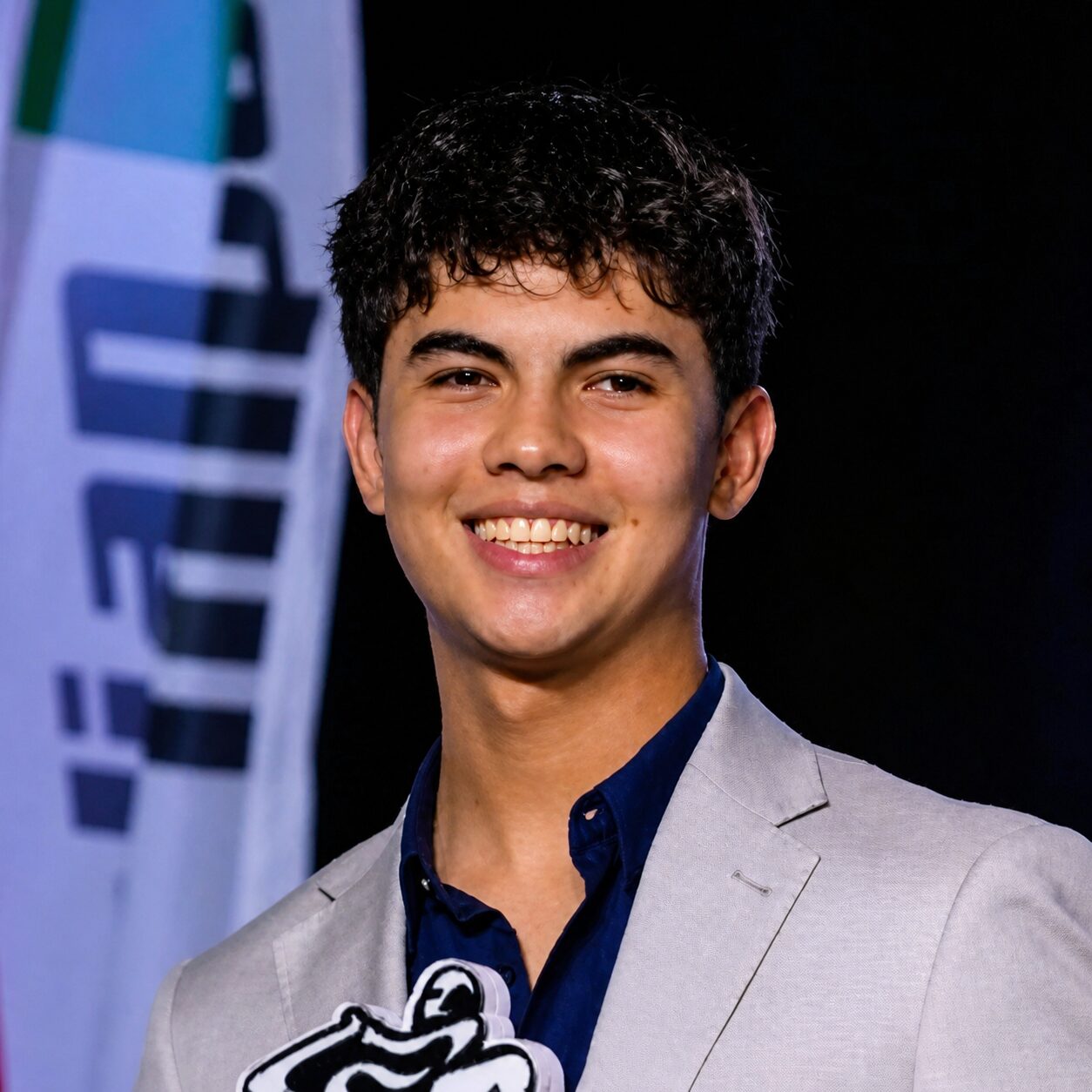
Eduardo Glenn joined the VACorps program in January 2025, and we were excited to share his story with you. Growing up in Costa Rica as a competitive racing driver, Eduardo made the deliberate choice to take a gap year before starting college in the United States and what he packed into that year is remarkable.
Eduardo interned as a mechanical design engineer at a local engineering-focused organization in Cape Town, won a national karting championship back home, and spent weeks doing sea turtle conservation on a remote Costa Rican beach with no WiFi in sight. He recently sat down with Julia Rogers on the Gap Year Radio podcast to share his story, and we’ve pulled together the highlights below. Eduardo is now studying mechanical engineering with an aerospace concentration at Colorado State University.
Tell us about what brought you to take a gap year, where were you in life and what were you hoping to get from it?
- I was racing competitively for around five years in Costa Rica, and I had to balance school and sport, missing classes, missing practices, the work-life balance was pretty hard. I was like, I want to take a year for myself and just focus on sports, focus on the things I want to do, find myself a little bit more before just taking a step and leaving home, leaving my sport, leaving family. That’s the main reason I’d say.
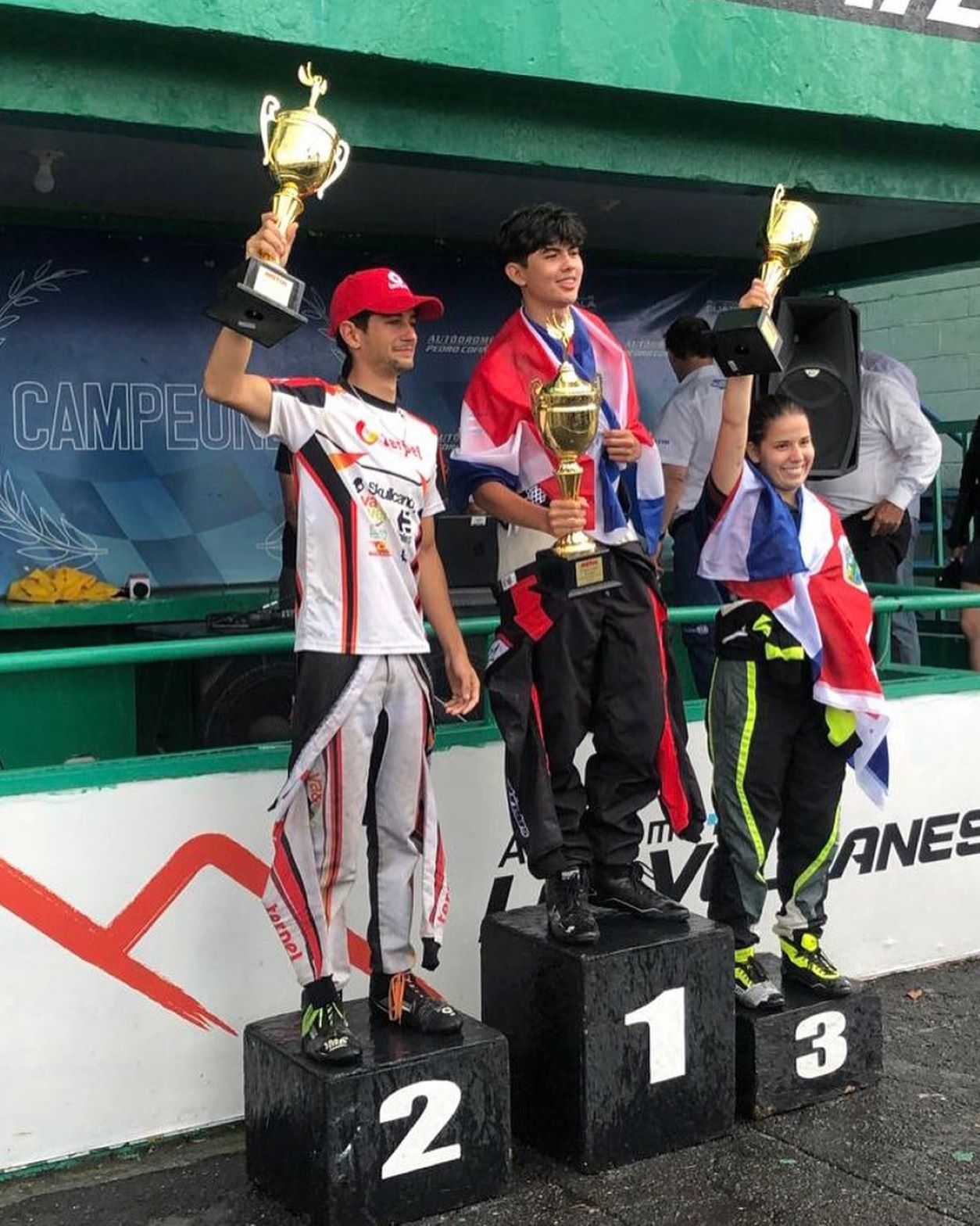
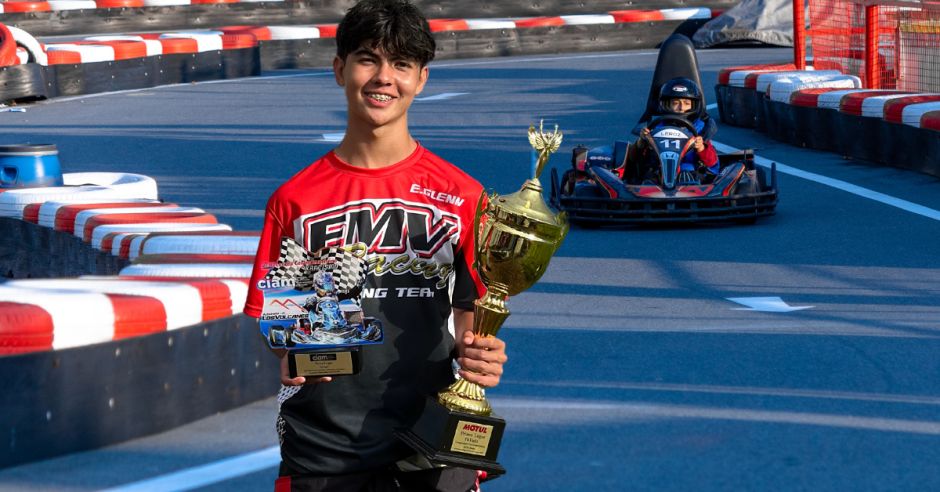
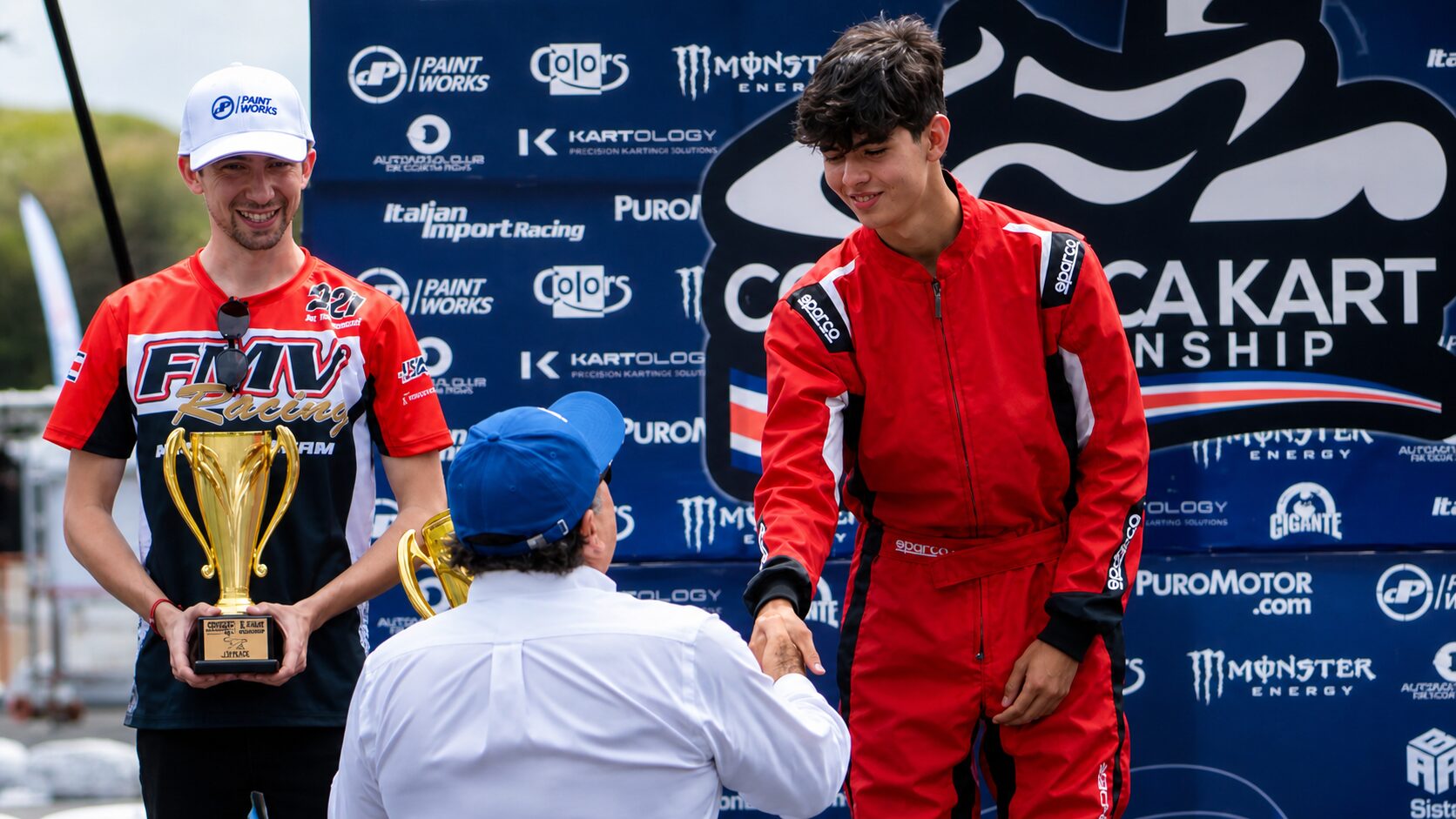
- My goal was always to win a national championship. It had slipped away from me three times, I’d come second place three times. I won a Central American championship on one of my first years racing, and then second, second, second. I couldn’t stand it. So I knew: if I take a gap year, I can give this my all, full time, no school, nothing else. And I did, I won the championship at the end. Closing that chapter meant I could move on and put everything into what was next.
What did your gap year actually look like? How did you structure your time?
It was mostly racing, I have to say. Long weeks training sessions from around 9am to 5pm, so that just takes most of your energy. I raced three full championships during the gap year, which spanned about a year and a half. But within that, I built in a few other things I had always wanted to do. I went to Mexico for a concert, I did the VACorps engineering internship in Cape Town, and I did sea turtle beach patrol conservation work in Santa Teresa, Costa Rica, through an organisation called CIRENAS. Those were things I had specifically planned for the year. And then of course there was the travel and the adventures that came with Cape Town.
What were the highlights of your internship experience in Cape Town?
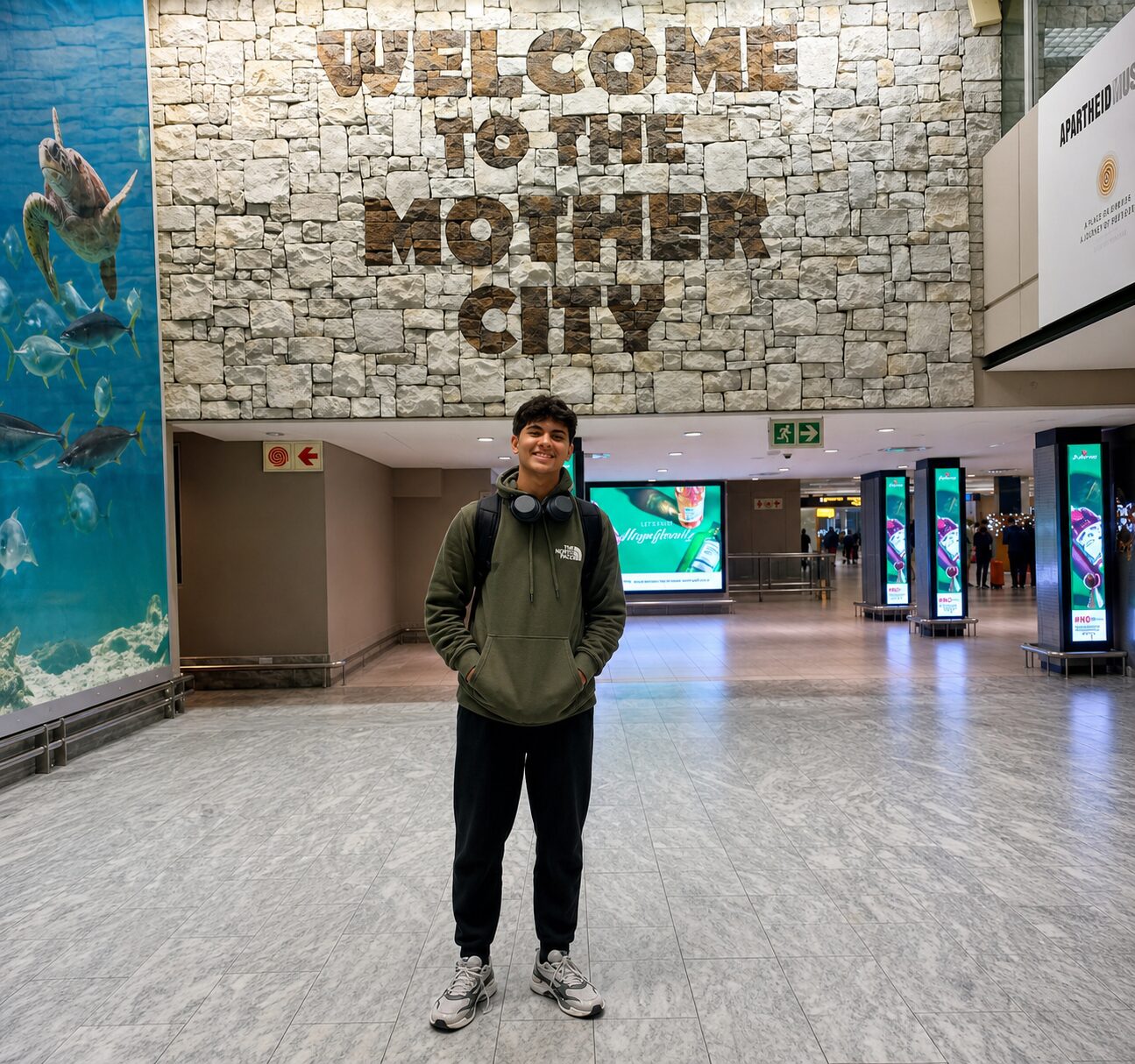
- I was a mechanical design intern at a local engineering-focused organization, which makes drone blimps, originally designed to deliver health supplies like blood to remote parts of Africa that don’t have roads. When I was there, the project was about using the blimps to scan the Amazon forest with LiDAR technology, because they can fly longer than conventional drones and reach places that are otherwise almost impossible to access.
- They’d give me a part and say: we need this, you have to design it, manufacture it, and optimise it. Every pound counts on a blimp, so they’d be like, you have to cut 60% of the weight. I was learning 3D design, 3D manufacturing, sitting in on all the meetings, seeing how they tracked their progress. I was obviously slower than everyone — the things I did in a month they could have done in two hours, but just being part of that team, being trusted with real work, was really enriching for me. It was my first internship, and honestly my dream internship. In Costa Rica there’s basically no aerospace industry, so this was spot on for what I wanted.
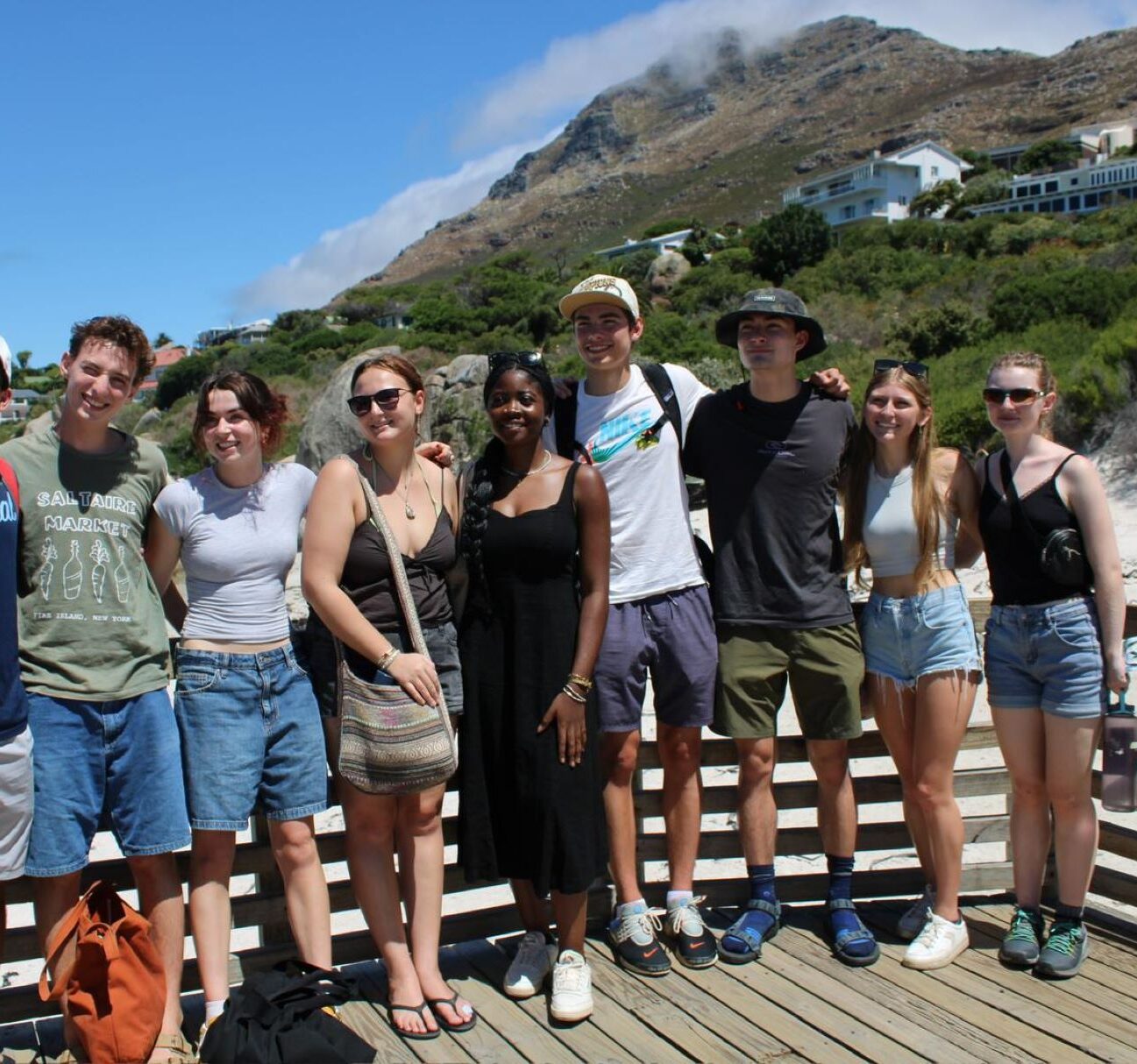
- And Cape Town itself? Amazing. I still talk to the friends I made there, we’re reminiscing right now about how one year ago we were all in South Africa. We did skydiving, bungee jumping off one of the tallest bridges in the world, beach trips, saw the penguins. The four-day work week with three-day weekends was great because you could actually go on proper longer trips and explore. I did almost every single excursion.

You also did sea turtle conservation in Costa Rica — what was that experience like?
That was one of the things I had specifically planned for my gap year just connecting with nature. I went to Santa Teresa with CIRENAS. The poaching industry in Costa Rica is pretty big people sell turtle eggs and meat, so we were there to protect the nests. We’d move the eggs to a safe area, hand-build new nests using a specific technique, track when they were due to hatch, and then release the hatchlings into the ocean.
I was pretty lucky with timing when I arrived, a whole wave of turtles came and started laying eggs. Everyone was calling me the lucky token. I saw three turtles laying eggs in one single night, which apparently doesn’t always happen that easily.
The night patrols were just walking the beach in the dark, completely isolated; no WiFi, no service, no anything. But you could see the Milky Way, all the constellations. At the end of the patrol, we’d just sit on the beach and watch the stars. I’d say magical is the word. And just being truly isolated from everything, with only your own thoughts for company; that turned out to be one of the most valuable experiences of the whole year.
What did competitive racing teach you about yourself — and do those lessons show up in the rest of your life?
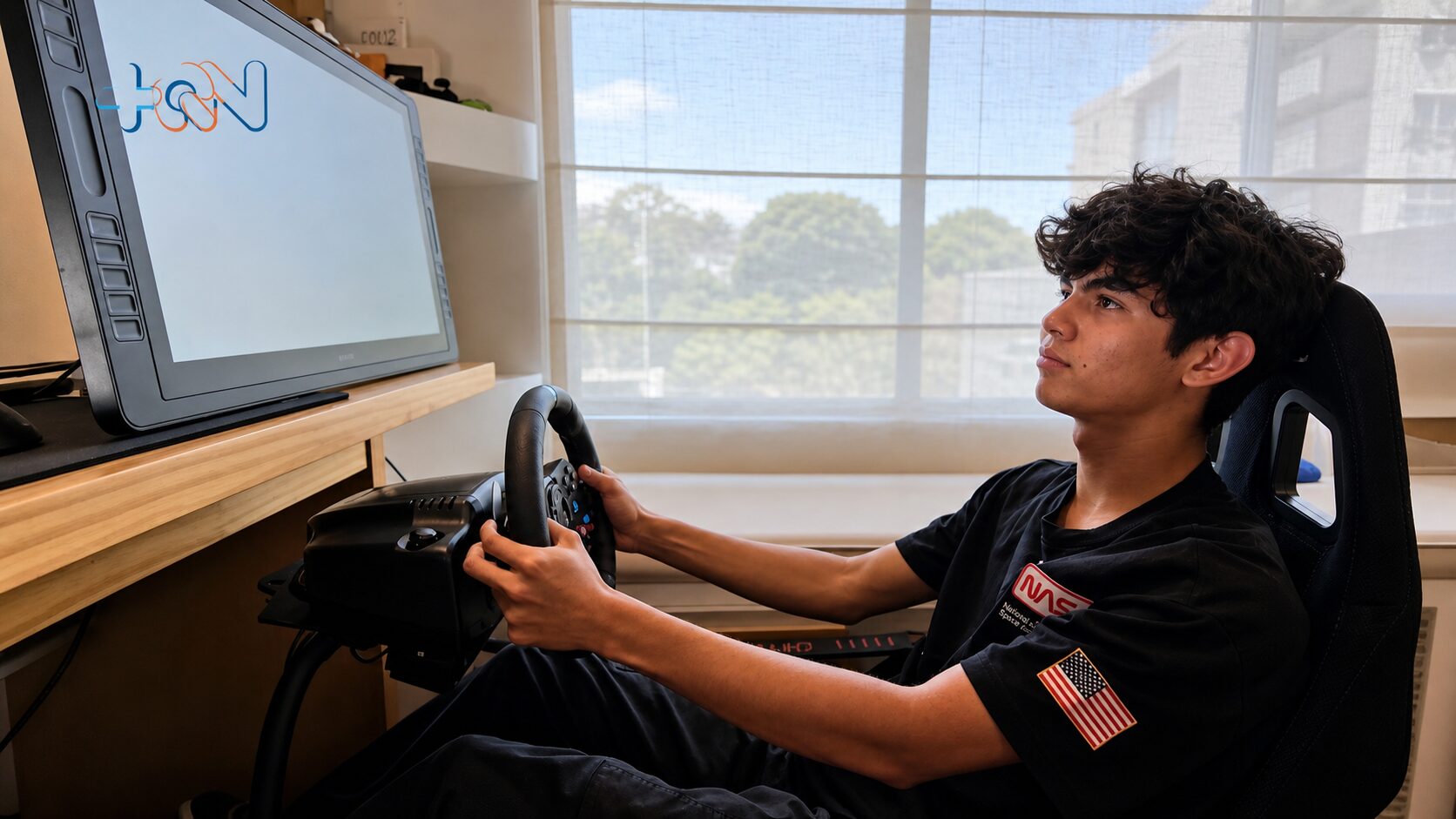
- Racing is a really tough sport mentally. It’s just you and yourself. Individual sports are hard that way you’re dealing with a lot of frustration and negative emotions directed entirely at yourself. You have to be in a really good headspace to hit consistent lap times. If you make a mistake and go, I’m so bad, I suck, you’re not going to perform. You have to be able to focus on the result instead of just kicking yourself down.
- Once you know how to control those really elevated racing emotions, controlling normal life emotions just becomes easier. When I went skydiving and bungee jumping in South Africa, everyone was so scared, and I was just completely chilled. Because compared to the adrenaline of fighting for a national championship on the final lap, with a whole year’s work riding on it? Jumping out of a plane felt like nothing. That perspective just transfers into everything. Something goes wrong and I think, I’ve been through worse. That’s been really useful in college and in the internship.
Can you share an example of how your gap year experience aided your personal growth?
The biggest thing for me was learning to just be with myself. During the beach patrol especially, no WiFi, no service, no anything, I had to learn to be happy in my own company. That’s something that really grew during the gap year. Here at college, everyone feels this pressure: oh, I have to go out every night, I have to be at every party. I get the FOMO. But I can also genuinely enjoy time just being in my dorm, or going out for a walk on my own. Learning that during a gap year was really essential for me now. And as someone from Costa Rica coming to college in the U.S., I also had questions in the back of my mind is my English good enough? Will I be able to connect with Americans? VACorps answered that completely. Living with other interns, navigating a foreign city, making friends from all over the world by the time I got to Colorado, I just walked in feeling ready. More ready than I would have been if I’d come straight from high school, for sure.
What’s the single most important piece of advice you’d give to someone considering a gap year?
Have a plan. It doesn’t need to be a schedule for every single week, but have a clear goal that guides everything else. For me it was: I’m going to train a certain number of days a week, I’m going to race every race, I’m going to focus entirely on the championship. That goal guided every decision I made. The VACorps internship, the beach patrol, the travel, those were additions around that anchor. That’s why I didn’t waste the year.
I’ve seen people take a gap year and just drift. That’s really sad to see, because the potential is enormous, it can just slip away if you don’t use your time intentionally. Have something to guide you. And if you do that, the gap year will give you more than you expect.
And to anyone worried about falling behind, I don’t feel like there has been a single downside to taking my gap year. I’ve met so many people at college that I would never have known if I’d gone straight from high school. Some of my closest friends here are juniors and seniors. You don’t fall behind. You just arrive with more to bring.
PS — CIRENAS is the sea turtle conservation organization Eduardo worked with in Santa Teresa, Costa Rica. And if you want to hear the full conversation, listen to Eduardo’s episode of Gap Year Radio here.

VACorps Alumni Interview - Attia Qureshi
Sophia Caputo joined the VACorps program in 2019, and we were thrilled to reconnect with her in Cape Town when she stopped by the office en route to supporting her NGO in Mozambique. Since interning with a business accelerator in Cape Town, she has built a remarkable global career and shares her inspiring story in the interview below.
Read more
VACorps Alumni Interview - Eduardo Glen Vasco
Eduardo Glenn joined the VACorps program in January 2025, and we were excited to share his story with you. Growing up in Costa Rica as a competitive racing driver, Eduardo made the deliberate choice to take a gap year before starting college in the United States and what he packed into that year is remarkable.
Read more
VACorps Alumni Interview - Sophia Caputo
Sophia Caputo joined the VACorps program in 2019, and we were thrilled to reconnect with her in Cape Town when she stopped by the office en route to supporting her NGO in Mozambique. Since interning with a business accelerator in Cape Town, she has built a remarkable global career and shares her inspiring story in the interview below.
Read more
VAC Quarterly Newsletter - January 2025
Staying Connected: The Latest Updates from VAC in South Africa: As we move through the first quarter of 2025, we’re excited to relaunch the VAC newsletter and reconnect with our global community.
Read more
VACorps Alumni Interview - Mayuri Reddy
Mayuri Reddy joined the VACorps program in 2011 for a marketing and advertising internship in Cape Town. Fourteen years later, we were delighted to catch up with her to hear about her life and career since then.
Read more
Pre-Arrival Information for the VAC GAP Program
Preparing for your VAC GAP program in Cape Town is the key to making the most of this transformative experience.
Read more
What Program Participants Love Most About VAC: Testimonials and Experiences
Discover what makes the VAC Internship Program in Cape Town truly special, as told by the program participants themselves.
Read more
Navigating Cape Town's public transport
Cape Town offers a diverse public transport network, but navigating it can be challenging for visitors.
Read more
A guide to Cape Town's culinary scene
Cape Town's food scene bursts with flavor, reflecting its multicultural heritage and status as a global culinary destination.
Read more
Exploring South Africa: A Land of diversity, challenges, and opportunities
South Africa, a nation of striking contrasts and vibrant cultures...
Read more